If you want an easy, relaxed way to gather friends and family, a classic dinner party is hard to beat. It’s a wonderful way to celebrate small moments without fuss. Below are practical, friendly tips for planning an intimate dinner at home—covering budgeting, timelines, menu ideas, table setting, and atmosphere—to help you host a cozy, stress-free evening.
There are two things I believe: that Fast Times at Ridgemont High is peak 80s cinema, and that everyone should know how to host a good dinner party. Dinner parties often get labeled as fussy and formal, but they don’t need to be. For me, a dinner party can be anything from pizza on the floor with roommates to a themed night with friends—what matters is the company.
My approach is flexible and low-pressure. Whether you want to keep things casual or lean into a small celebration, a little planning goes a long way toward making the evening enjoyable for you and your guests.
The timeline
You don’t need a rigid schedule, but a simple timeline removes last-minute stress and helps you actually enjoy the evening. Here’s a practical framework that leaves time for last-minute touch-ups and a glass of wine before guests arrive.
| 2–4 weeks before | Set your budget; finalize the guest list; send invites; plan the menu. |
| 2–3 days before | Make a grocery list; shop for food; pick up drinks and ice; choose serving dishes and utensils. |
| The day before | Set the table; chill drinks; make any dishes that can be prepared ahead. |
| 2–3 hours before | Tidy the house; clean bathrooms; prep ingredients for last-minute cooking. |
| 1–2 hours before | Cook remaining dishes; clear and tidy the kitchen. |
| 15 minutes before | Turn on music; arrange appetizers and drinks. |
Set a budget
Decide how much you want to spend before you start planning. A budget helps you choose the guest list, menu, drinks, and decor. If money is tight, opt for an affordable menu like pasta or tacos and invite fewer people. A larger budget can allow for pricier mains or special drinks. Always set aside a little for beverages and a small, simple centerpiece if decor matters to you.
The guest list
For an intimate evening, smaller is better. Inviting 6–8 close friends or family members keeps preparation manageable and gives you more time to relax and socialize. A compact guest list helps the conversation flow and makes it easier to serve food without stress.
Send out invites
For a casual gathering, a group text usually does the job. If you prefer tracking RSVPs more formally, a simple digital invitation works well. Keep the message clear—date, time, location, and any notes about dietary restrictions or what to bring.
Pick a theme
You don’t need a theme to have a great dinner party—sometimes keeping things unthemed keeps the pressure off. If you do choose a theme, let it guide the menu and decor: a garden party, wine-and-cheese night, or regional menus like Italian or Greek can be fun and straightforward to execute.
- Italian: antipasto, pasta, salad, tiramisu.
- Greek: meze platter, lemon chicken, Greek salad, baklava.
- Steak night: steaks, mashed potatoes, roasted vegetables, crème brûlée.
Choose the setting
Don’t feel limited to the dining room. The backyard, patio, or even a rearranged living room can create a comfortable, memorable setting. For small spaces, allow guests to move between areas so everyone feels relaxed and there’s room to spread out.
Decor & ambience
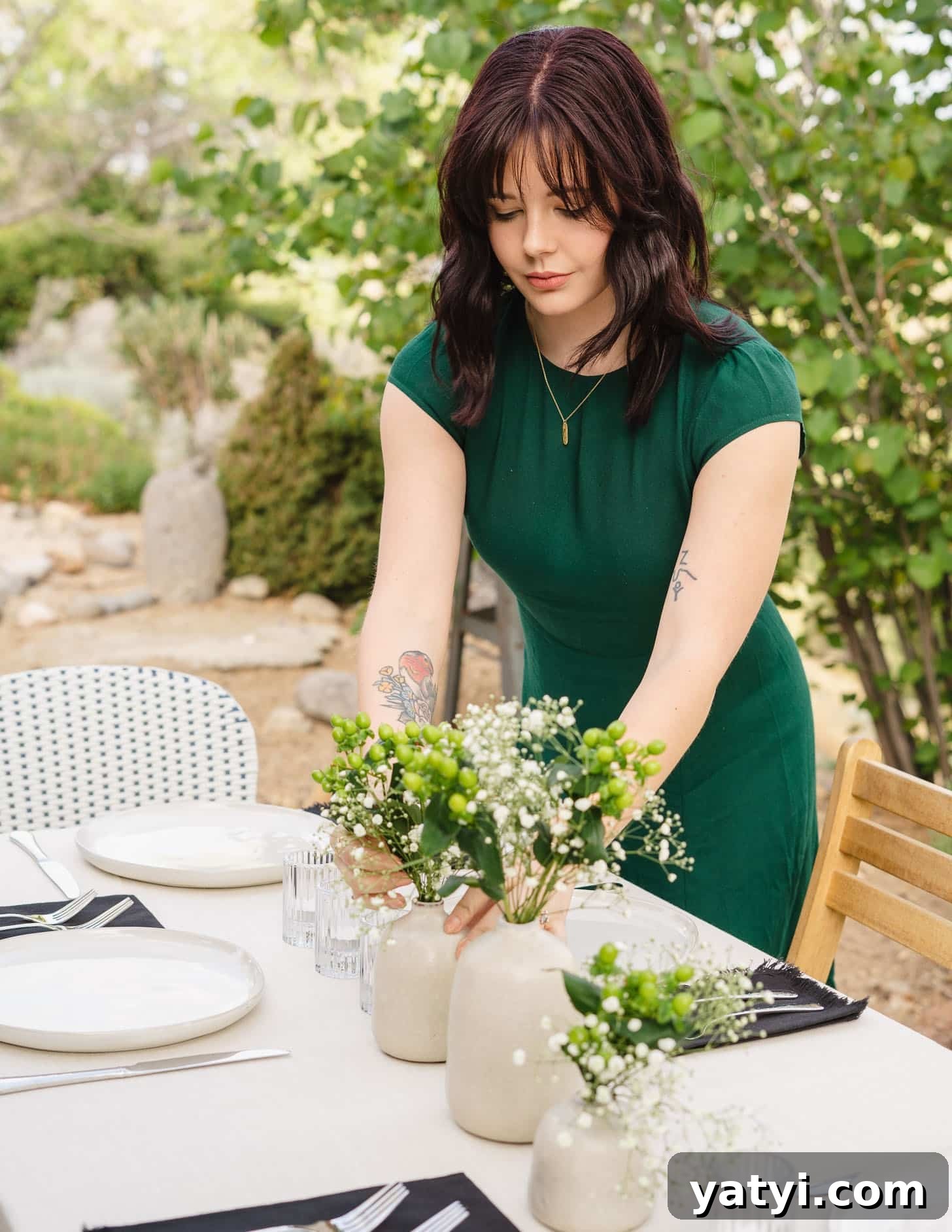
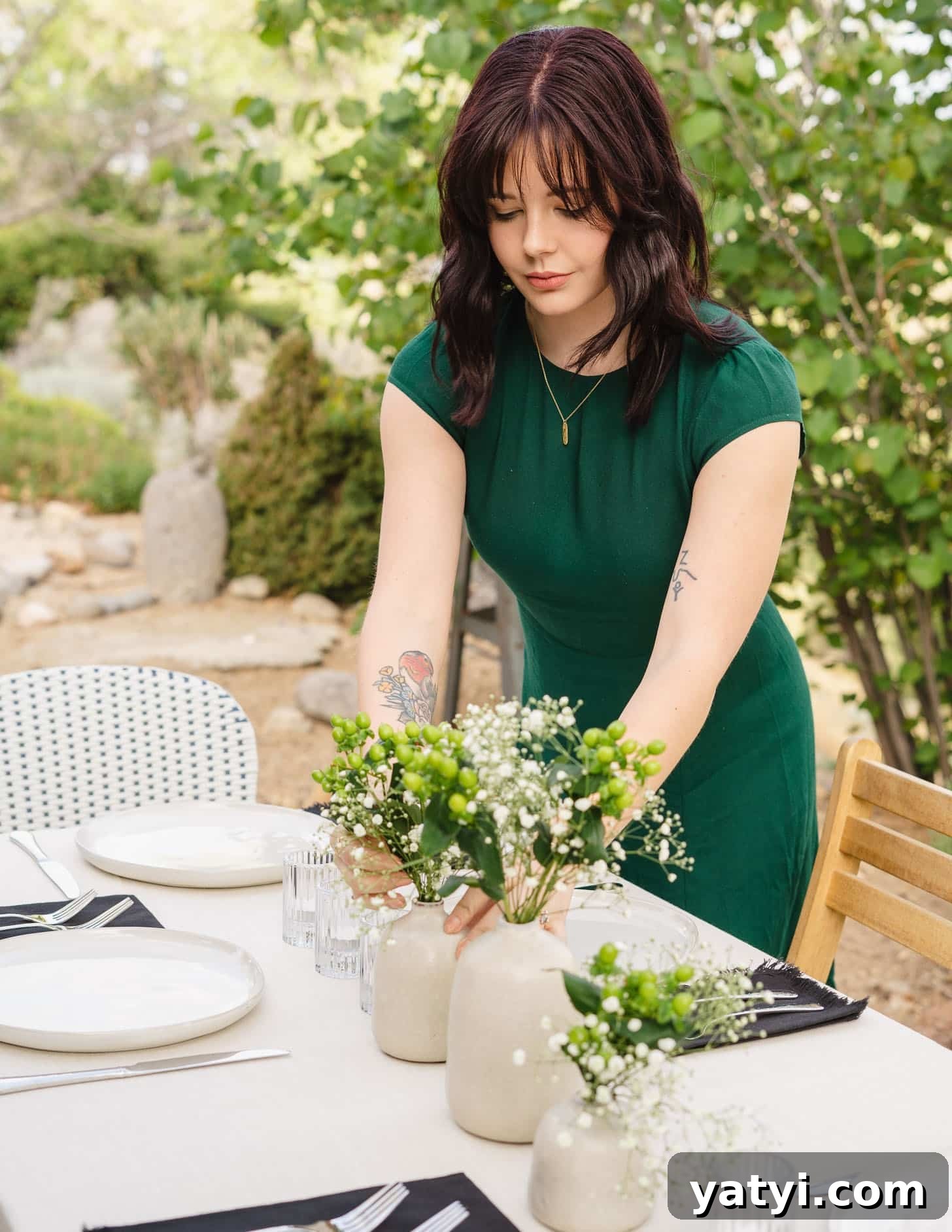
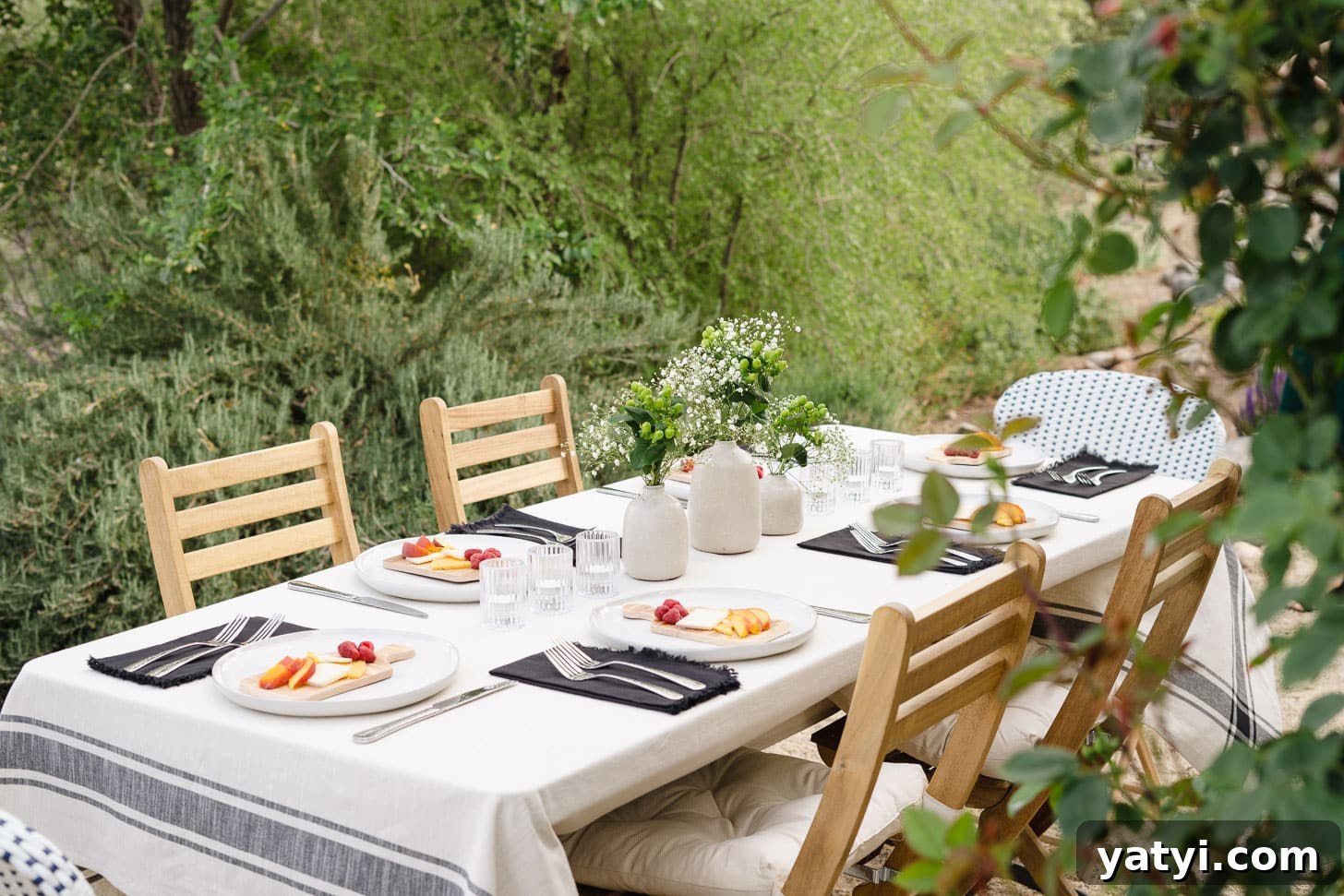
Keep decor simple and quick. A small bouquet, a few votive candles, and calm background music will create a warm atmosphere without a lot of work. Decide whether you’re serving family-style or buffet; family-style encourages conversation and looks effortlessly inviting on the table.
For a casual table, ensure you have the basics: dinner, salad, and dessert plates; appropriate utensils; wine and water glasses; and napkins—linen or paper. Your goal is comfort and functionality, not perfection.
Create the menu
Choose a menu that balances make-ahead items with a couple of fresh dishes so you can enjoy the evening. A reliable formula is one appetizer, one main, one side, and one dessert. Pick crowd-pleasing, simple recipes that scale to 6–8 people and consider a pitcher cocktail if you want a signature drink.
The appetizers
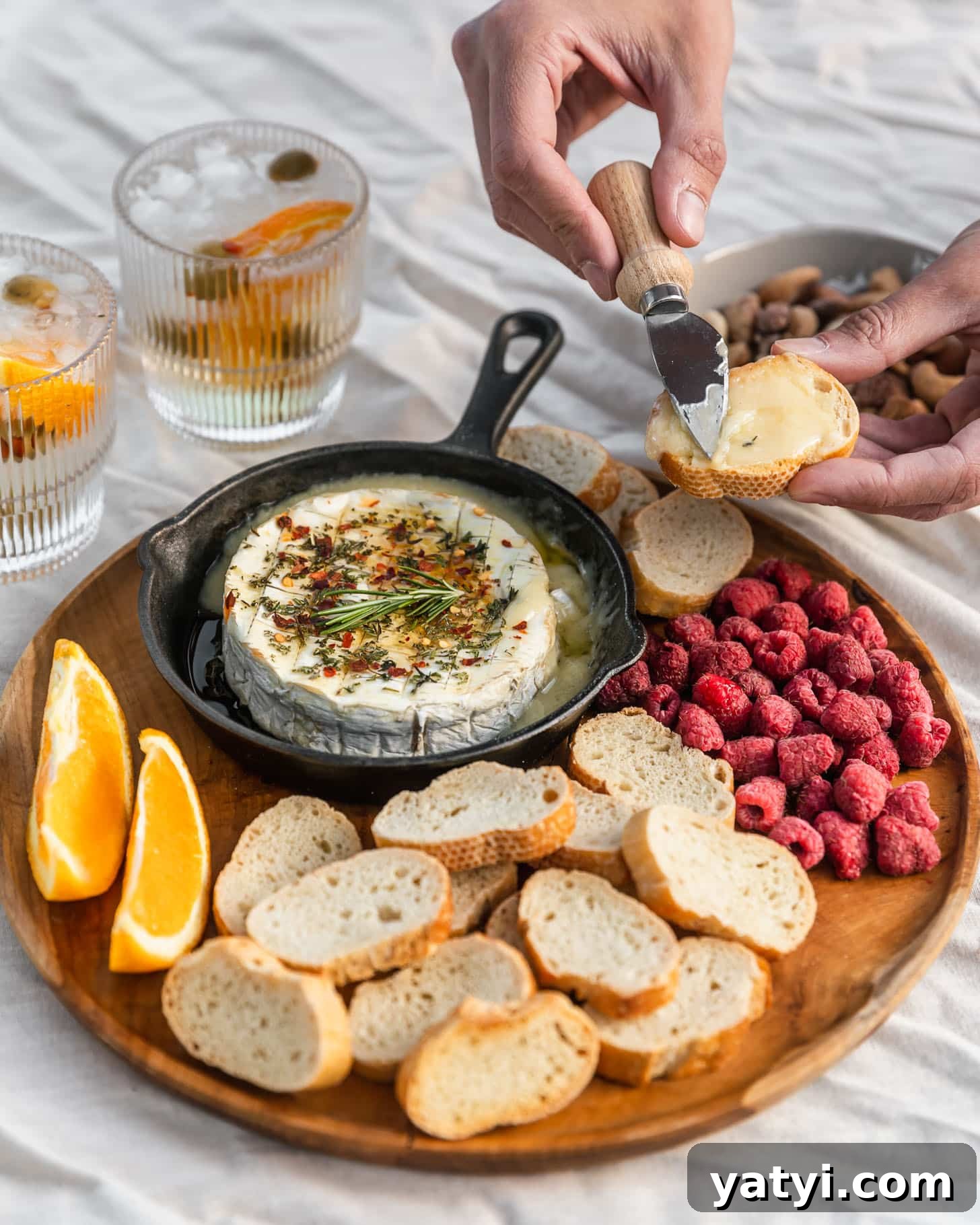
- Cranberry orange cheese balls
- Spicy deviled eggs with crispy shallots
- Fried burrata with roasted peppers & pesto
- Pigs in a blanket with everything seasoning
- Savory palmiers with parmesan & everything spice
Main course ideas
- Creamy Tuscan chicken and orzo skillet
- Sicilian-style pizza
- Apple pork chops with bourbon & sage
- White lasagna with pesto & pancetta
- Beef stroganoff with shallots & brandy
Side dishes
- Hot honey Brussels sprouts
- Lemony green beans with pine nuts & garlic
- Charred broccoli with breadcrumbs & pecorino
- Cheddar mashed potatoes with rosemary
- Raw carrot salad with shallot dressing
Crowd-pleasing desserts
- Mascarpone cheesecake with orange & amaretto
- Malted chocolate cake with peanut butter frosting
- Chewy coffee cookies
- Caramel apple pie with brown butter crust
- Brown butter cereal treats with pretzels & chocolate
Super easy cocktails
- Rosé sangria with berries & lemon
- Blueberry lemon vodka spritz
- Cadillac cranberry margaritas
- Sour Spaghett cocktails
- Orange Dirty Shirley cocktails

Personalize the menu
Ask guests about allergies and dietary preferences in advance so you can accommodate them without extra stress. A good strategy is to prepare a vegetarian main and offer an optional protein on the side, or choose dishes that are easy to adapt so everyone feels included.
Lastly, relax & have fun
The point of hosting is to spend time with people you care about, not to hide in the kitchen. Step away from the stove when you can, pour a drink, and enjoy the conversation. A few minutes’ delay in dinner won’t spoil the night—memories and laughter matter more than perfect timing.