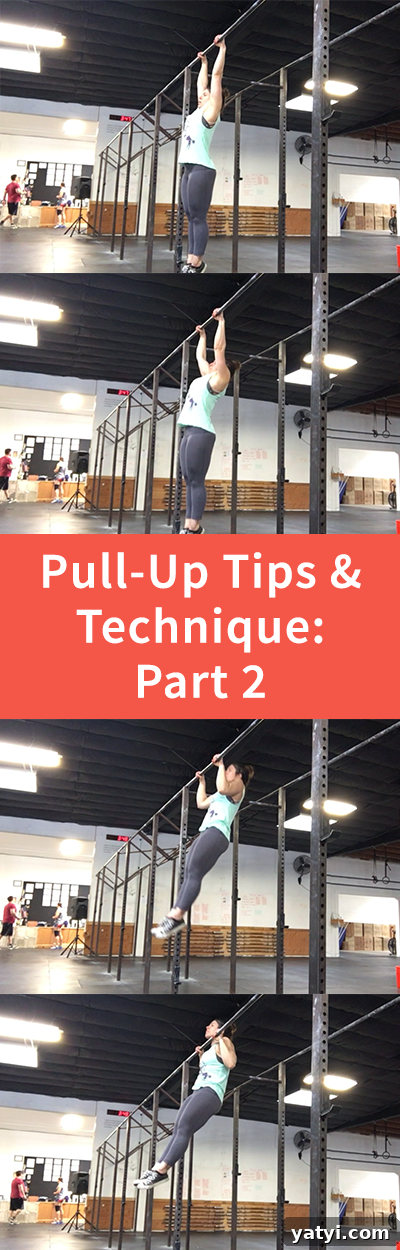
These pull-up tips and technique pointers will help you achieve your first pull-up.
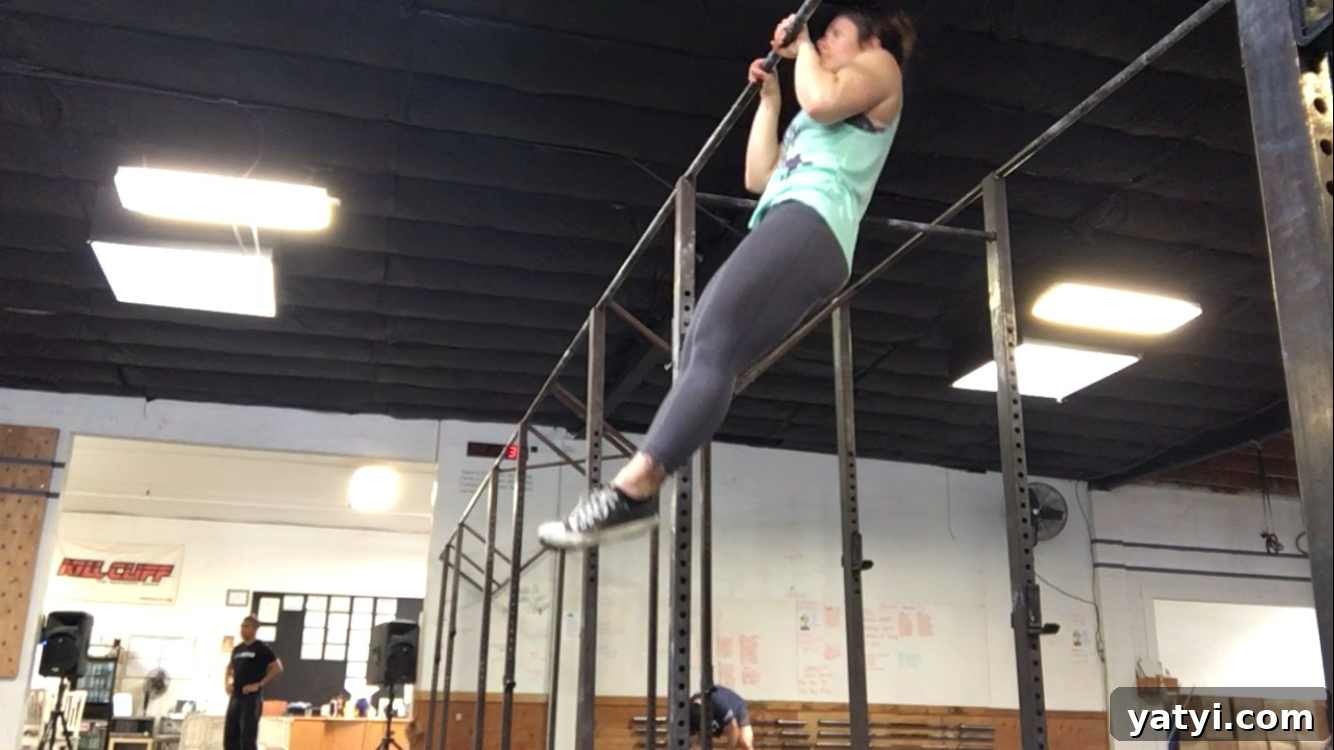
In Part 2 of this pull-up series, I explain the finer points of technique that make getting your chin over the bar easier and safer.
If you haven’t already, read the first installment, which covers drills to practice holding a hollow body position and other foundational work.
How to Do a Pull-Up: Part 1
Be on the lookout for Part 3, which will cover assisted variations and accessory exercises to help you reach your first unassisted pull-up.
Pretty Ugly
I mentioned this in Part 1, and it’s worth repeating: anyone can perform “ugly” pull-ups with broken body positions. They’re not impossible—thousands are done every day.
Ugly pull-ups still work muscles and can build strength. But if you’re a beginner chasing that first chin-over-bar moment, refining your technique makes the movement more efficient and therefore easier.
Good form also keeps joints moving through safer ranges of motion and lowers injury risk, which means fewer setbacks as you train.
So aim for solid, controlled movement. Let’s break technique down piece by piece.
Pull-Up Tips & Techniques for Women
Hand Position
Always avoid movements that cause pain; you know your body best.
Your hands are the only contact point with the bar, so grip style and width are critical. Start by considering hand position.
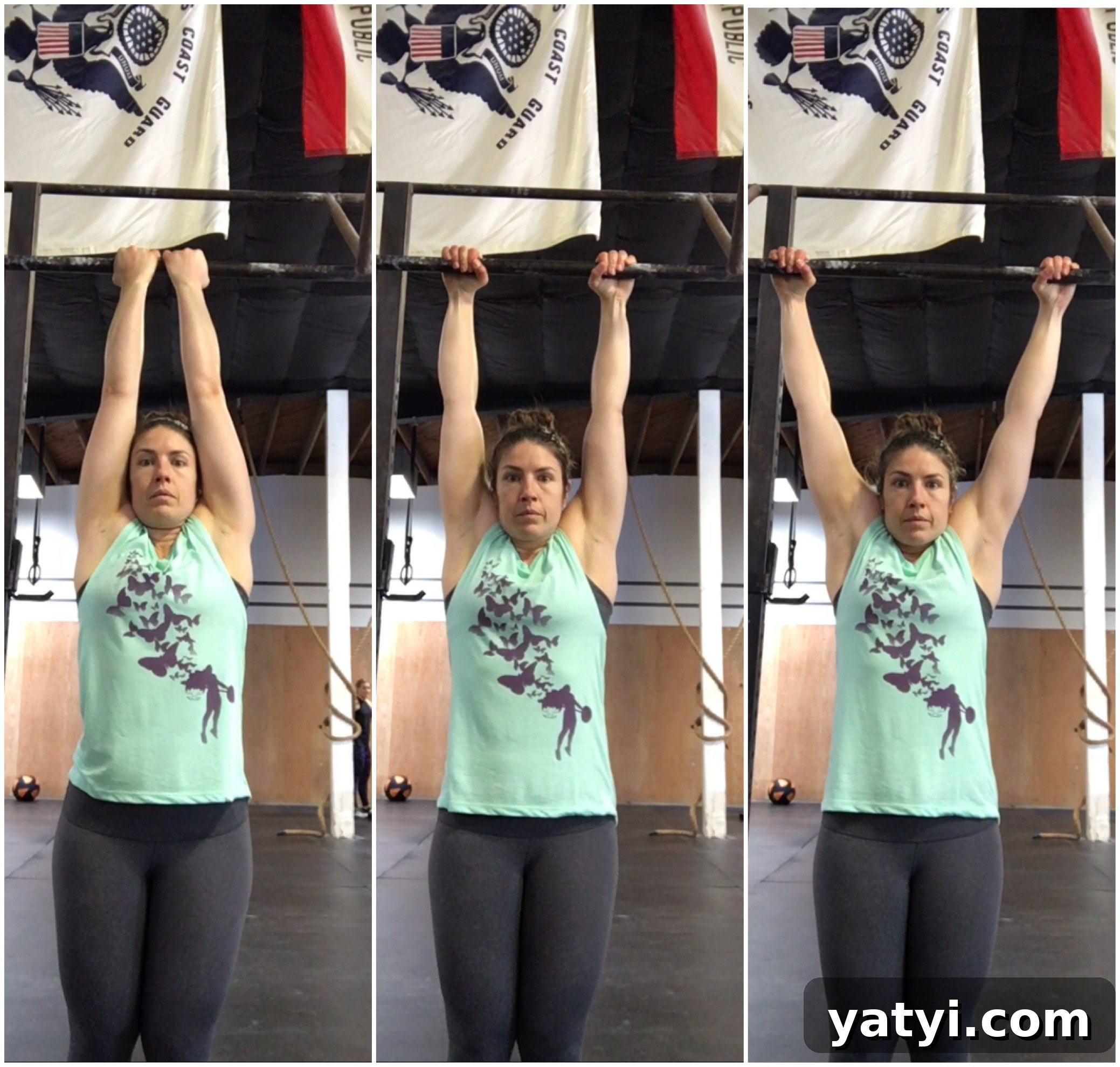
Palms can face toward you (underhand, supinated, or chin-up grip). This grip allows more biceps recruitment and generally feels easier because it reduces lat involvement. If you’re working toward your first pull-up, begin with a narrow chin-up grip and widen your hands as you gain strength.
Palms can also face away from you (overhand, pronated, or pull-up grip). This orientation requires more latissimus dorsi involvement—the broad muscles across the mid-back. Many beginners either don’t yet know how to activate the lats effectively or haven’t developed sufficient strength, so the overhand grip is often harder initially.
You can also use a mixed grip (one hand supinated, one pronated). Some lifters use it, though I find it uncomfortable. It can be an option as you progress.
Knuckles On Top
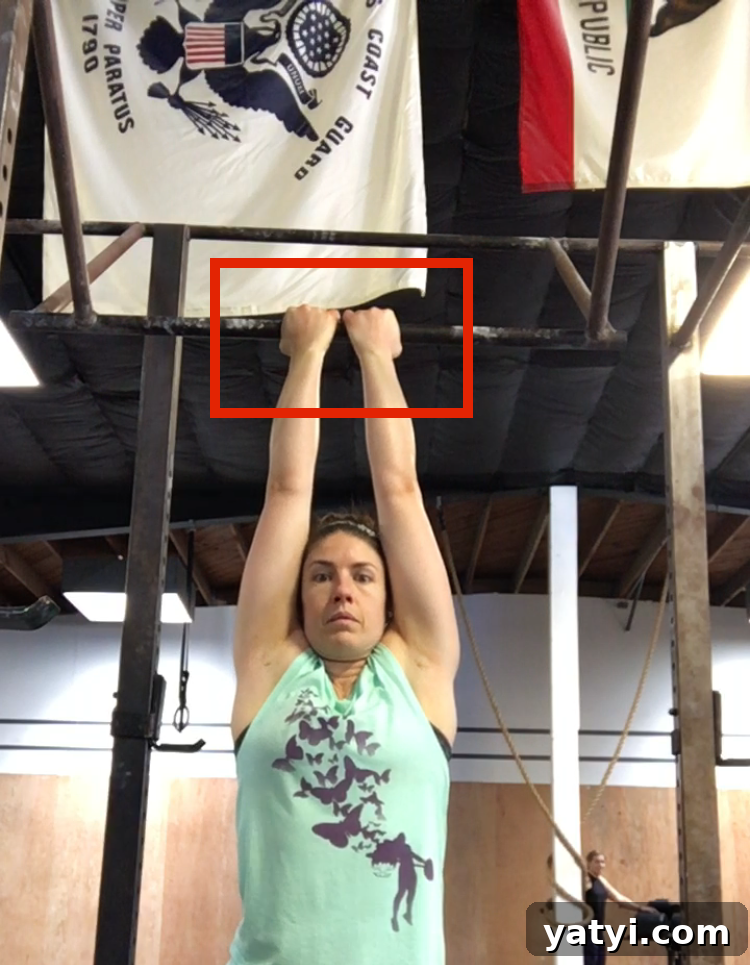
One of the most underused, yet effective adjustments is getting your knuckles on top of the bar. This tip comes from gymnastics coaching and is rooted in simple mechanics.
Key takeaway: getting your knuckles on top of the bar makes pull-ups easier.
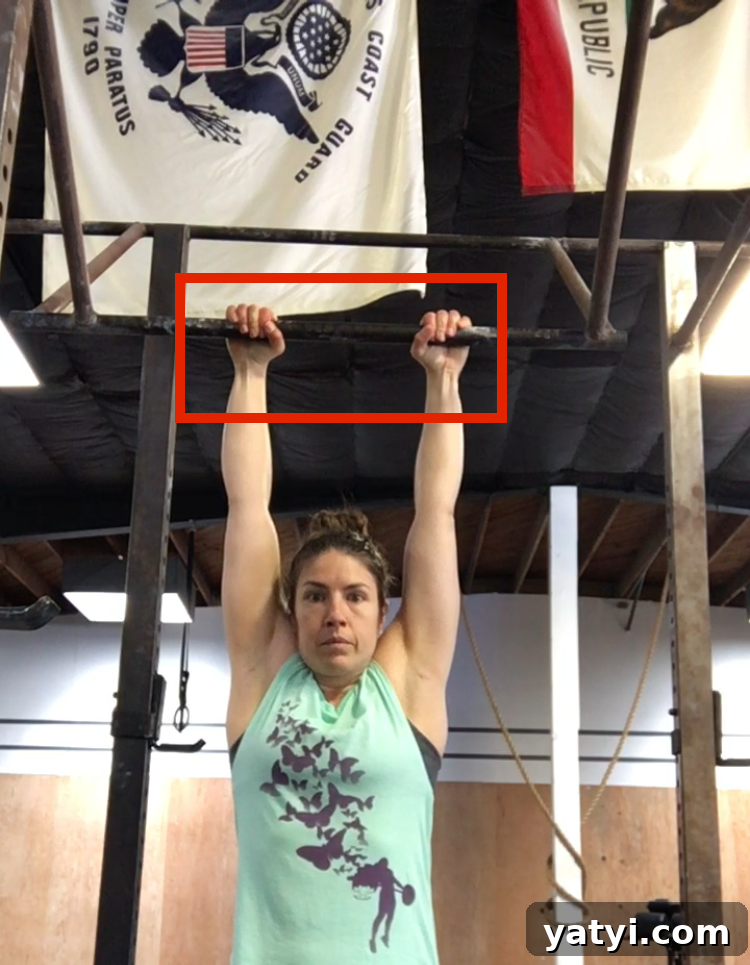
Placing your knuckles on top and wrapping the thumb over the index finger shortens the lever arm and helps you externally rotate the shoulder. That position makes it easier to generate torque, initiate the pull by drawing your shoulder blades down and together, and maintain a hollow body position with better tension.
If the bar is very thick and you can’t wrap your thumb, at least get your knuckles on top instead of hanging from your fingers. On a standard bar with average hands, there’s no reason not to wrap the thumb.
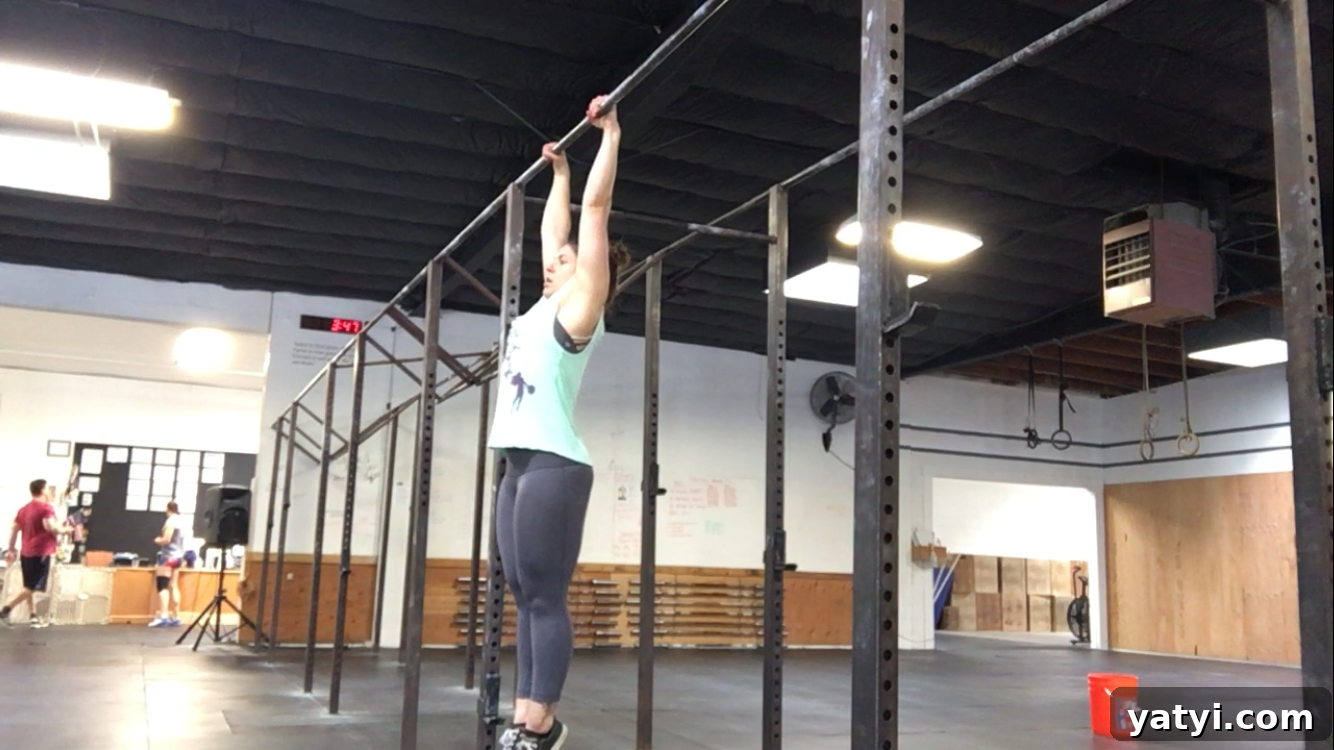
Compare that to hanging from your fingertips, which lengthens the lever arm and reduces shoulder torque, making the movement harder to start.
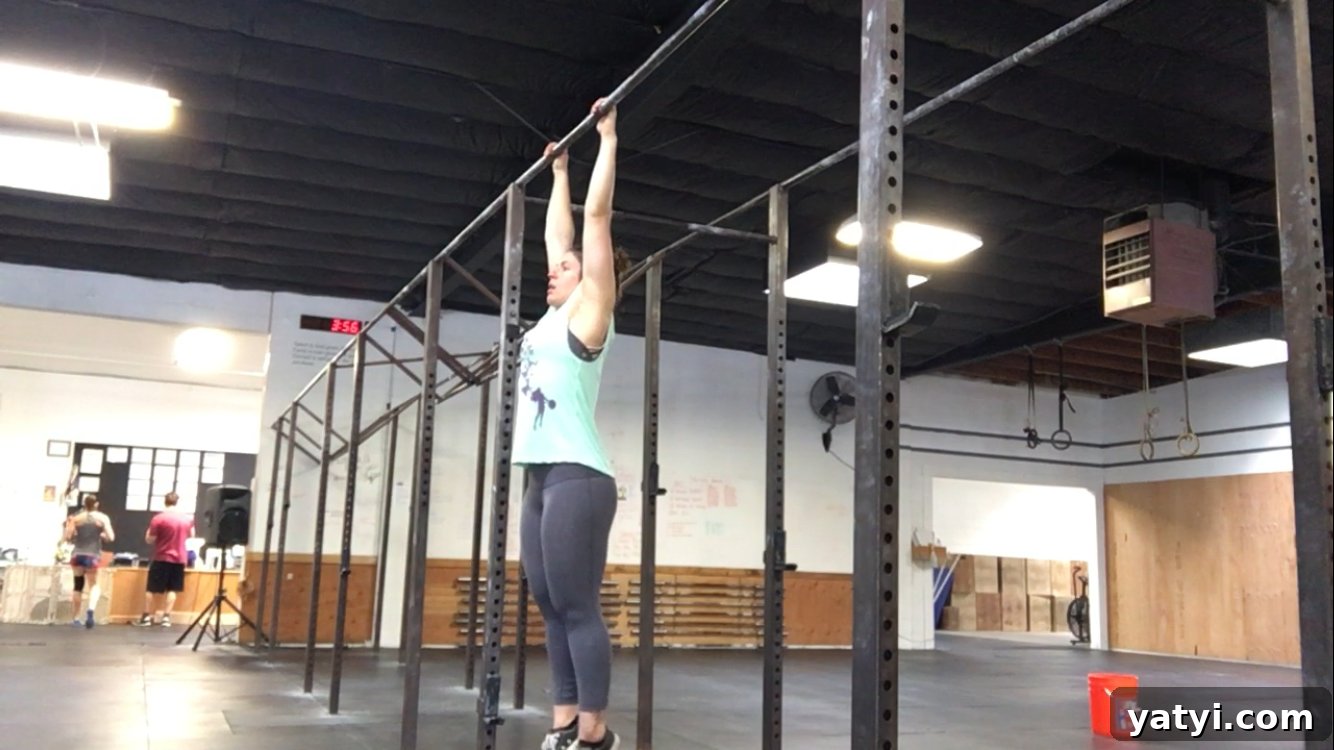
Try both positions and notice which allows you to maintain more overall body tension. Fingertip pull-ups are an advanced skill; they’re not necessary for beginners.
Grip Width
Grip width strongly affects difficulty. As a general rule, narrower grips are easier than wider ones. If you’re training your first pull-up, start with a narrow grip and gradually increase width.
Narrow, chin-up grip: start with hands close together in a supinated grip. As you improve, widen your hands toward neutral and then pronated grips.
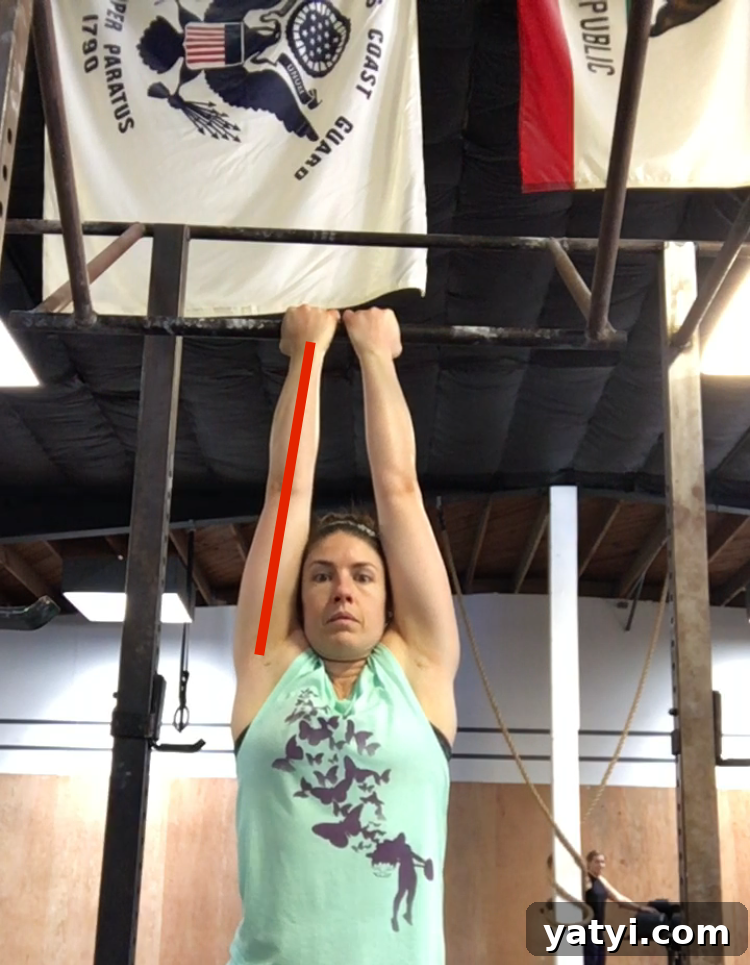
Neutral grip: when your arms are straight up and down, flip hands to a neutral or pronated orientation with knuckles over the bar and thumbs wrapped. From neutral you can emphasize the lower lats and reduce biceps demand.
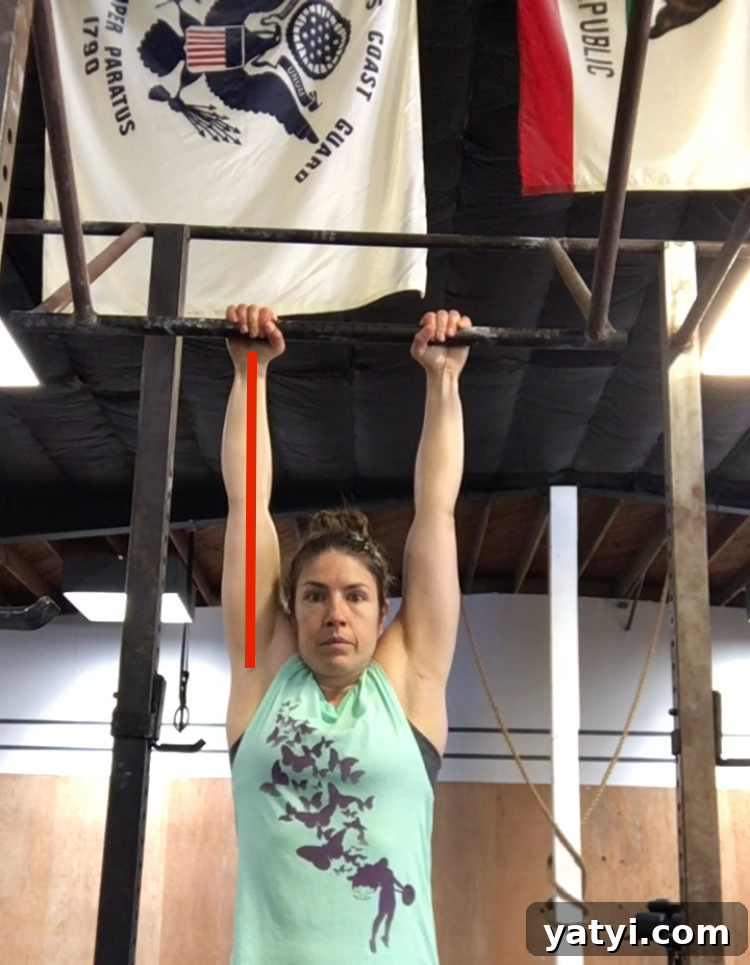
Wide grip: placing hands wider than neutral reduces the range of motion but dramatically increases upper lat demand. Beginners typically lack the lat strength to benefit from a very wide grip, so save wide grips for later or use them for static holds and negatives.
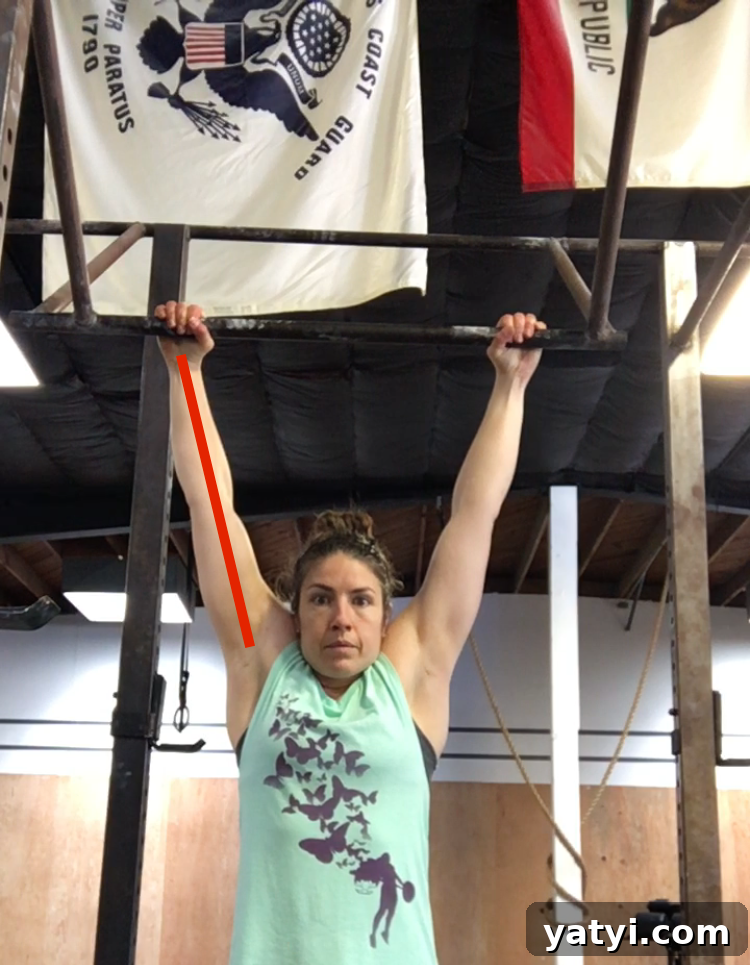
Wide-grip pull-ups look impressive and target the back differently, but they’re not ideal for most beginners focusing on their first successful pull-up.
Body Position
Body position is essential for efficient pull-ups. A tight, hollow-body alignment with full-body tension makes the exercise feel lighter and safer. If your hips, knees, or neck break and you’re loose through the midline, the movement will feel heavier and less controlled.
Here’s a step-by-step breakdown:
1) Start in a neutral grip with knuckles on top of the bar and thumbs wrapped when possible. Take a deep breath, squeeze your glutes, brace your core, keep the neck neutral, point your toes, and press your legs together.
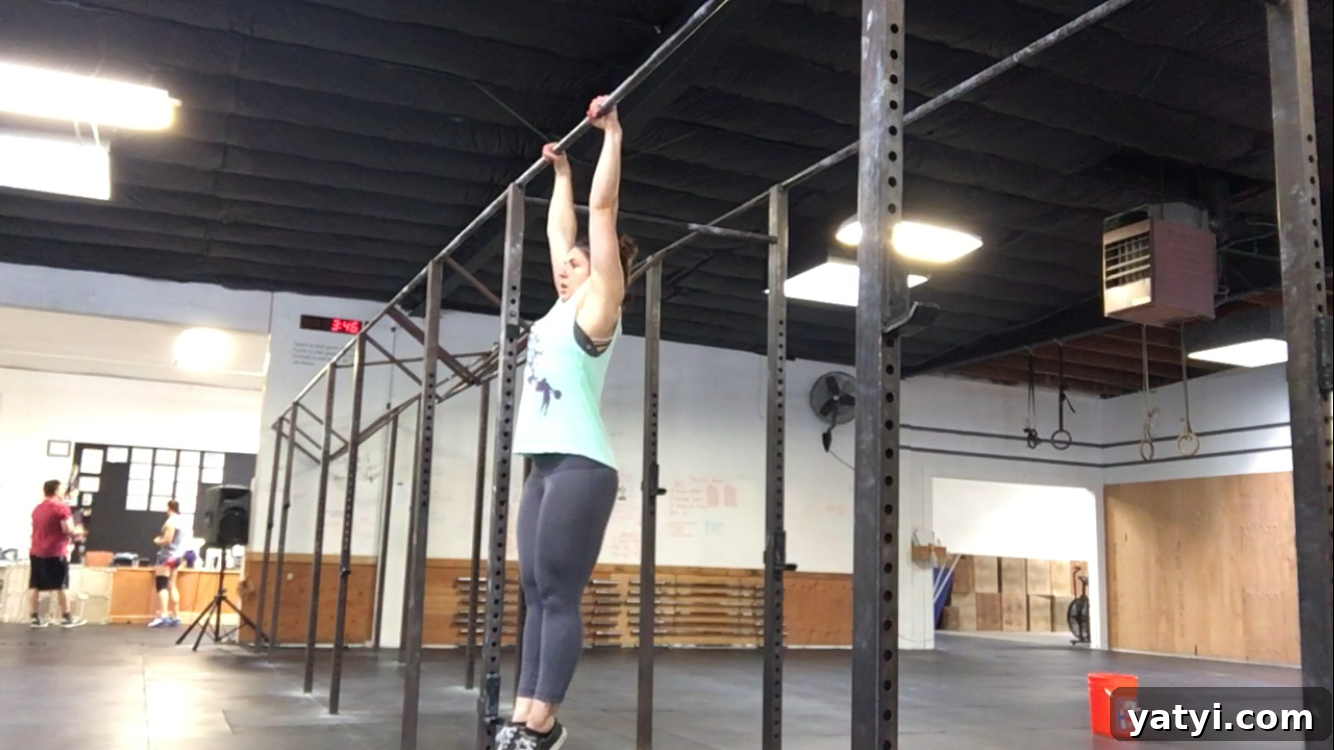
2) Initiate the pull by drawing your shoulder blades down and together. Your upper body will naturally lean back slightly as you start to move.
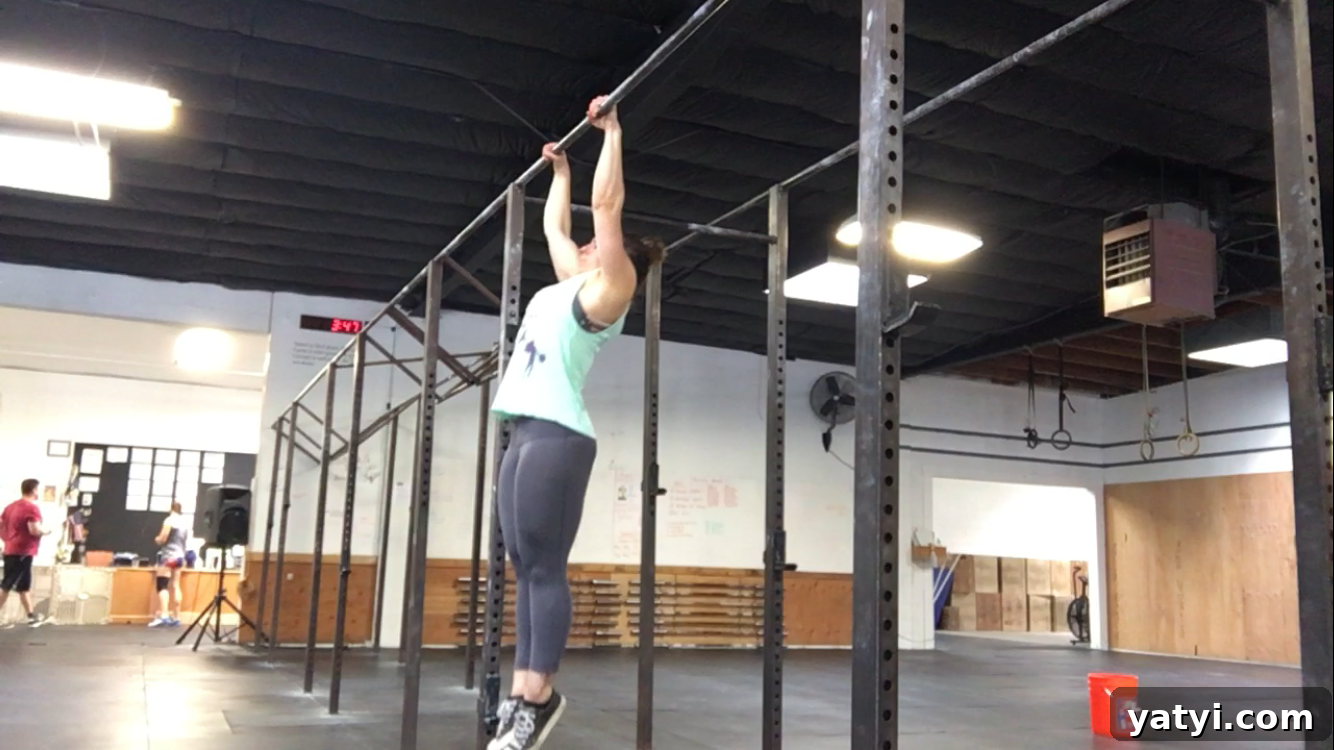
3) Continue pulling while keeping your elbows close to your body. Your feet will shift forward slightly to counterbalance, toes pointed, and your glutes engaged to protect the lower back from hyperextension.
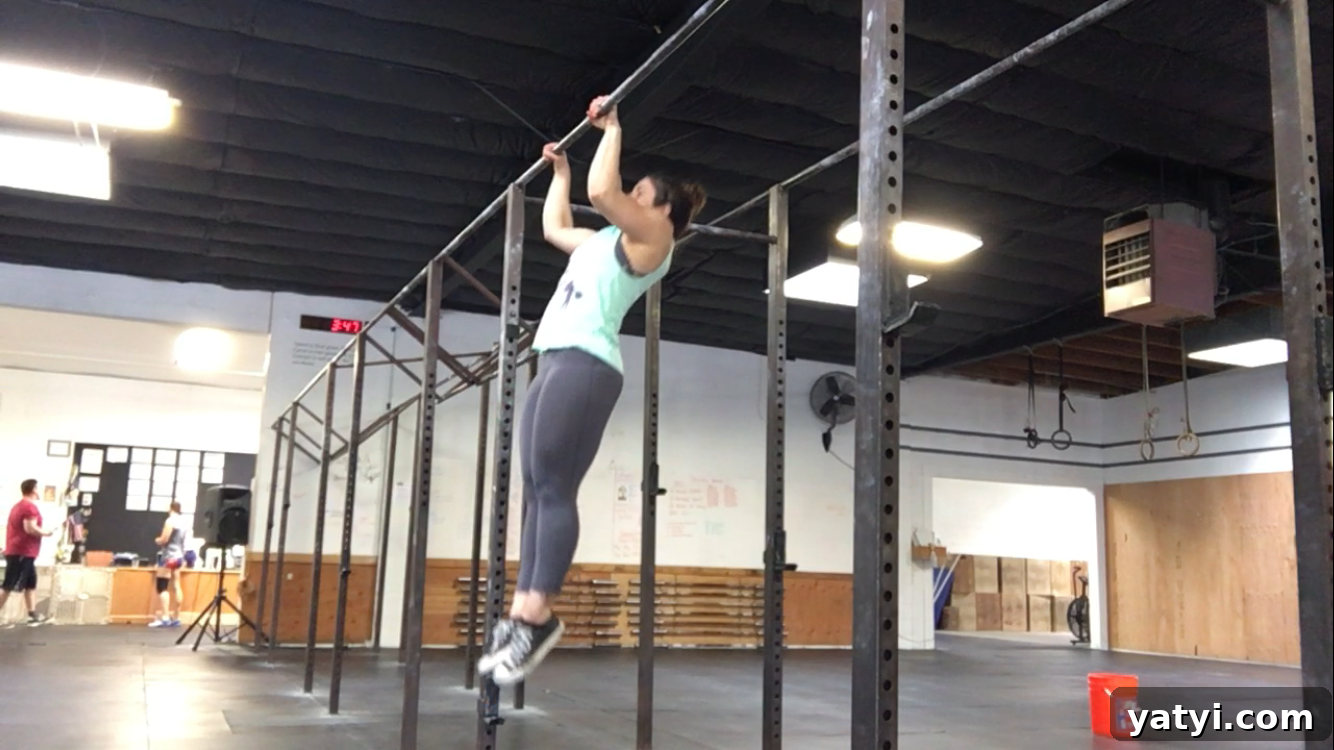
4) Maintain a solid hollow or plank-like posture with the chin neutral and no collapsing at the neck, hips, or knees.
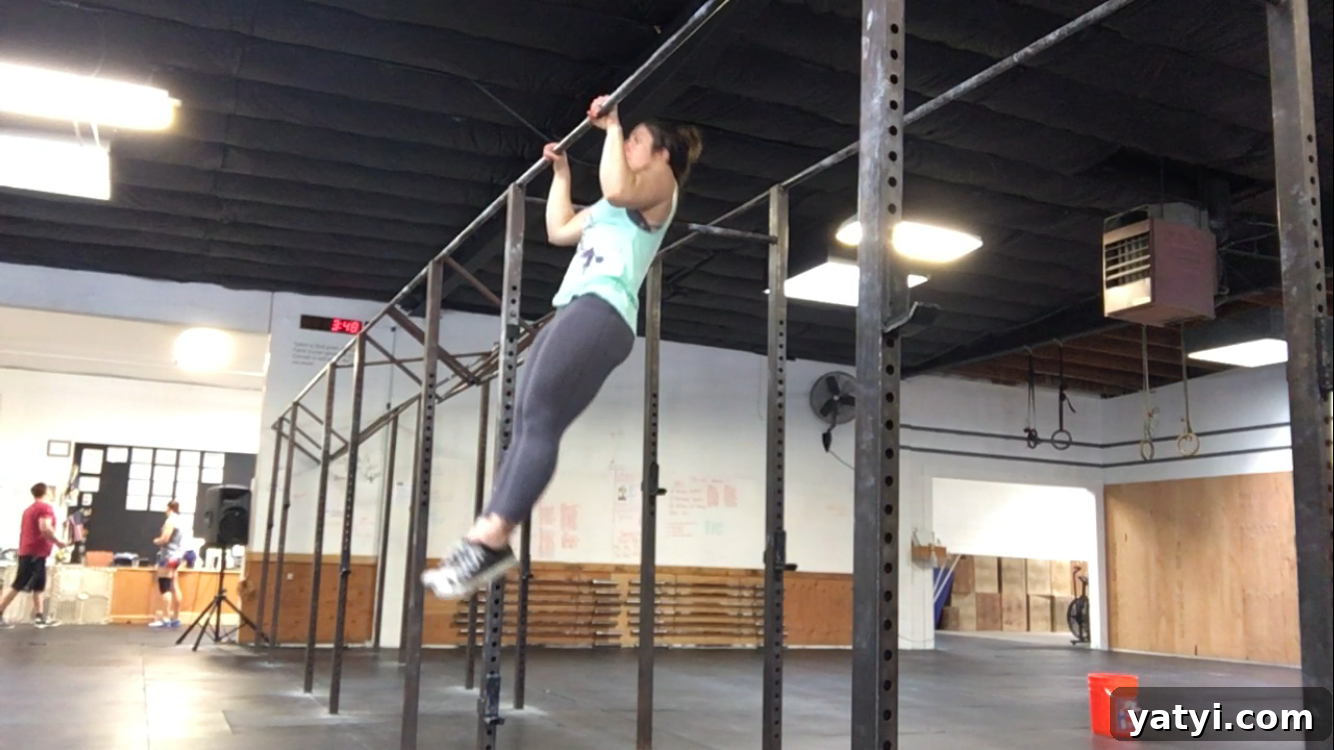
5) Finish with the chin over the bar while holding the hollow position and keeping the elbows close in.
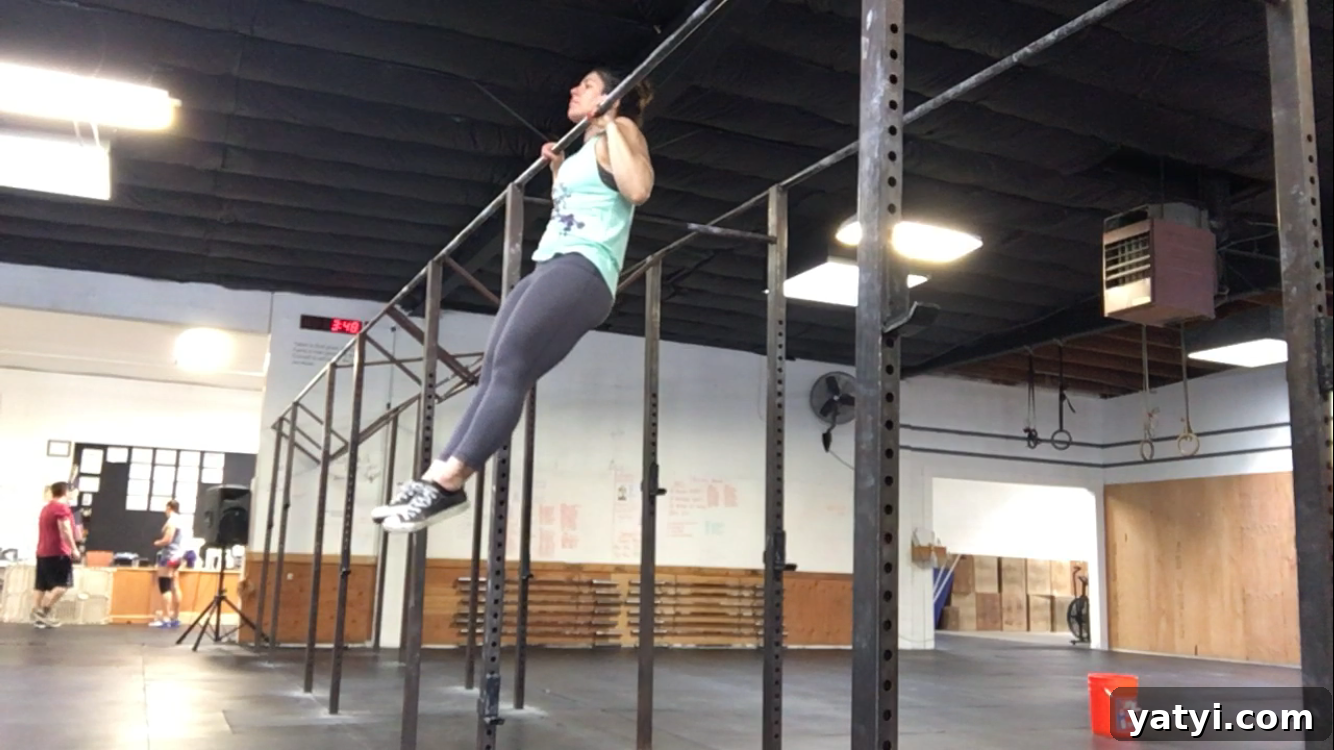
Watch the full motion a few times to identify these cues in real time. Observing proper technique helps your brain learn the pattern and primes the muscles through mirror-neuron activation—so study good form.
To Summarize Pull-Up Techniques for Women
These key tips will help you perform a more efficient, controlled first pull-up and give you a framework to troubleshoot progress.
Part 2 covered:
- Grip position — underhand/supinated (chin-up) vs. overhand/pronated (pull-up) vs. mixed
- Grip width — narrow (easier) vs. neutral vs. wide (harder, more lat-focused)
- Knuckle position — place knuckles on top of the bar and wrap thumbs when possible
- Body position — maintain a hollow-body tension, keep elbows close, and avoid breaking at the neck, hips, or knees
All of these details influence the mechanics of achieving your first pull-up with minimal struggle. Review Part 1 for drills to develop hollow-body strength, and expect Part 3 for accessory work and progression strategies.
Pin this Pull-Ups Tips & Technique Tutorial For Later