Greek Easter traditions are rooted in the Greek Orthodox Church and observed with enthusiasm across families and communities. From the 40 days of Lent to the rituals of Holy Week and the joyful gatherings on Easter Sunday, a variety of customs and foods mark this important period. Below are some of the most enduring and heartwarming Greek Orthodox Easter traditions that continue to be practiced today.

As a Greek-Australian, I have the chance to experience Easter traditions from both Western and Greek Orthodox perspectives. One weekend brings chocolate eggs and hot cross buns common in Western customs, and the following week is devoted to the full, rich observance of Greek Orthodox Easter. Living between these traditions gives a clear view of how rituals adapt over time while preserving their core meaning.
Orthodox Easter dates
Did you know?
Orthodox Easter is calculated using the Julian calendar, so it often falls on a different date than Western Easter, which follows the Gregorian calendar.
Greek Easter 2025
In 2025, Greek Orthodox Easter falls on Sunday, 20 April.
Lent and Clean Monday
The Greek Easter season officially begins with Clean Monday (Καθαρά Δευτέρα), which marks the start of the 40-day Lenten fast. Despite the association with restraint, Clean Monday is often celebrated with special foods and family outings.
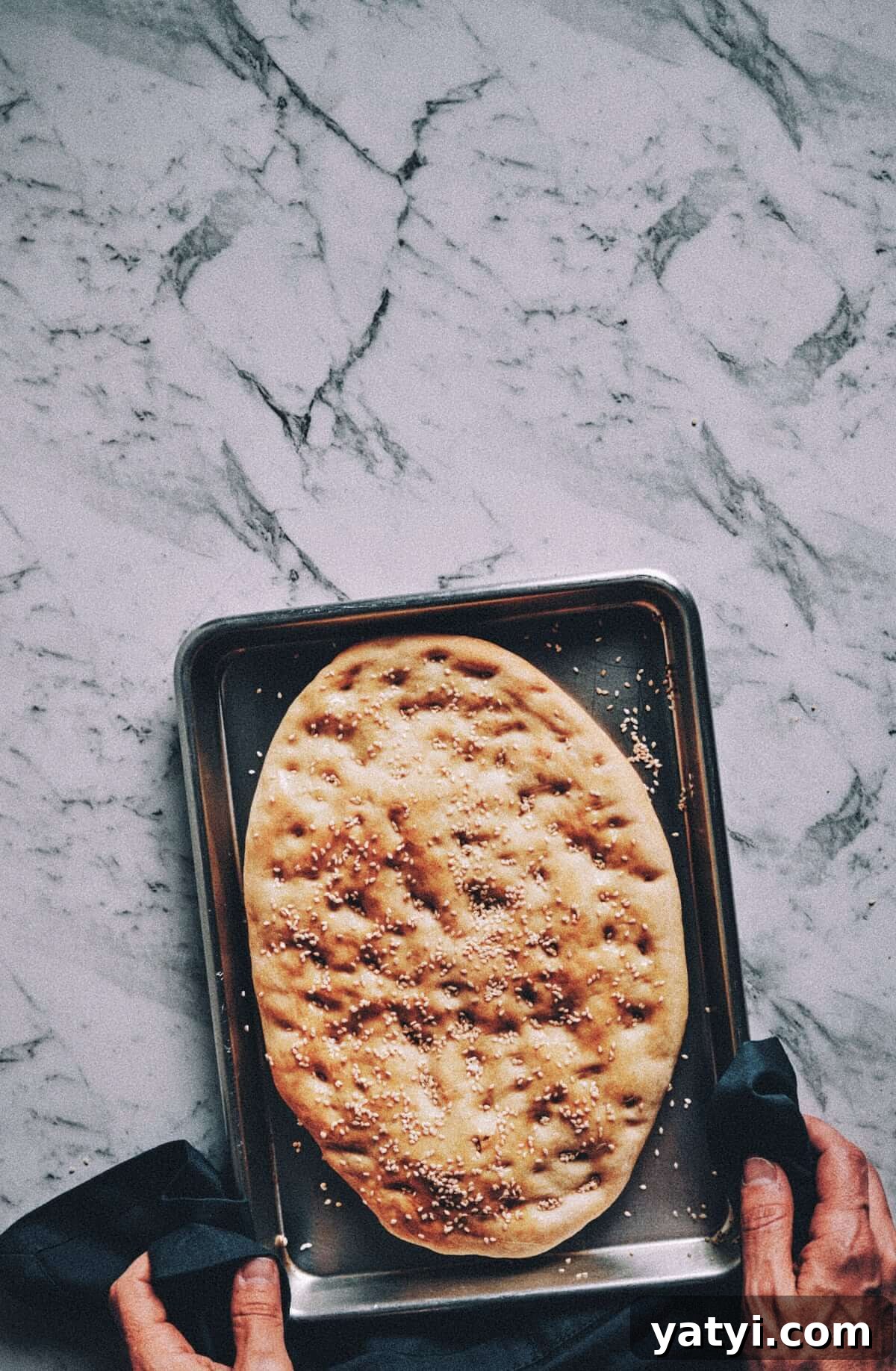
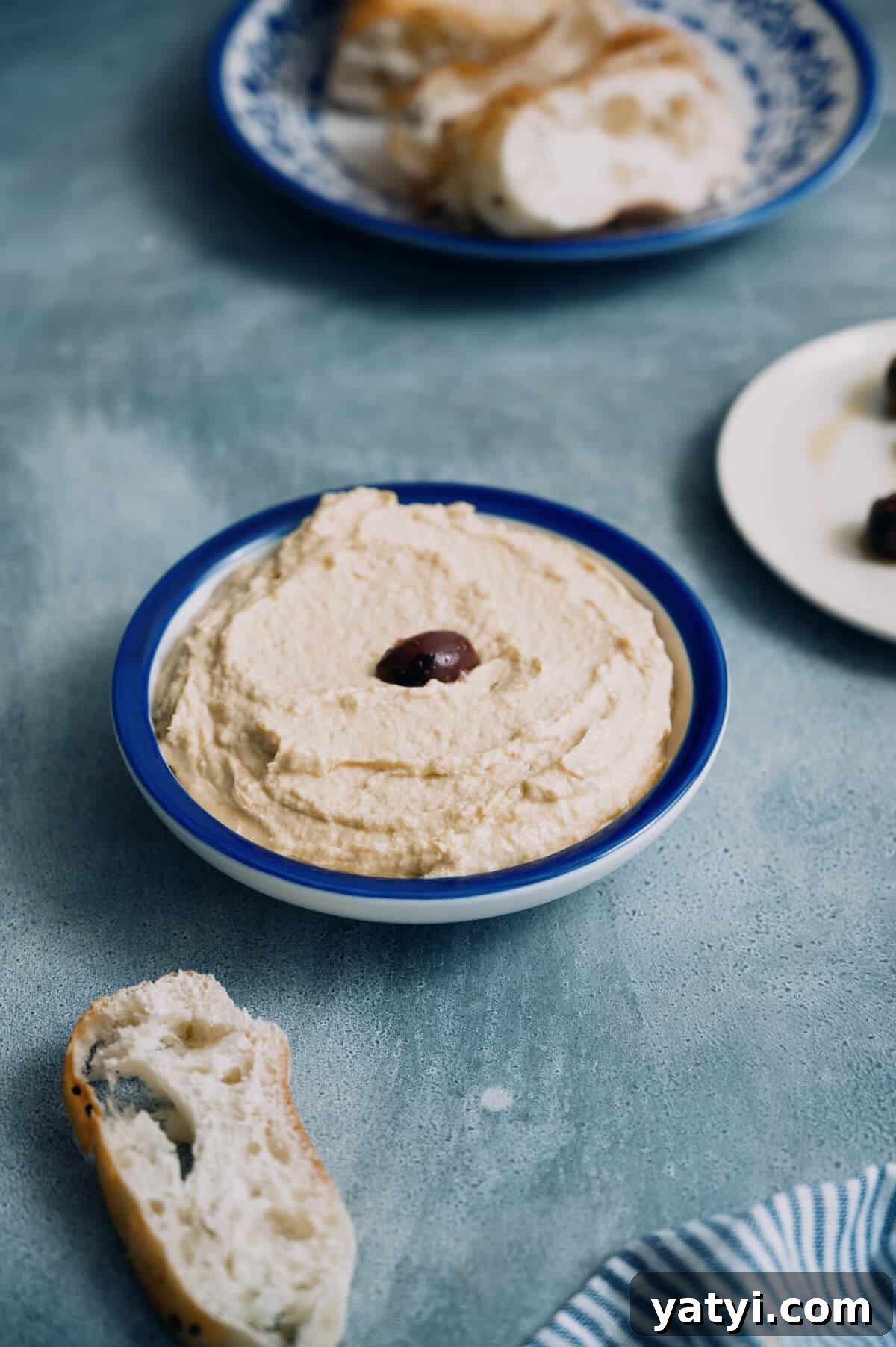
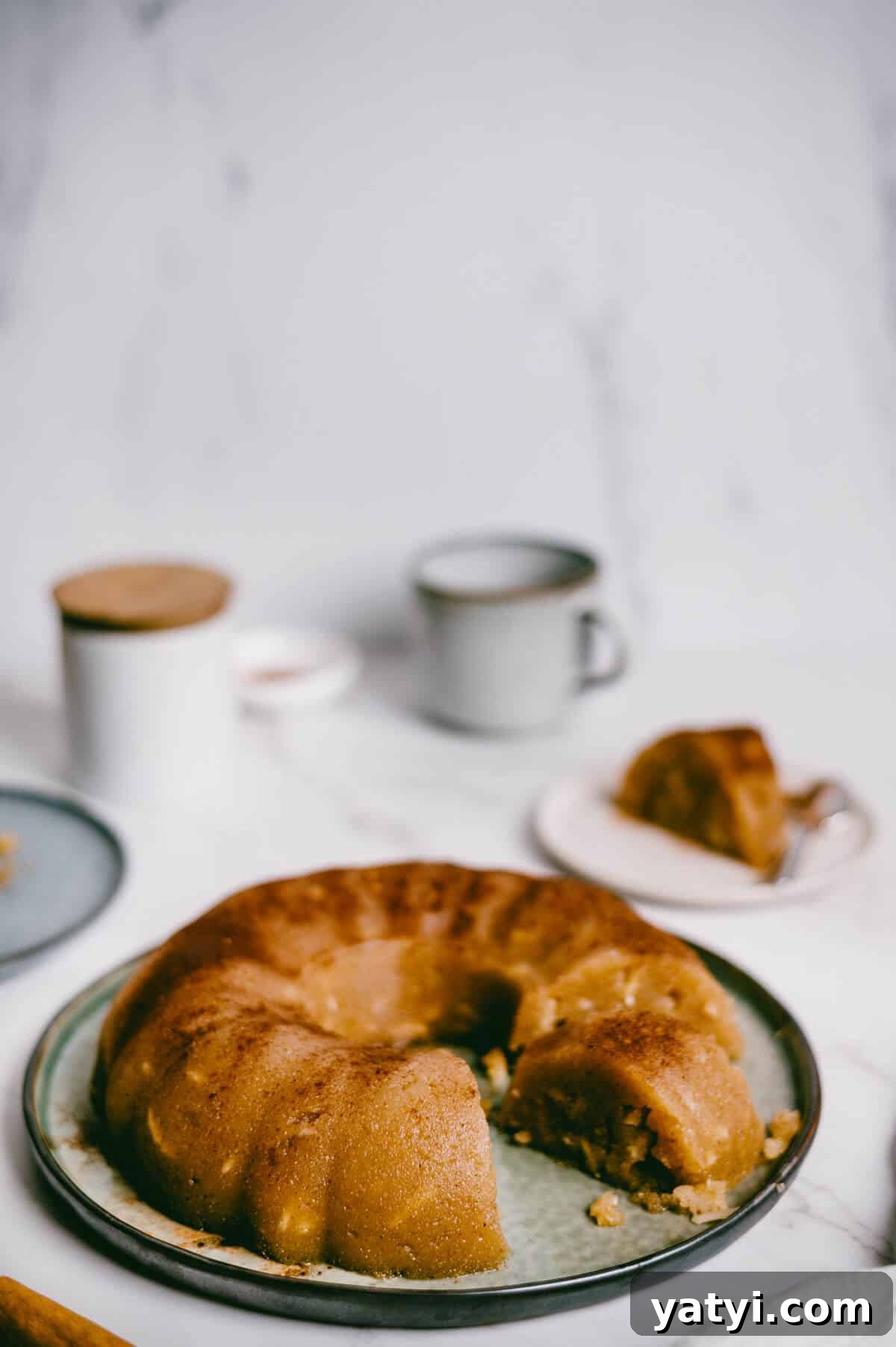
Traditional Clean Monday fare includes lagana, a sesame-topped flatbread made specifically for the day. Other favourites are taramasalata, a creamy fish-roe dip, and sweet halva made from semolina, olive oil, and spices. These dishes show how fasting foods in Greek tradition are still delicious and celebratory.
Fasting during Lent – the Greek way
Strict observance of Lent varies by family and circumstance. Traditional guidelines typically include:
- Abstaining from meat and animal products
- Avoiding dairy
- Permitting seafood without backbones (such as shellfish)
- Restricting olive oil on certain days (many modern households limit this mainly to Clean Monday and Good Friday)
Beyond dietary choices, Lent focuses on spiritual reflection, prayer, and community. Families often adapt these practices to fit contemporary life while honoring their heritage.
Greek Lenten Recipes
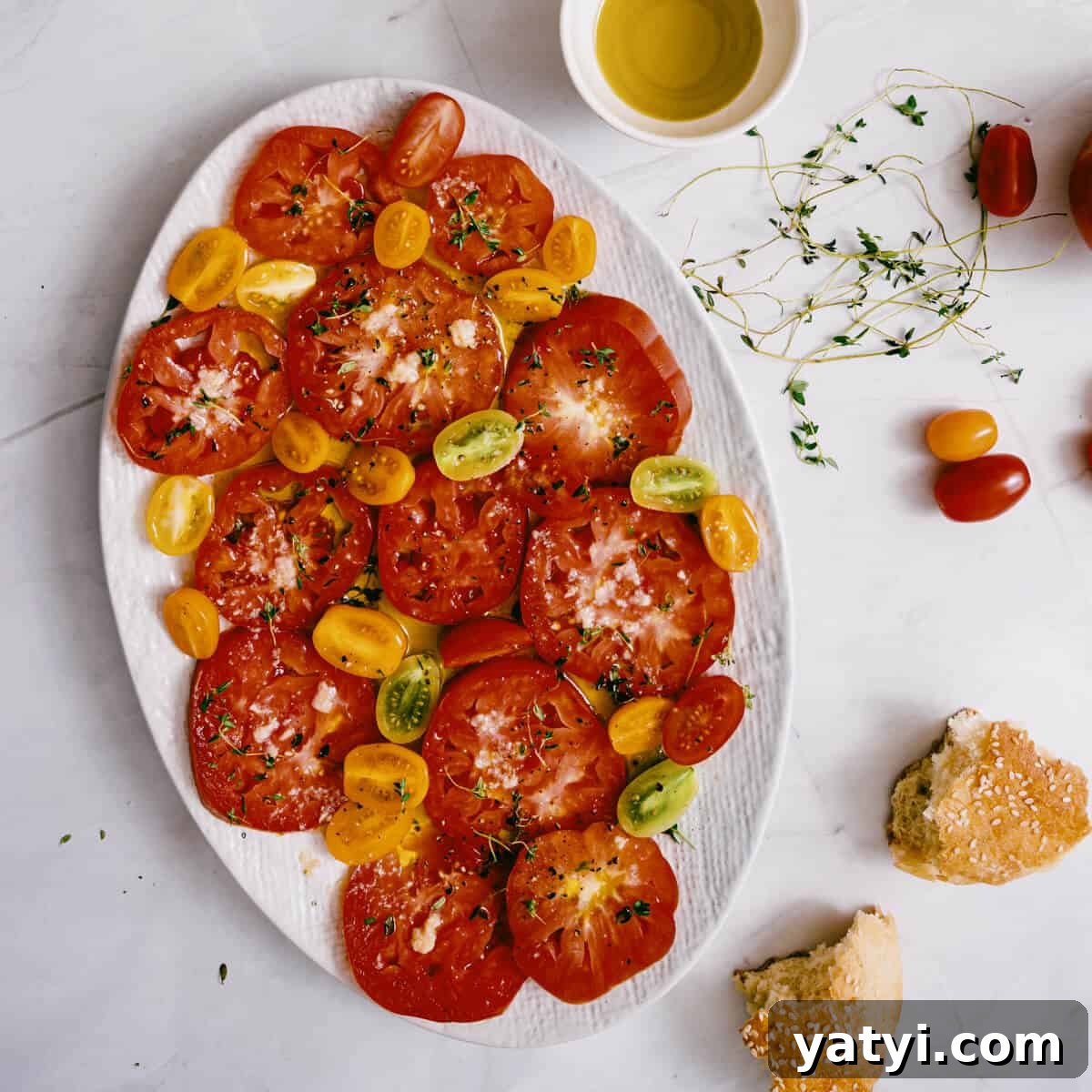
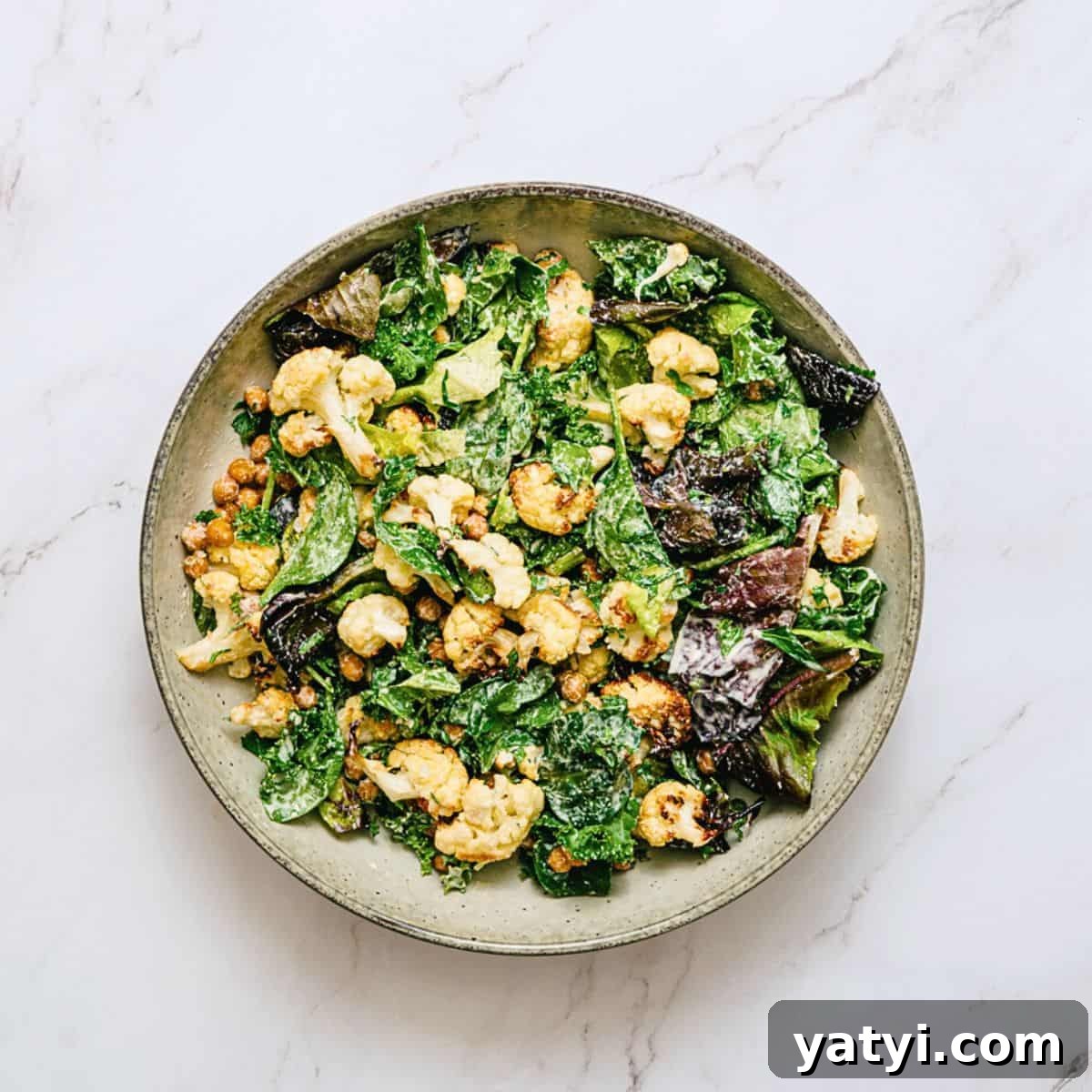
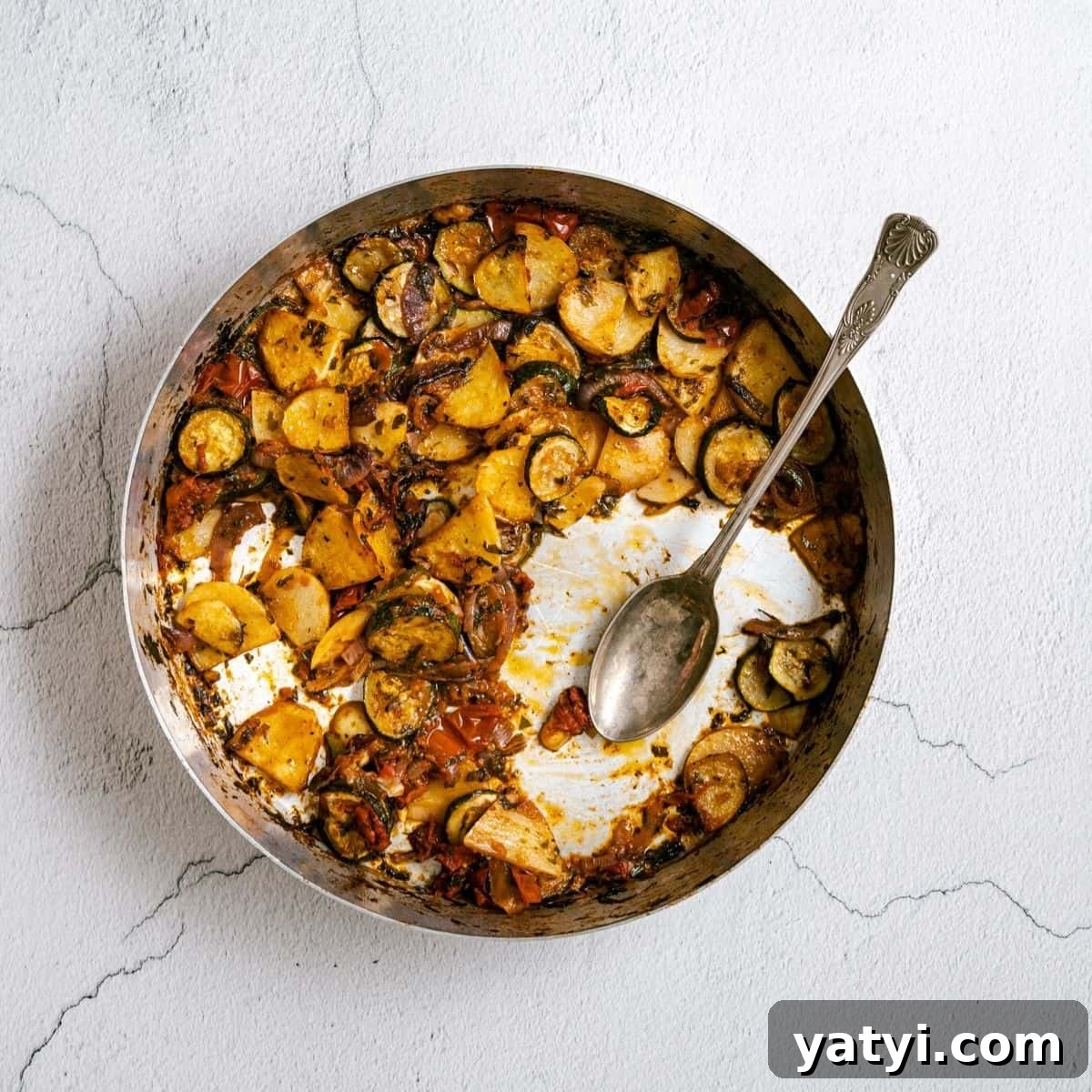
During Lent, many families enjoy a variety of meatless dishes that are both nourishing and flavourful. Popular options include fresh tomato salads, olive oil-based cookies, roasted vegetable dishes, and hearty legume salads.
-
Heirloom Tomato Salad
-
Ladokouloura (Greek Olive Oil Cookies)
-
Roasted Cauliflower Chickpea Salad
-
Briam (Greek Roasted Vegetables)

Holy Week: A Time of Anticipation and Preparation
Holy Week is the final week of Lent and the most active period in the lead-up to Easter. Homes fill with the aromas of traditional recipes passed down through generations, while family members prepare breads, pastries, and the celebratory dishes for Easter Sunday.
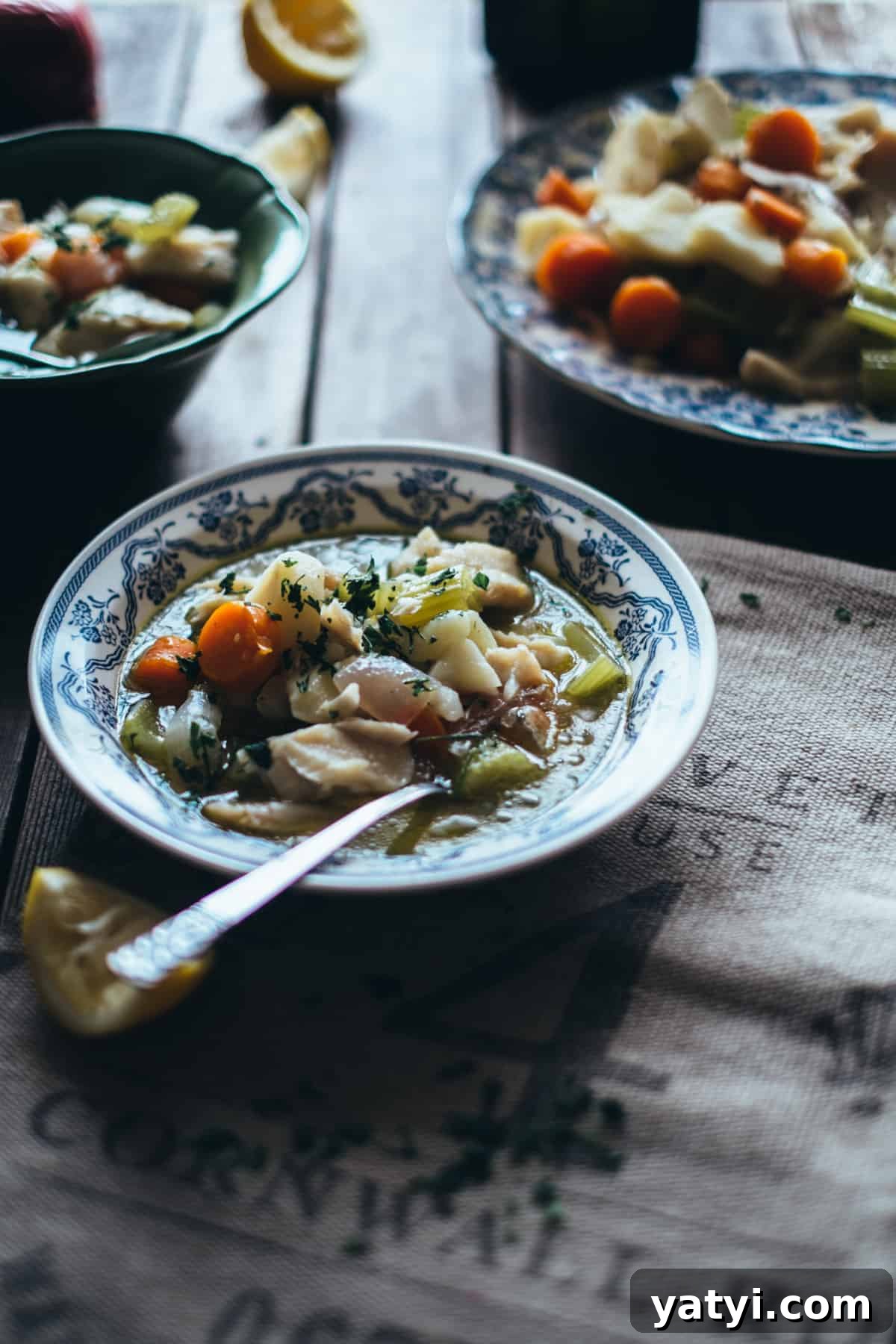
Palm Sunday often allows fish and wine. Traditional dishes for the day include fried cod (bakaliaro) with skordalia, boiled beets, and cooked wild greens. Many families also prepare psarosoupa, a comforting Greek fish soup, as part of this observance.
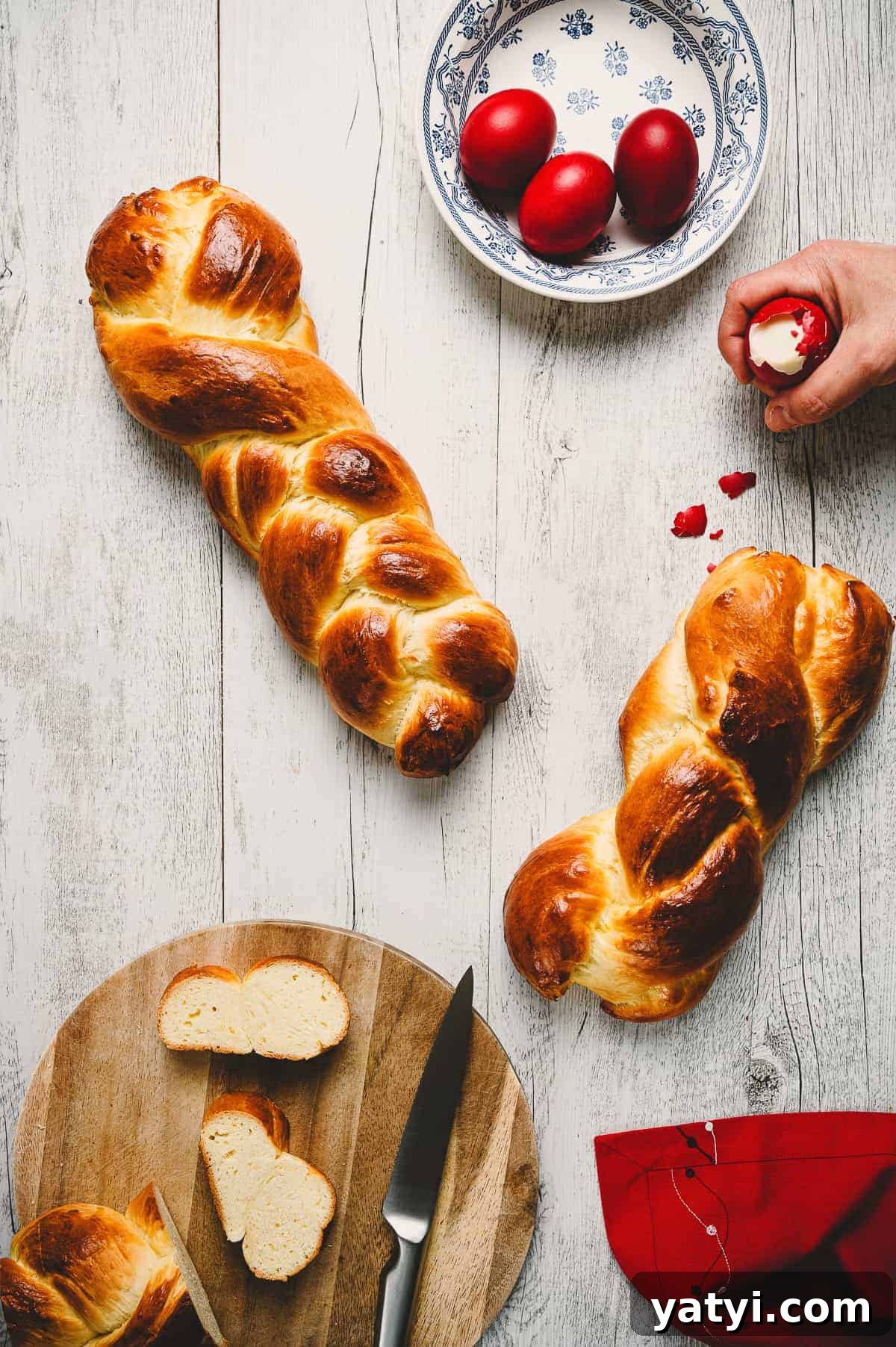
Tsoureki, the braided sweet Easter bread scented with mahleb and mastic, is a Holy Week staple. Making tsoureki is a patient, precise process often taught by elders in the family. Another highlight is the spit-roasted lamb, which is traditionally prepared by local cooks or families well in advance; in many places you must reserve a spit well before Easter.
For those who cannot roast on a spit, oven-roasted leg of lamb with Greek-style potatoes offers a delicious alternative for Easter lunch. Family favourites also include koulourakia, buttery twisted cookies made in many regional variations—some recipes use butter, others olive oil, and a few add a drop of ouzo for aroma.
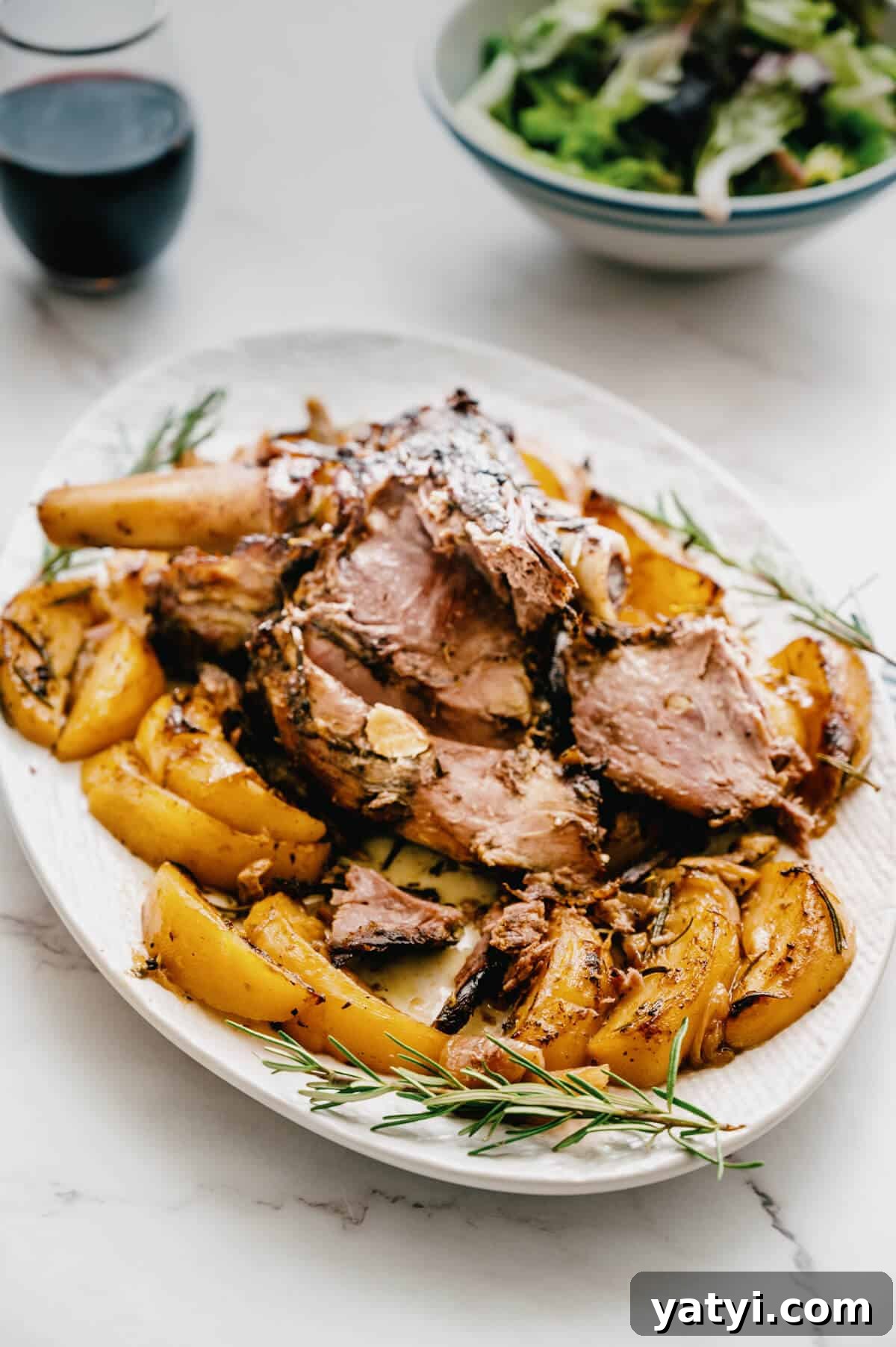

The lead-up to Easter in a Greek family is filled with anticipation, excitement, and shared activity.
Holy Saturday: From Darkness to Illumination
The evening of Holy Saturday is often the most moving moment for many families. At midnight, congregations gather in near darkness as a single flame representing the Holy Light is brought into the church. From that flame, people light their candles and proclaim “Christos Anesti” (Christ is risen), sharing the light with each other.
Returning home with lit candles—lambades—becomes a quiet, joyful procession, and many households mark doorways with a small cross of smoke from the candle as a blessing for the year ahead.

Breaking the Fast with Traditional Flavours
After the midnight service, families traditionally break the fast with mageritsa, a soup made from lamb offal, herbs, and vegetables, finished with avgolemono (egg-lemon sauce). Though the ingredients may seem unusual, careful cleaning and seasoning make mageritsa a cherished part of the celebration.
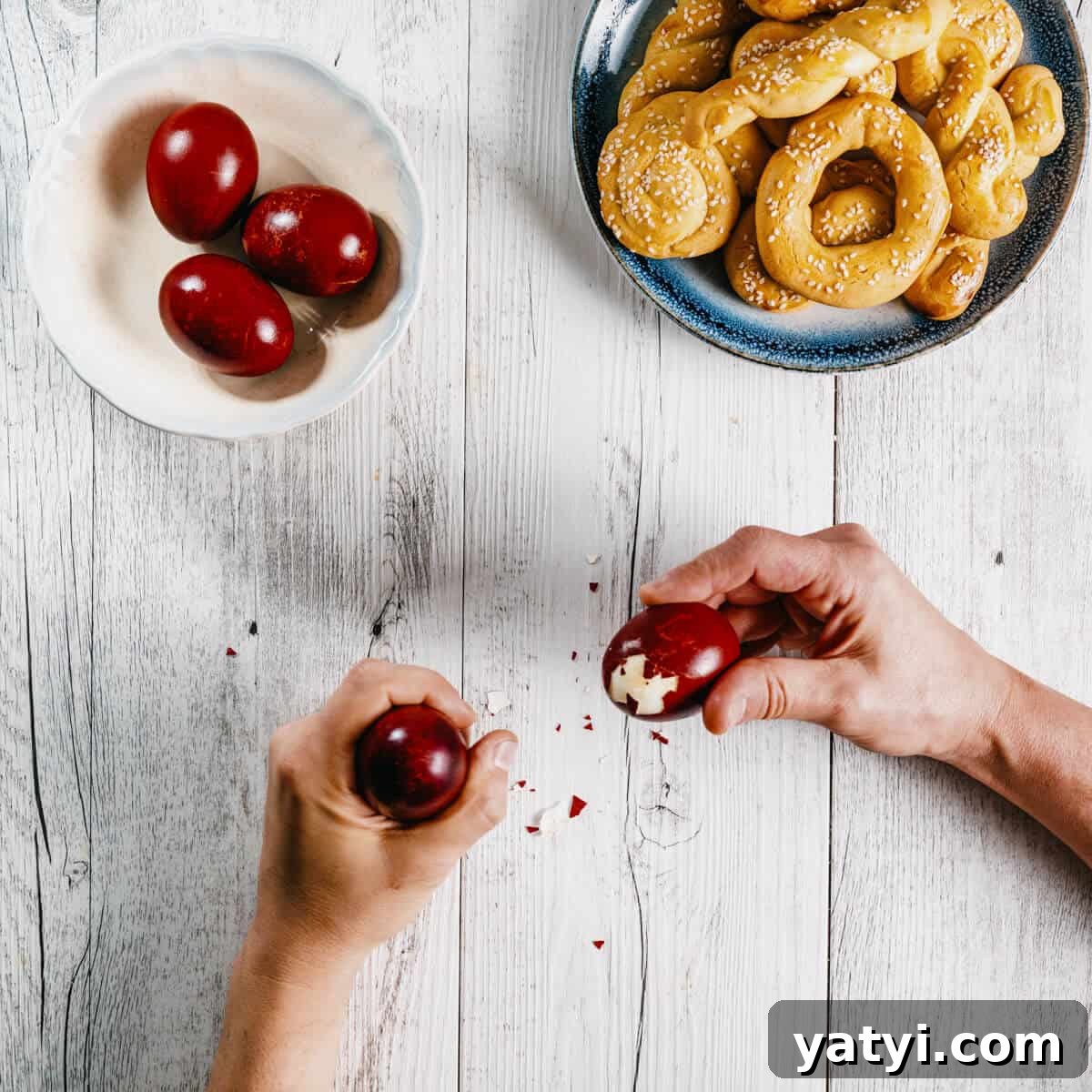
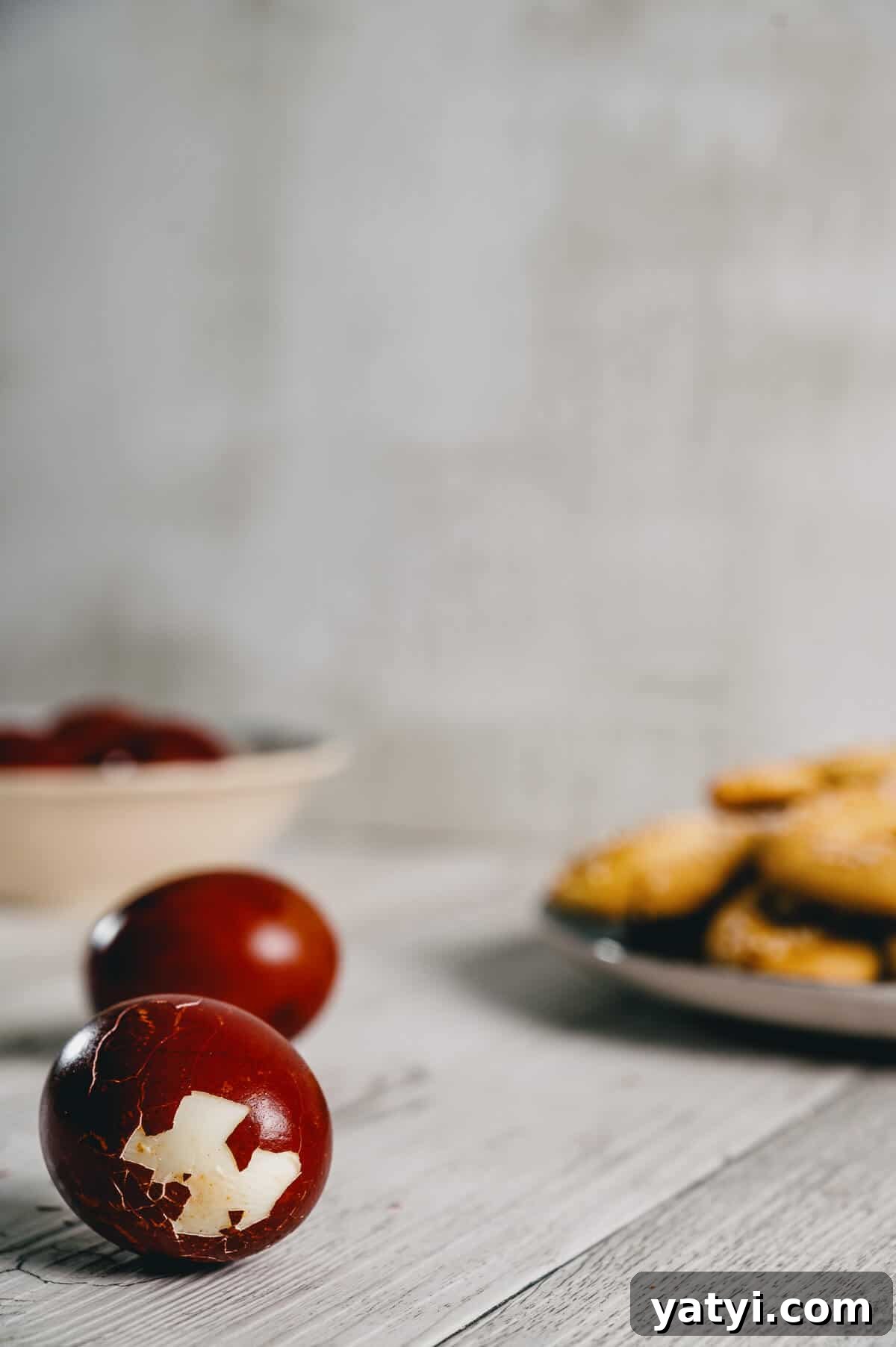
Following the soup, households enjoy tsoureki, koulourakia, and the iconic Greek red-dyed eggs. Red eggs symbolize rebirth and the blood of Christ; they are polished with extra virgin olive oil for a shine and used in a playful cracking game where each player tries to break an opponent’s egg without cracking their own. The winner is often said to have good luck for the year.
The Easter Greeting
One of the defining moments of Greek Easter is the exchange of greetings after the priest proclaims the Resurrection. People turn to one another and say “Christos anesti” (Christ is risen), to which the appropriate response is “Alithos anesti” (Truly He is risen). This simple exchange touches homes and churches alike, reinforcing faith and fellowship.
Preserving Heritage While Embracing Change
Greek Easter traditions are remarkably adaptable. Whether celebrated in a rural village or an urban apartment, the customs retain their heart and meaning. Some practices, like spit-roasting a whole lamb, may be adapted for modern living, but the spirit of communal celebration, faith, and family endures.
These rituals connect people to their heritage while making new memories for future generations. Every red egg cracked, every slice of tsoureki shared, and every “Christos anesti” exchanged keeps the cultural legacy alive and vibrant.
For me, Greek Easter is about family, tradition, and the joy of shared moments—plus more than a few koulouriakia. Would you like to crack eggs together next Easter?