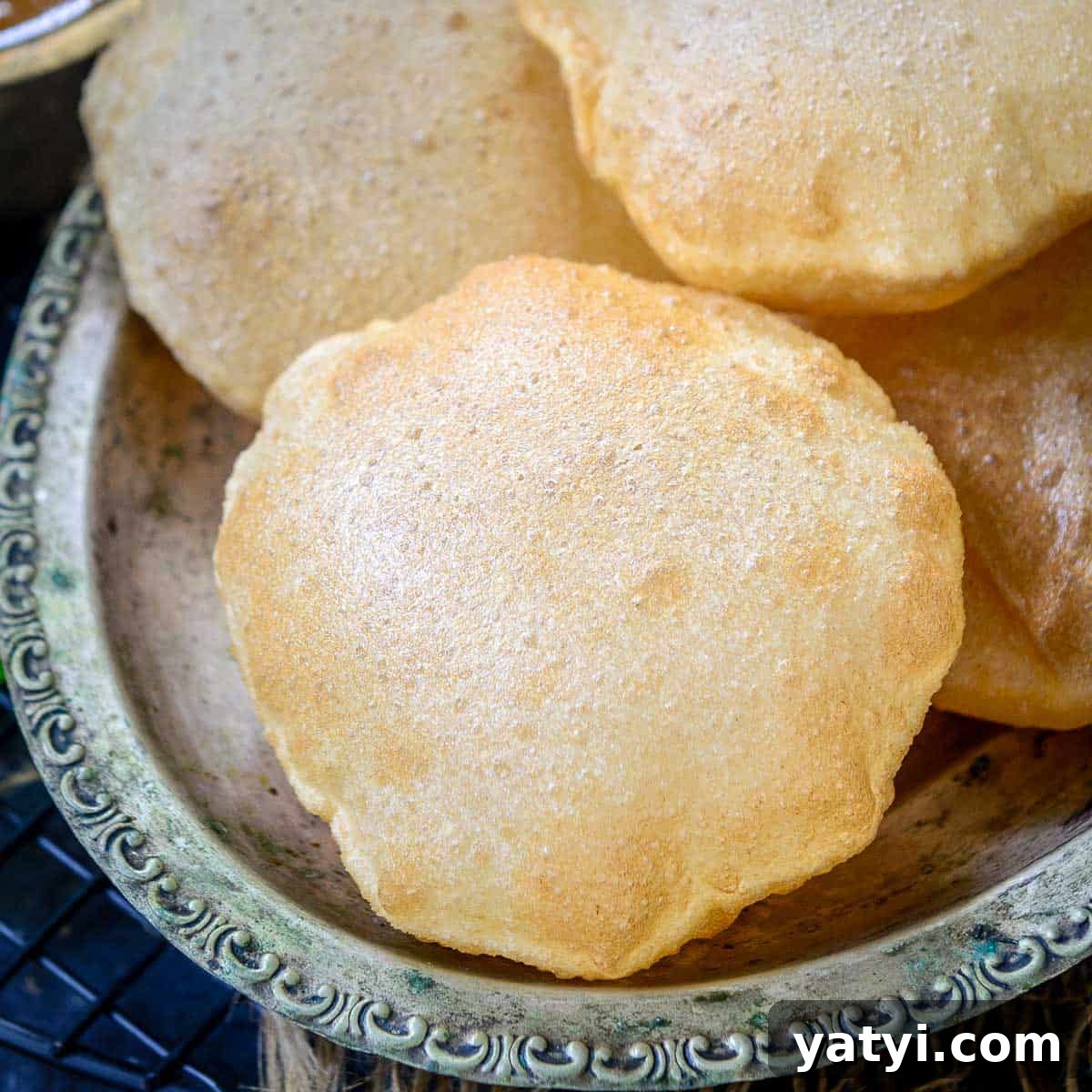
Poori (Puri) is a classic Indian fried puffed bread made from whole wheat flour. This unleavened bread is soft, fluffy inside and crisp on the outside, making it an ideal accompaniment to Indian curries. Follow this simple, reliable method to make evenly puffed, non-greasy pooris every time.
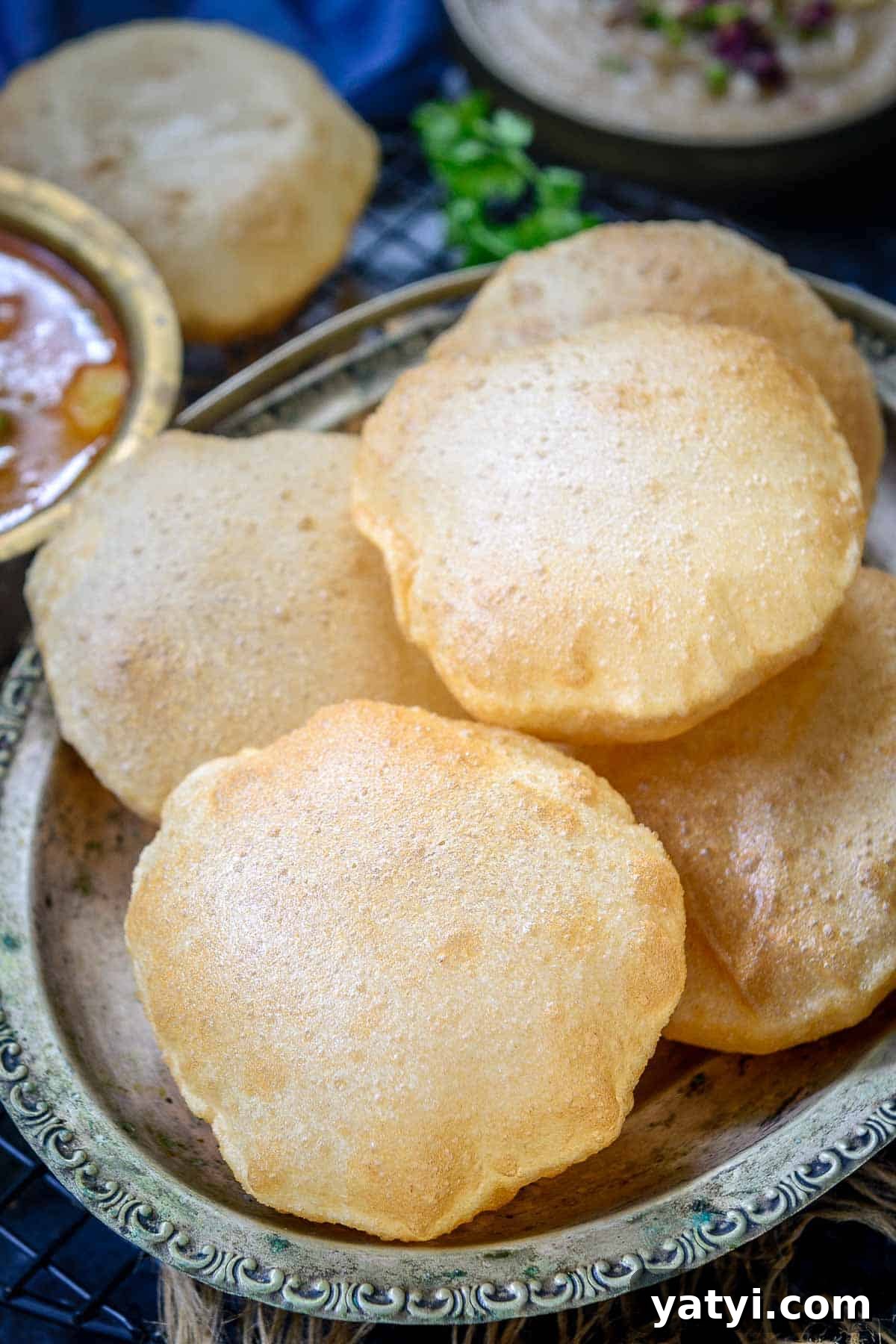
About Poori
Poori (Puri) is a popular Indian puffed bread made with whole wheat flour (atta). Because the dough is unleavened, you don’t need baking agents like baking powder or yeast, so the bread comes together quickly. Poori is enjoyed across India and, like roti or plain tawa paratha, can be served any time of day.
An ideal poori is pale golden, evenly puffed, non-oily, soft and pillowy inside with a thin crispy exterior — perfect for scooping up rich, creamy gravies. With a few simple tips, even a beginner can make perfectly puffed round pooris without much effort.
Ingredients
Whole Wheat Flour (Gehu Ka Atta, Chapati Atta) – Traditional pooris are made with whole wheat flour. Some cooks add a small amount of all-purpose flour (maida) for a lighter color and extra crispness, but whole wheat alone works well.
Semolina – Fine semolina (sooji) gives a bit of crispness and helps the pooris hold their shape longer.
Oil – Use a neutral oil with a high smoke point such as rice bran, canola, or sunflower oil for frying. Ghee can be used for richer flavor (not vegan).
Salt and Sugar – Salt adds basic seasoning. A small amount of granulated sugar helps with caramelization during frying and contributes to a pleasant golden color. Both are optional; plain whole wheat pooris are also common.
How To Make Puri
With a few straightforward steps, you can make crisp, puffed pooris in about 45 minutes from start to finish. This recipe yields 14–16 pooris, enough for about four people. Adjust quantities to serve more.
Make The Dough
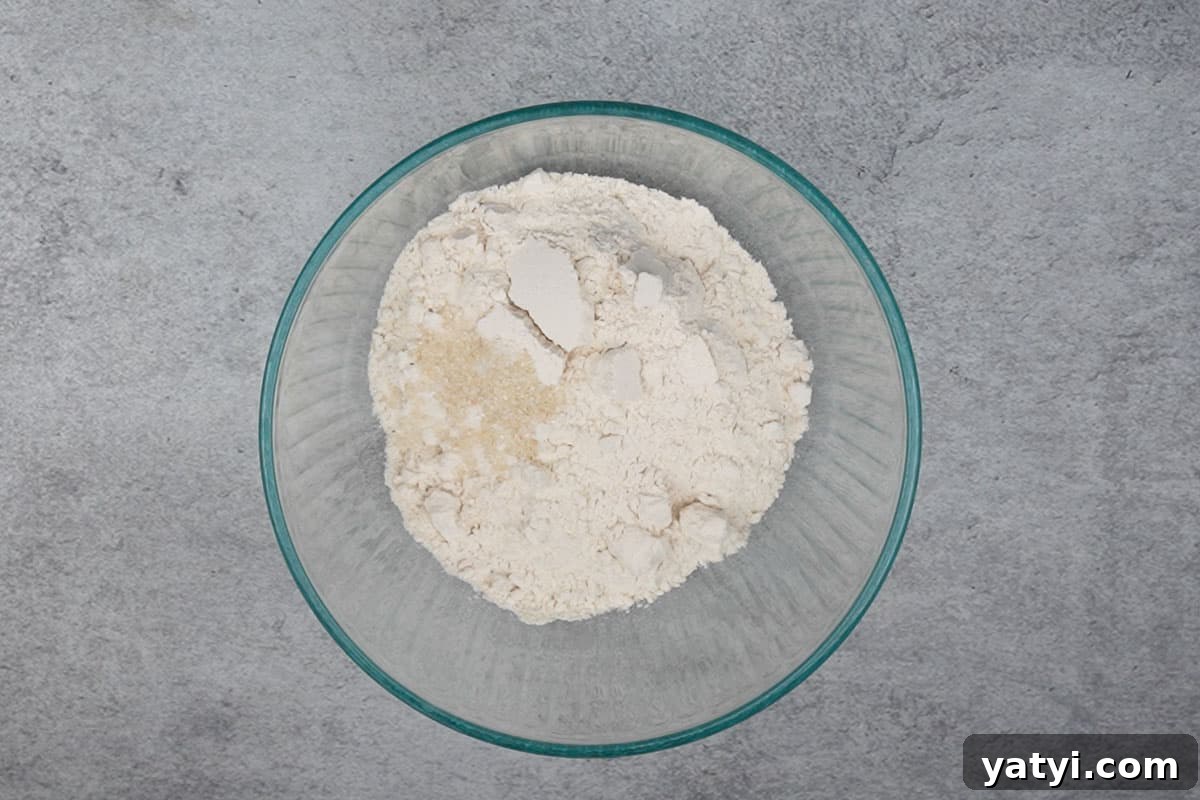
In a large bowl, combine:
- 2 cups whole wheat flour
- 1 teaspoon granulated white sugar (optional)
- ½ teaspoon salt
- 4 teaspoons fine semolina (sooji) (optional)
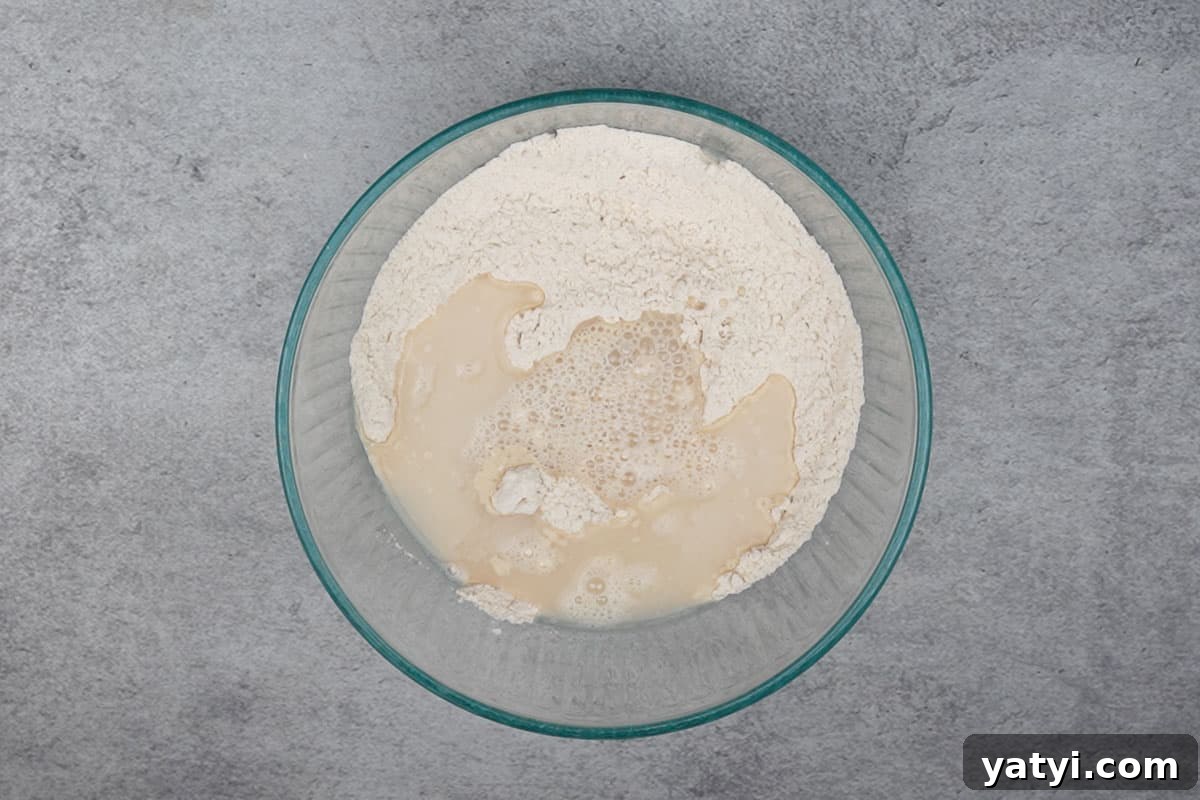
Add about ¾ cup water, a little at a time, and knead to form a smooth but firm dough. The dough should be tighter than regular roti dough; if it’s too soft, pooris will not puff well and will absorb more oil. You can use a stand mixer or food processor fitted with a dough hook if preferred.
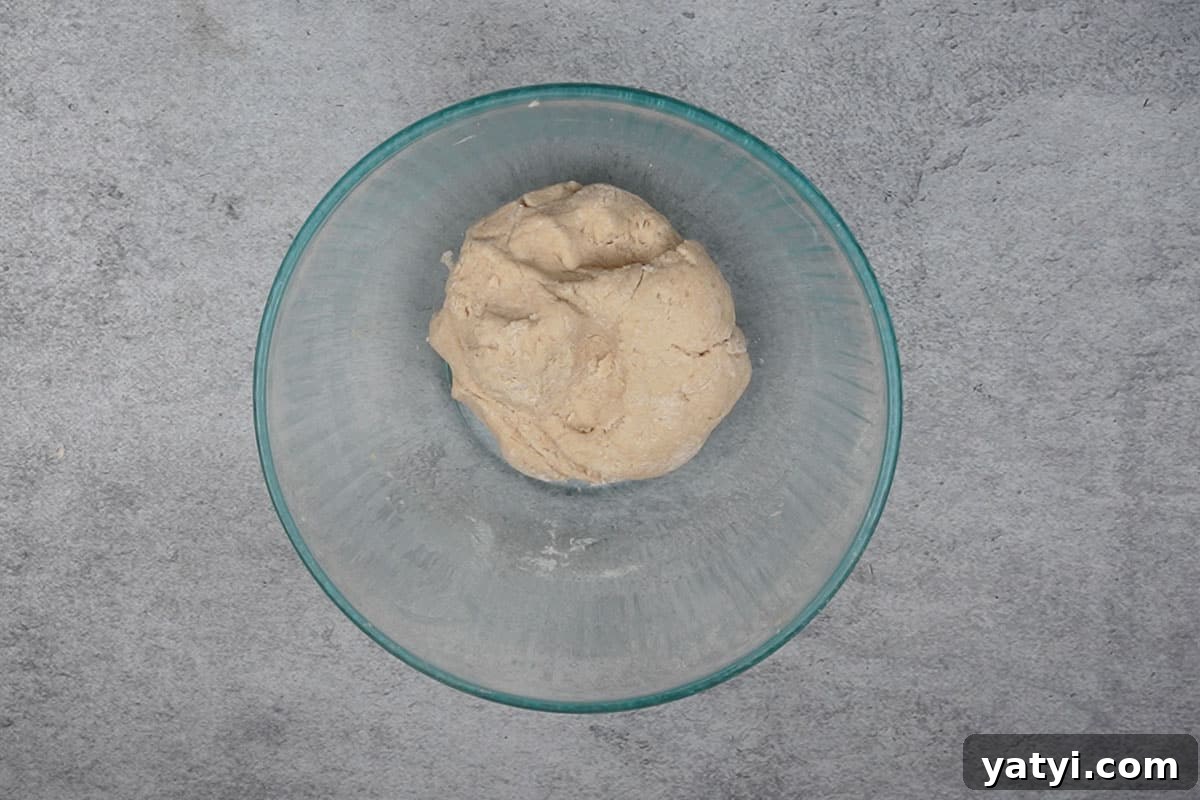
Cover the dough with a clean kitchen cloth and rest for 15 minutes.
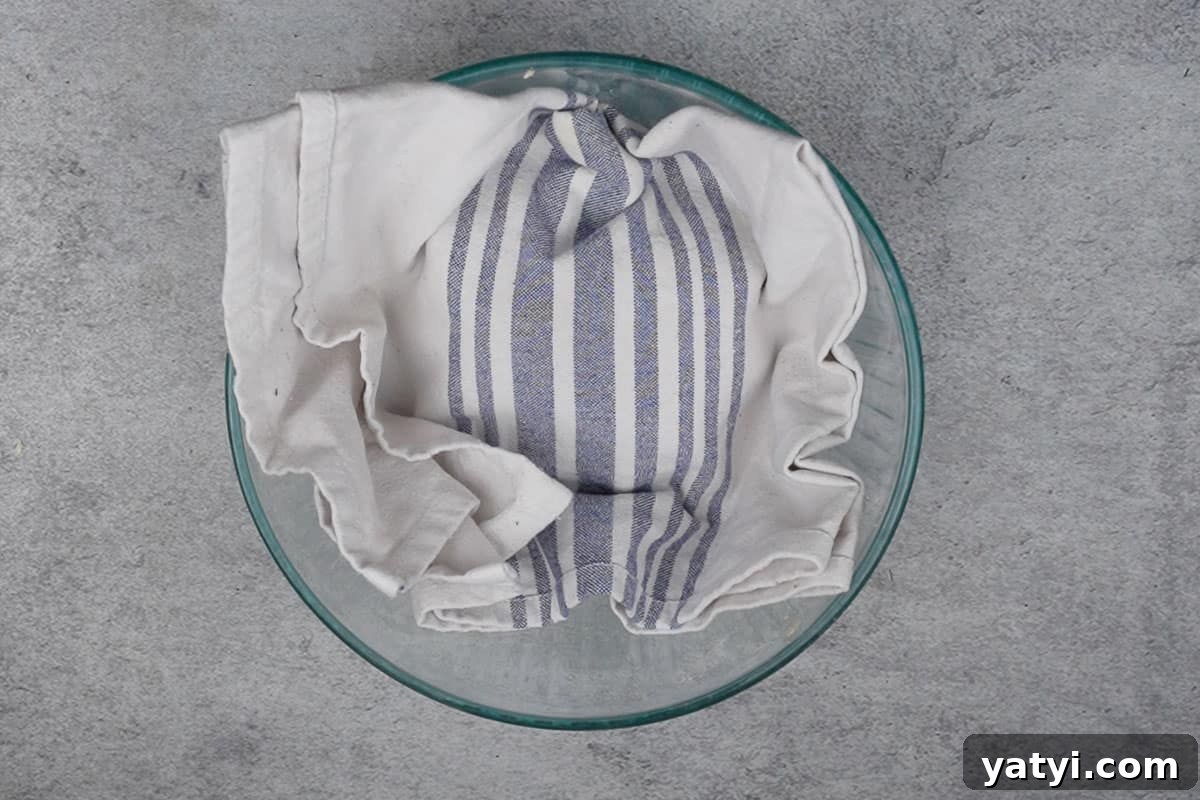
Rolling the Poori
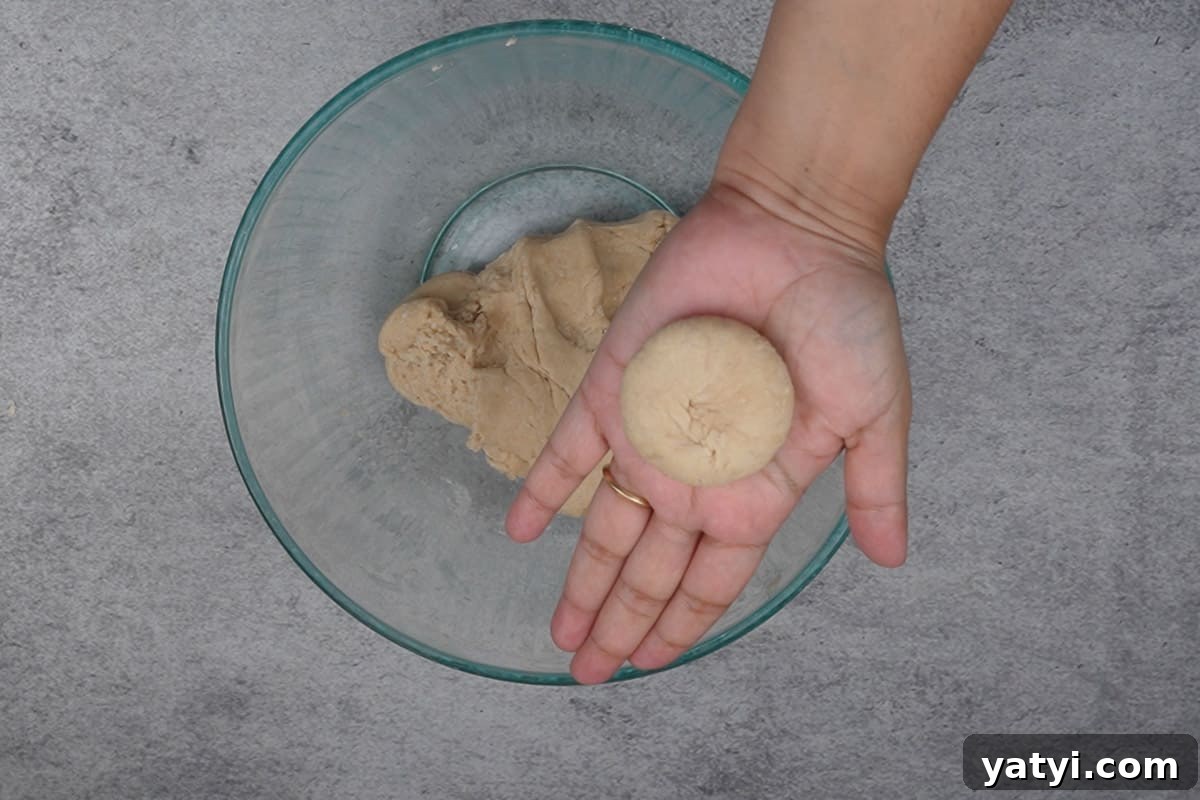
Knead the dough briefly to smooth it, then divide into 14–16 equal portions. Shape each portion into a smooth ball and flatten lightly between your palms.
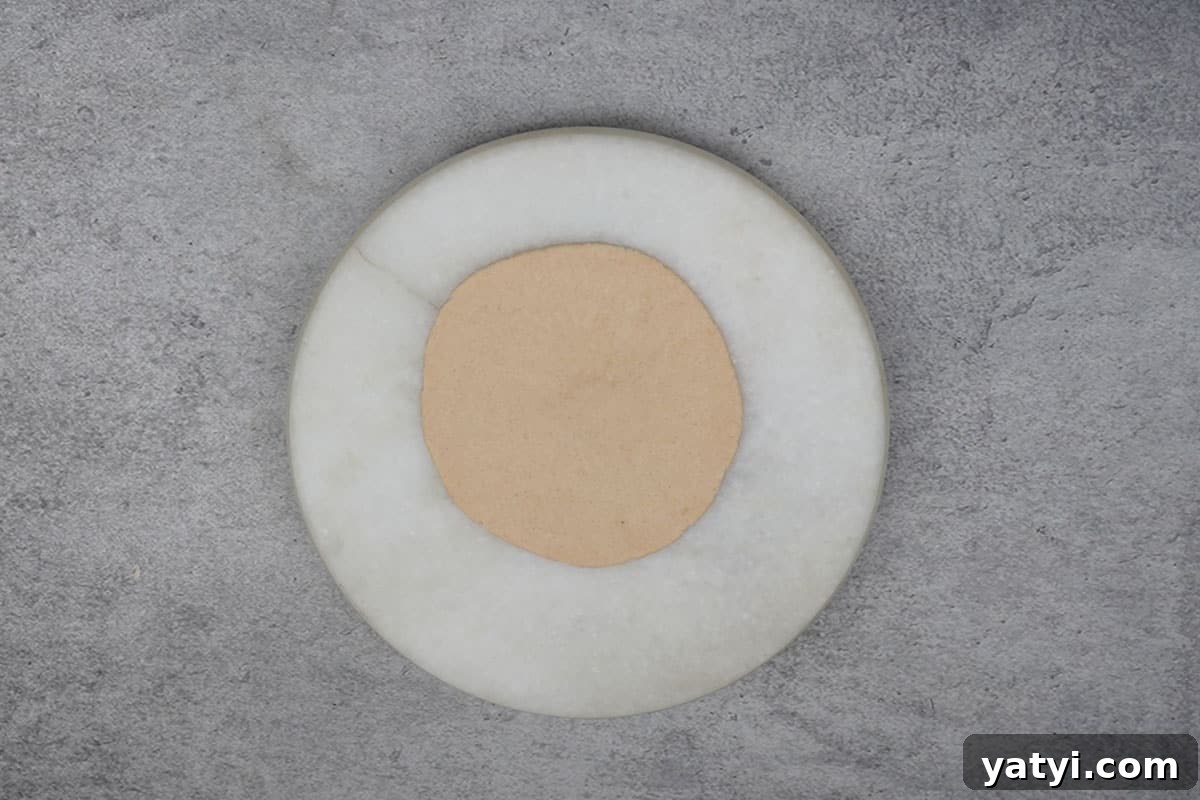
Brush 2–3 drops of oil on a ball, place it on a clean surface or rolling board, and roll into a 4-inch circle with a rolling pin. The edges should be a little thinner than the center. Roll out 3–4 at a time and keep the remaining dough covered.
Do not use dry flour while rolling — loose flour can burn in the hot oil and darken or stick to the pooris. Also avoid rolling the pooris too thin; overly thin pooris tend to become hard after frying.
If shaping perfect rounds is difficult, roll roughly and cut circles using a 4-inch cutter or a tortilla press.
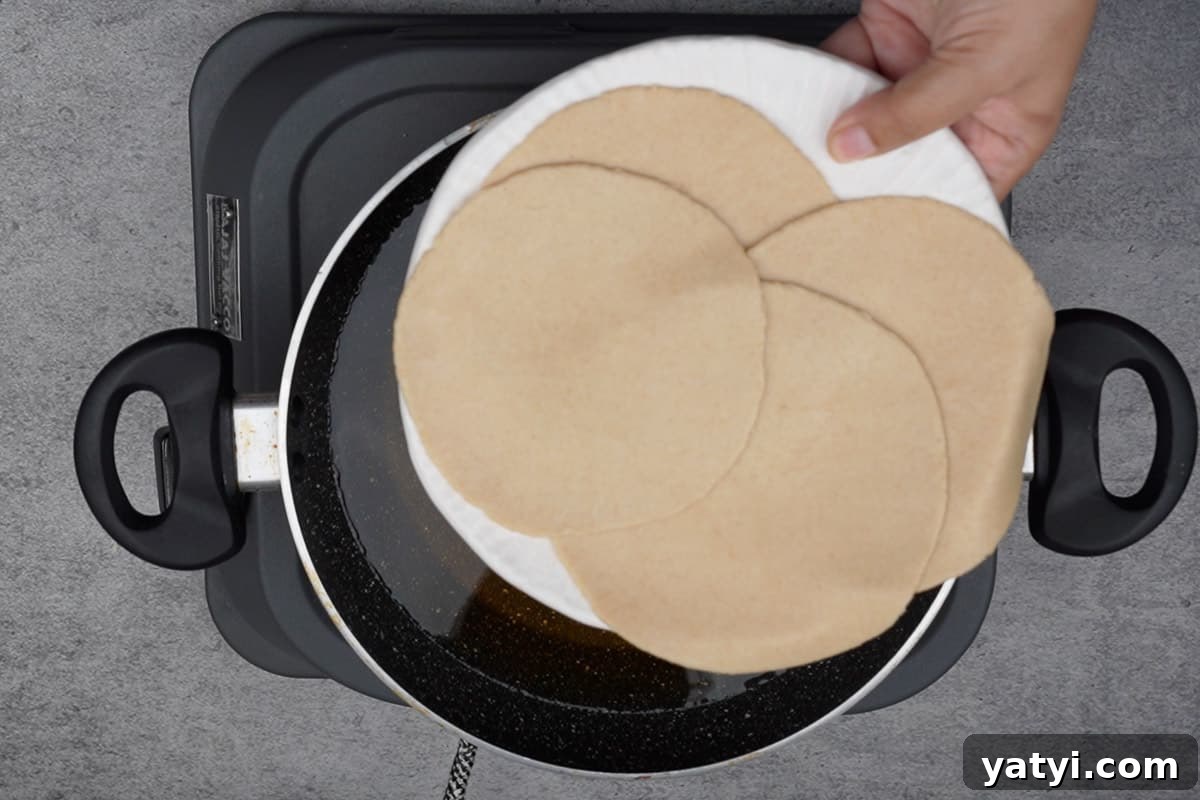
Fry The Poori
Heat 4–5 cups of oil in a deep pan over high heat until it becomes very hot. Very hot oil is essential — pooris fried in oil that’s not hot enough won’t puff properly and will absorb excess oil.
Test the oil by dropping a small dough scrap into it. If it rises immediately, the oil is ready. For precision, the ideal oil temperature is about 360°F–380°F (180°C–190°C).
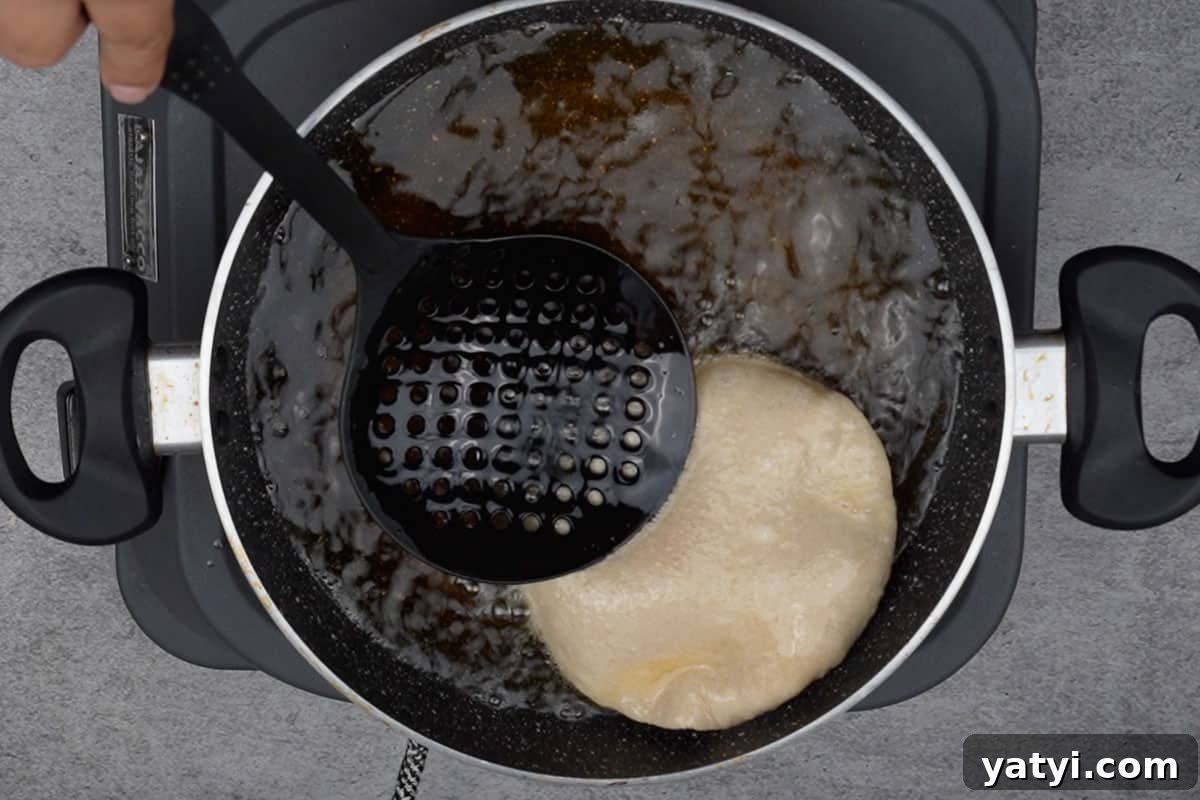
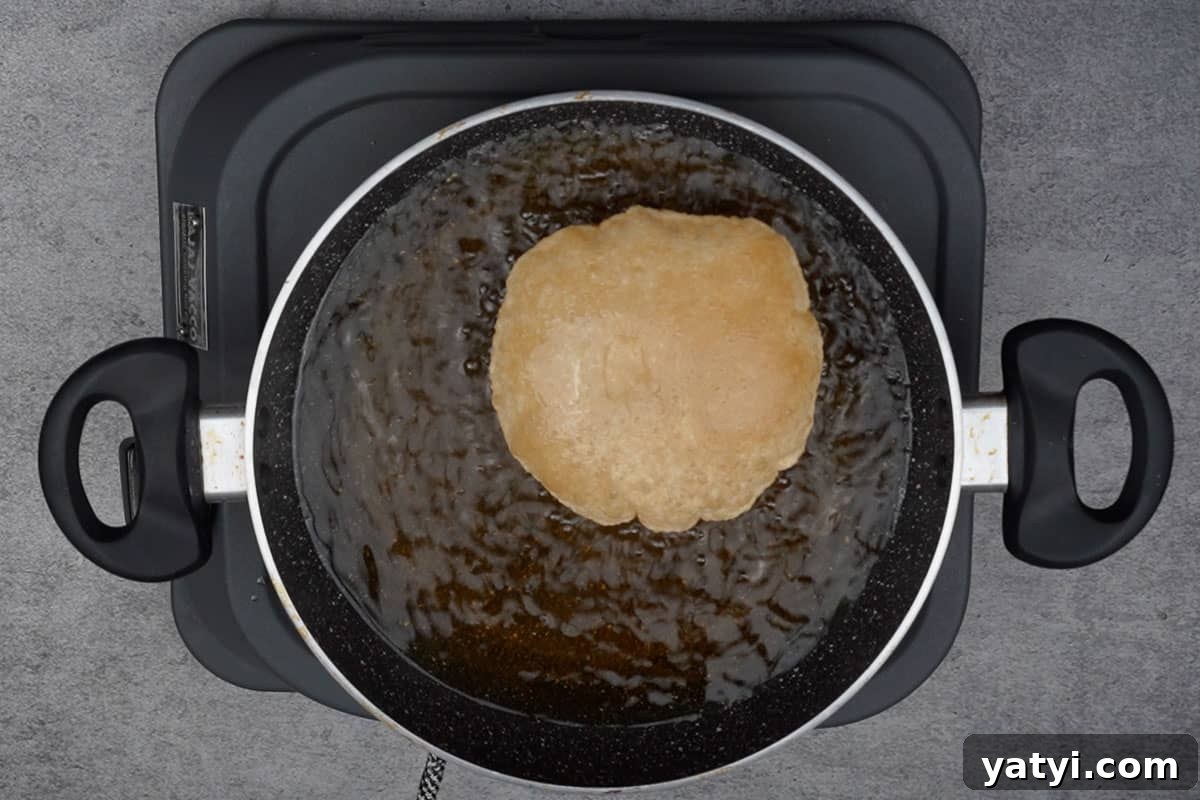
Slide a rolled poori gently into the oil and press lightly with the back of a slotted spoon; it should puff up within 10–15 seconds. Flip and fry the other side until lightly browned, another 10–15 seconds. Remove and drain on paper towels. Repeat with the remaining rolled pooris.
Frequently Asked Questions
Excess oil usually comes from a soft dough or from frying in oil that isn’t hot enough. Make sure the dough is firm and the oil is very hot before frying.
Pooris can become hard if rolled too thin or if fried too long at low temperature. Keep the dough slightly thick in the center and fry quickly in very hot oil.
Serving Suggestions
Poori is best served hot straight from the pan. It’s commonly enjoyed at breakfast, lunch, or dinner and is often prepared for special occasions or festive meals in India.
Popular combinations include Chole Puri (spiced chickpea curry), Puri Bhaji or aloo ki sabji (potato curry). In western India, pooris are sometimes served with aamras (mango pulp) or with sweet dishes like kheer, shrikhand, or sooji halwa. Pooris also travel well and are a convenient choice for picnics or packed lunches; at room temperature they stay good for a day or two.
Storage Suggestions
Store pooris in an airtight container at room temperature for up to 24 hours. Refrigerate in an airtight container for 2–3 days, placing parchment paper between layers to prevent sticking. Reheat on a hot tawa or skillet over medium heat, pressing gently until warmed through.