Making the most of what you already have in the kitchen—whether fresh ingredients nearing the end of their life or last night’s takeout—can be both economical and delicious. These practical tips and simple recipes help you cut waste, boost flavor, and get creative with everyday food items.
Use this guide to turn scraps and leftovers into satisfying meals and snacks.
Leftover Greens Pesto
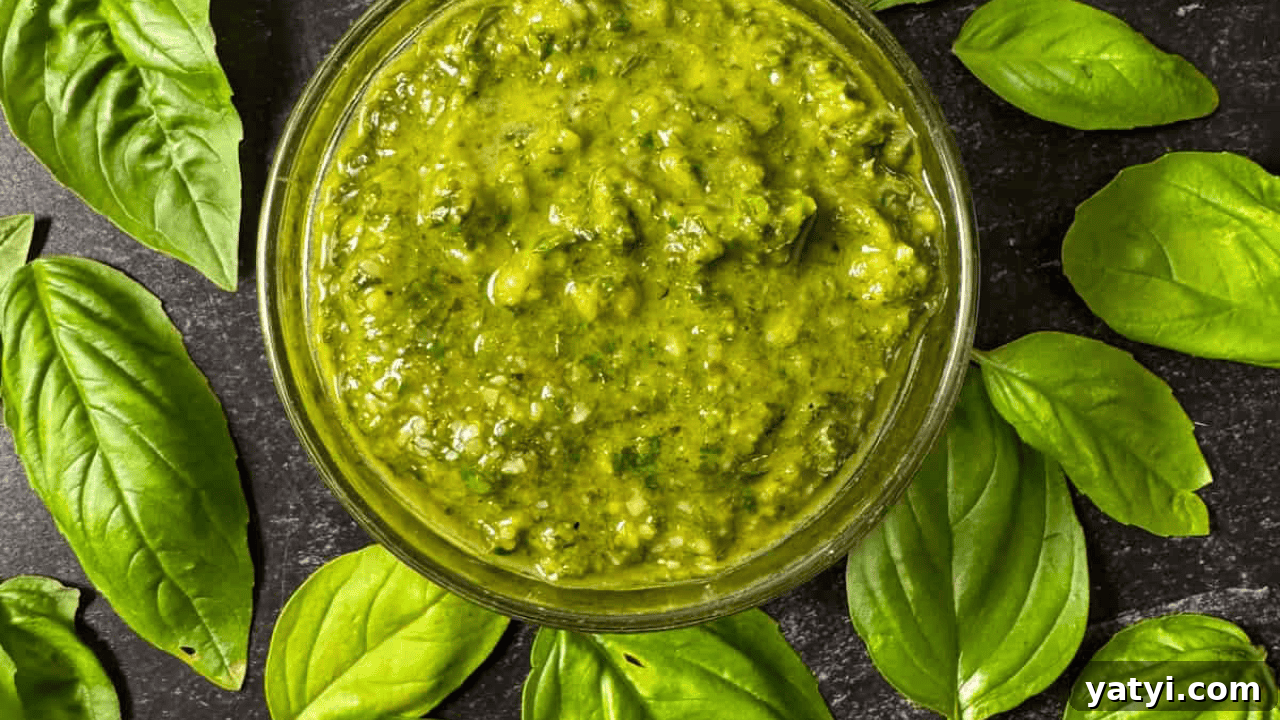
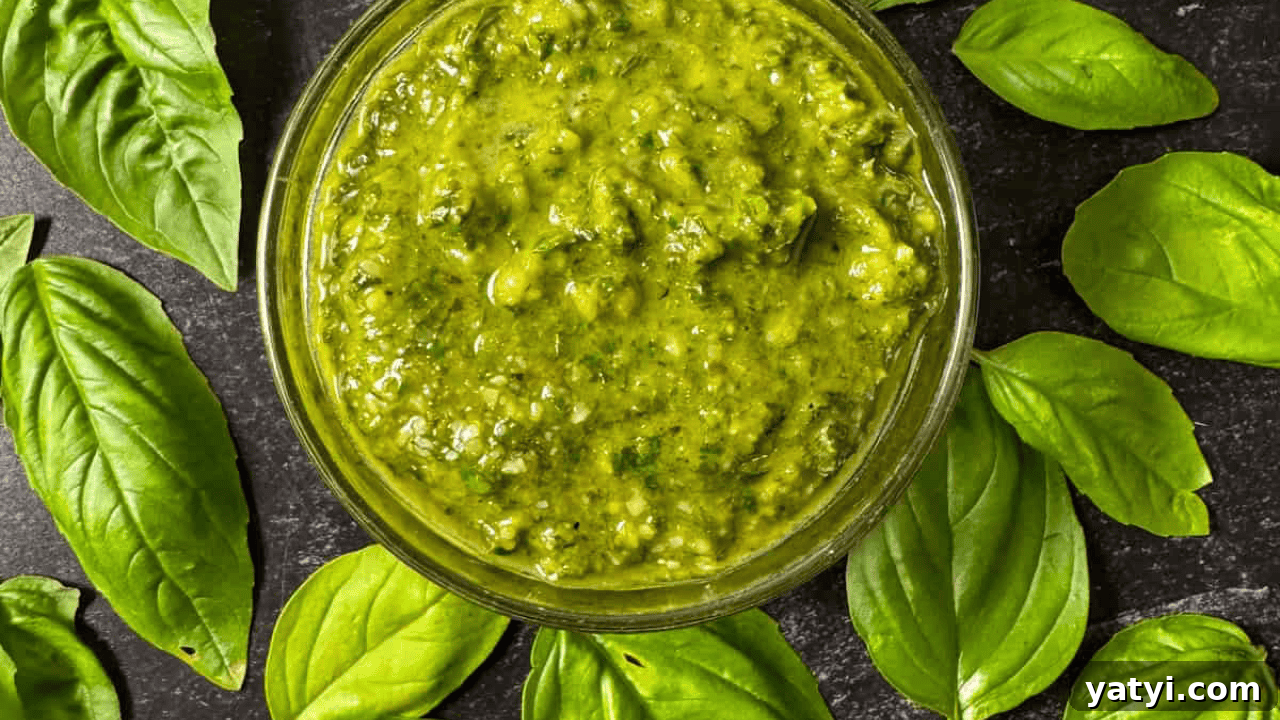
Wilted greens—spinach, kale, radish tops, parsley stems, or herb trimmings—make a bright, versatile pesto. Blend them with olive oil, garlic, nuts (or seeds), lemon zest, and a little grated cheese or nutritional yeast for a punchy sauce. Use it on pasta, stirred into soups, spread on sandwiches, or as a dip for vegetables. Pesto freezes well in small portions, so you can preserve excess for later.
Fermented Lemons
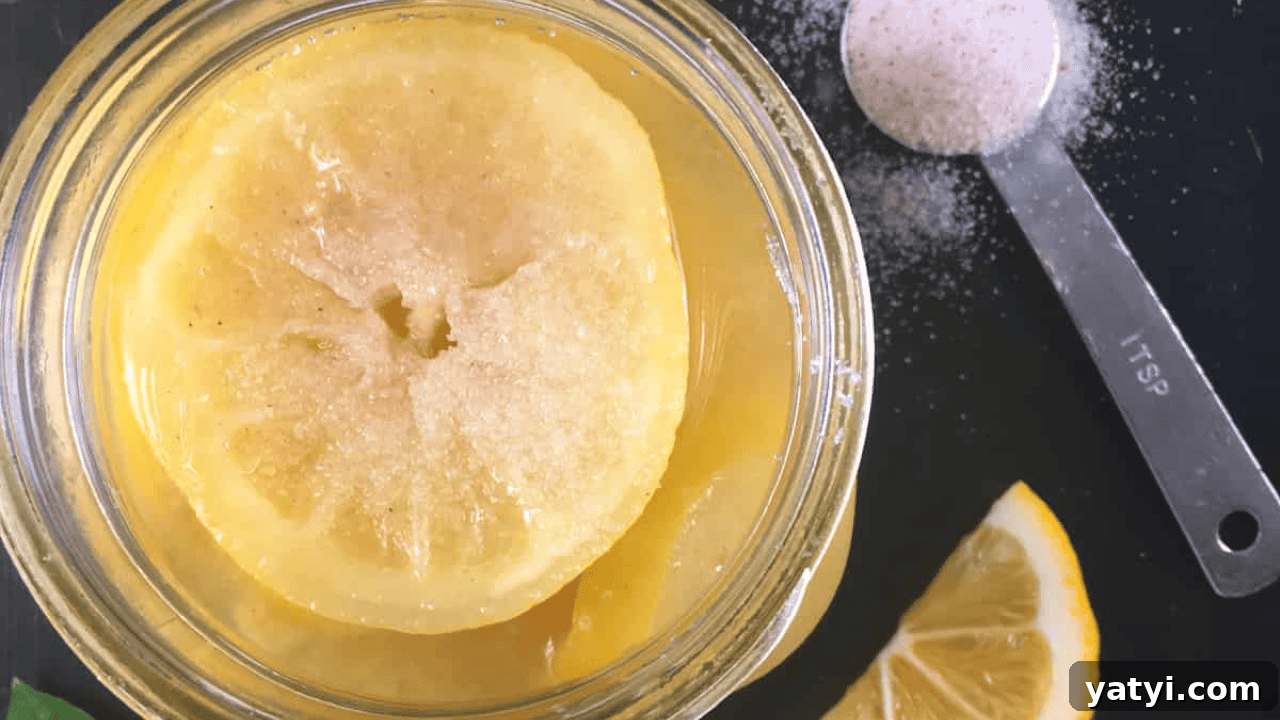
Preserved or fermented lemons add deep, tangy complexity to stews, dressings, grain bowls, and marinades. Slice or quarter lemons, pack them in a clean jar with coarse salt and their juices, and allow them to ferment at room temperature for a few weeks. As they mellow, the rinds soften and the flavor becomes more rounded—use a little at a time to brighten rich dishes.
Reheat Domino’s Pizza

To revive cold pizza and keep the crust crisp, use an air fryer, toaster oven, or a skillet on the stovetop. Brief, high heat restores the crust’s texture and warms the toppings without making the slice soggy. If you’re in a rush, the microwave works—just finish in a skillet or toaster for a minute to restore crispness.
Carrot Leaves Recipe
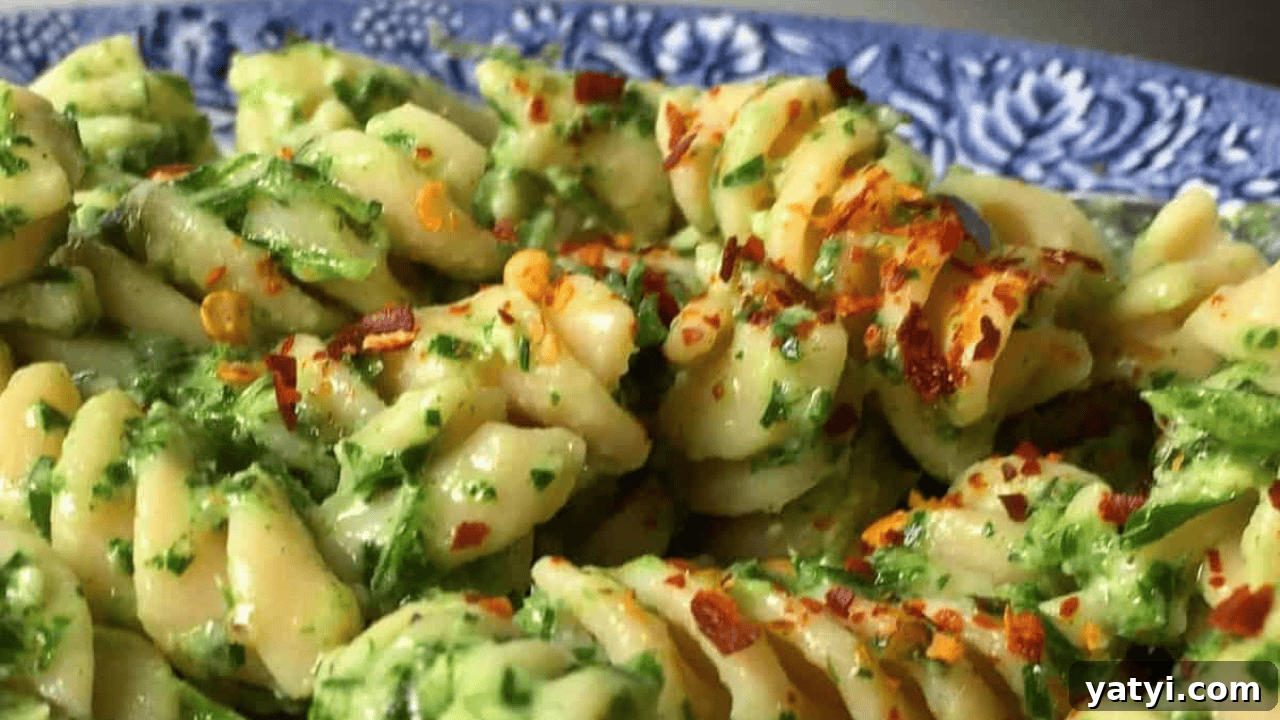
Carrot tops are flavorful and underused. Their bright, herb-like taste works well in chimichurri, pesto, or simply sautéed with garlic and olive oil. Chop them into salads, blend into dressings, or add to soups for a subtle, fresh note. Because they cook quickly, carrot greens are an easy way to stretch a meal and add greens to your plate.
Chicken Hearts
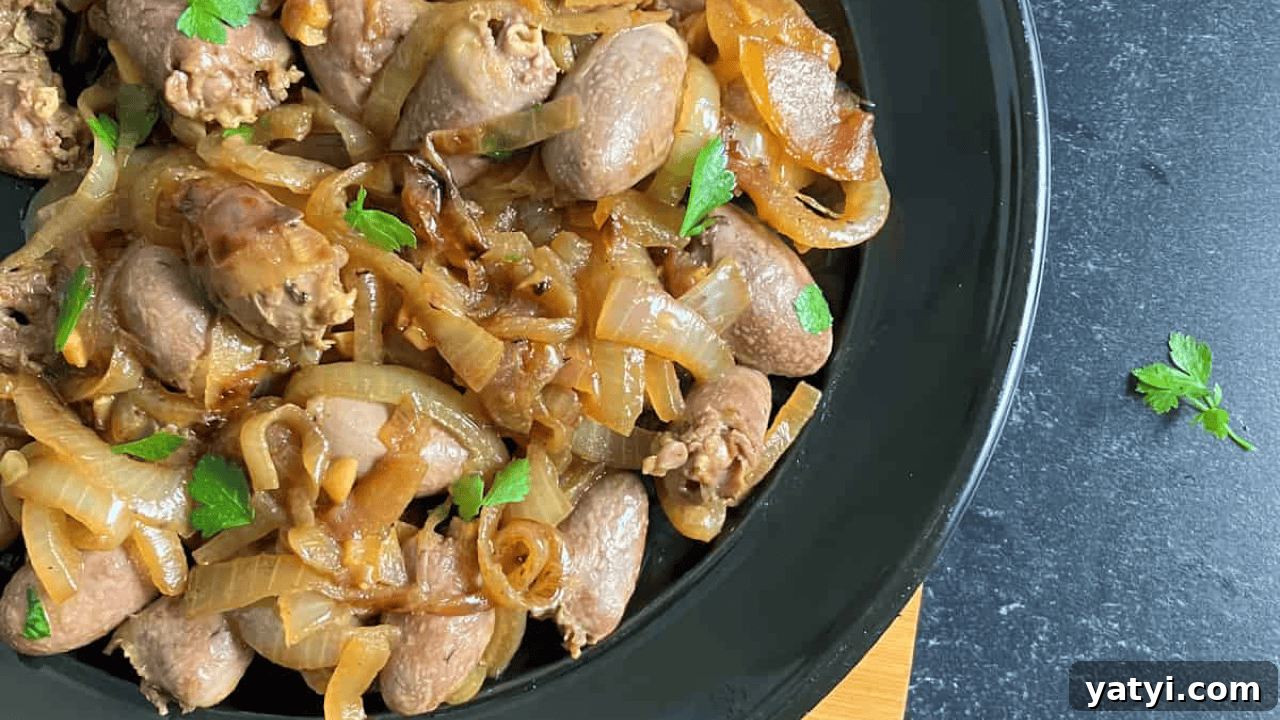
Chicken hearts are an inexpensive, protein-rich cut that cooks quickly and absorbs bold flavors. Season and grill or pan-sear them with garlic, chili flakes, and a splash of vinegar or lemon for brightness. Serve as a snack, appetizer, or alongside rice and roasted vegetables. Their tender texture makes them a satisfying alternative to traditional cuts.
Bone Broth
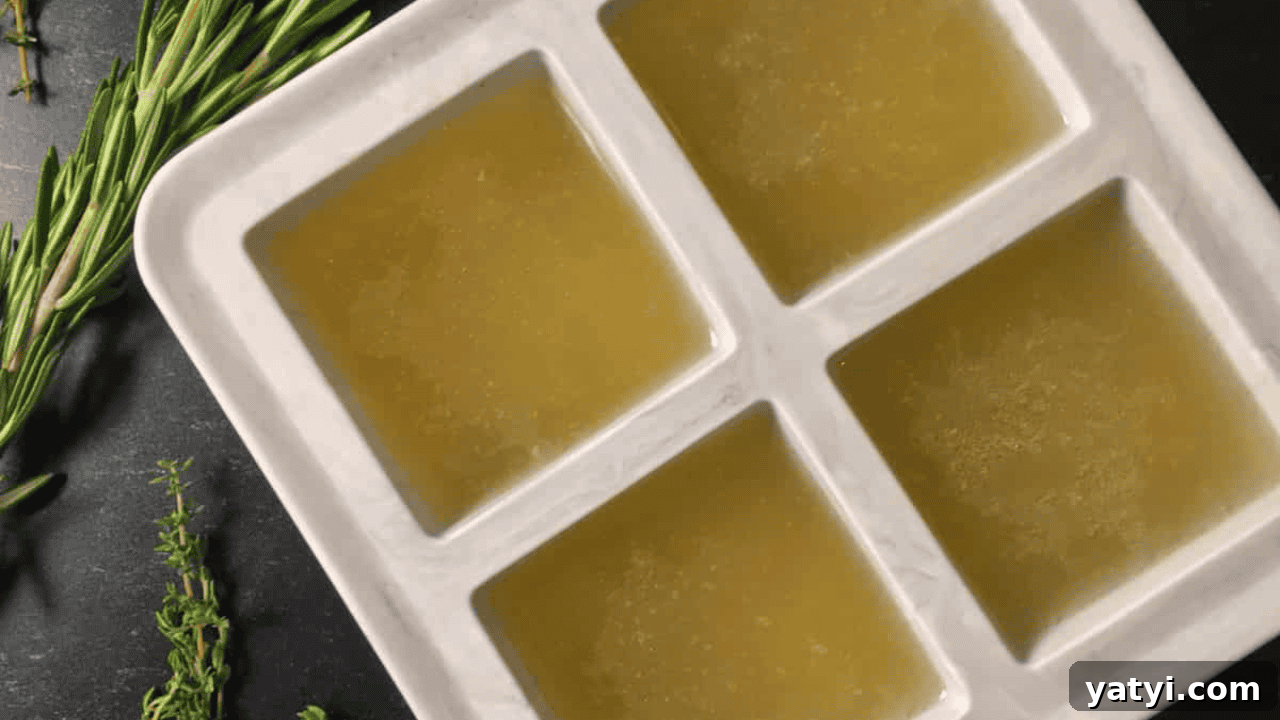
Bone broth is a nourishing base for soups, stews, and sauces. Simmer bones with water, a splash of vinegar to extract minerals, and aromatics like onion, carrot, and celery for several hours. Strain and cool, then use it as a warm drink, a cooking liquid for grains, or as added nutrition in purees and sauces. It stores well in the refrigerator or freezer for future use.
Reheat McDonald’s Burgers
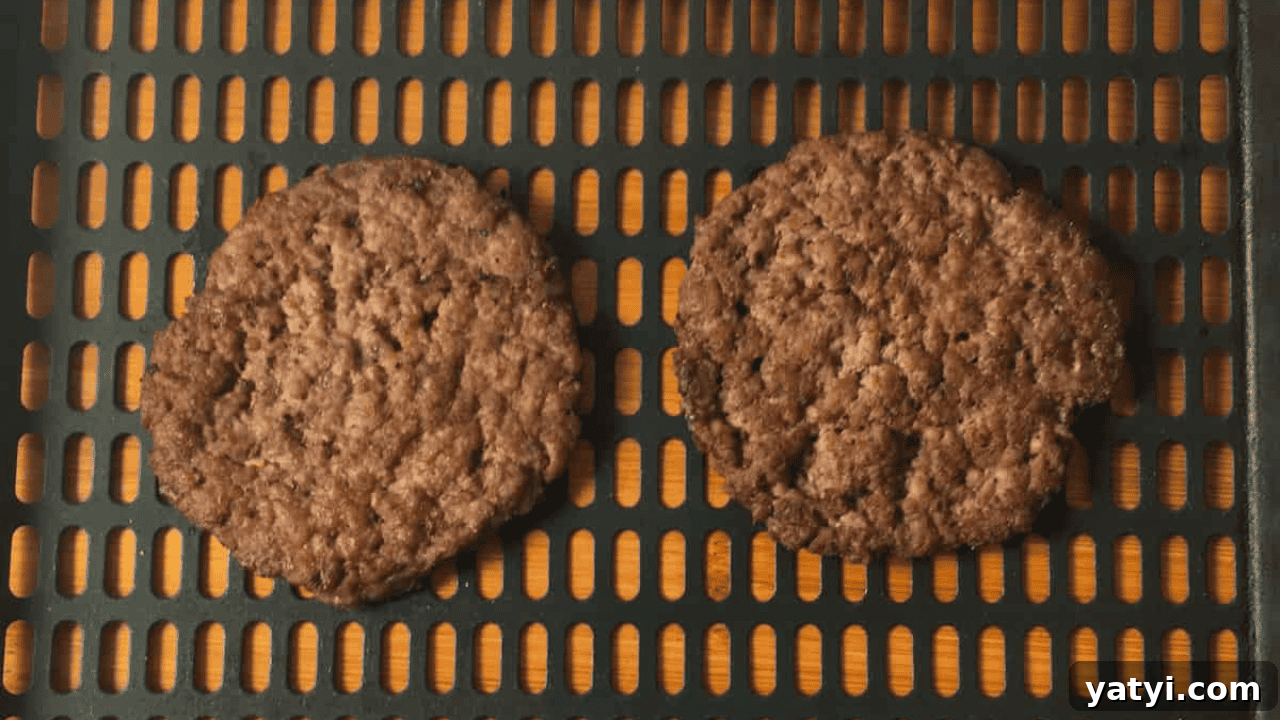
To refresh fast-food burgers, the air fryer is ideal: it crisps the bun and warms the patty without drying it out. Reheat the components briefly and add fresh toppings after heating for the best texture. A skillet with a lid also works well to restore juiciness while keeping the exterior crisp.
Reheat McDonald’s Chicken Nuggets

Reheating nuggets in an air fryer or oven restores their crunch and heats them evenly, making them almost as good as fresh. Avoid the microwave if you want to keep them crispy; if you must microwave, finish with a quick blast in the air fryer or under the broiler.
Reheat McDonald’s Fries

Fries regain their crispness with a quick turn in the air fryer or a hot oven. Spread them in a single layer, heat briefly until crunchy, and season to taste. With the right technique, reheated fries can be a surprisingly tasty second act.