
How to Have A Daily Routine (With Kids)
and Free Time Blocking Printable

Having a daily routine as a stay at home mom (or working mom!) is hard
I love a schedule, but in reality my routine is often a flexible guideline rather than a rigid plan.
Flexibility is the name of the game. Curve balls—sickness, forgotten alarms, meltdowns—happen constantly. They can derail your best intentions, but they don’t have to ruin your whole day. I often plan fresh starts on Mondays, but even the best-laid plans change when real life shows up.
For example, I once woke up ready to get back into routine after vacation, only to find my oldest child sick and my husband running late. My plans for shopping and productivity changed in an instant. But having a plan still allowed me to adapt without losing direction.
Below are practical tips that have helped me keep a routine and stay productive in the everyday chaos of parenting.
1. Have a plan for your daily routine
Preferably a detailed plan.
Not scheduling anything because you “know it will change” usually leads to feeling overwhelmed. A plan, even a rough one, gives you a structure to evaluate and adjust rather than a sense of being directionless.
Having a plan gives you freedom to evaluate it and change it as needed
Use a time-blocking approach to map out your day, and expect that it will shift. When things change, you can quickly decide what can be dropped or postponed and where to pick back up. A plan lets you respond intentionally instead of reacting aimlessly.
AND kids actually feel more secure and happy in a structured environment.
From my experience as an elementary teacher:
Healthy classrooms have structure, schedules, and routines. Kids feel safer and more secure with predictable rhythms.
I want that same stability at home.
Here’s what my morning and early afternoon time-blocked schedule looks like
(Updated now for the school year!)
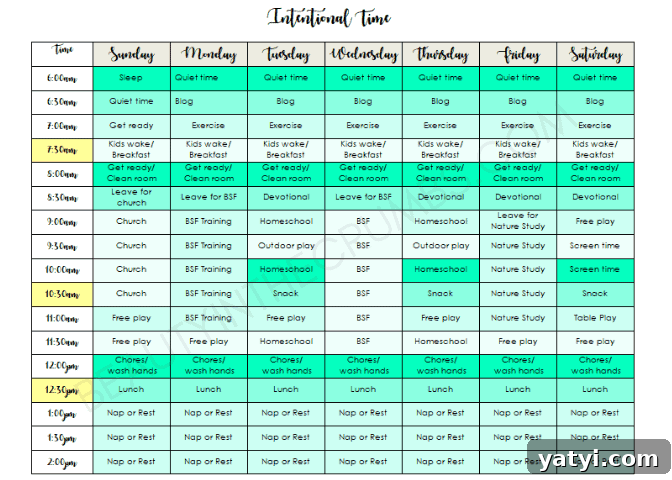
It’s a basic outline rather than an itemized to-do list. Notice that meal times are highlighted—those anchor our day. I also include short blocks for myself (marked M). Most days look similar, so I often copy the same plan across multiple days.
This outline doesn’t include every detail—appointments, special activities, or specific chores—but it helps me keep the day moving without feeling frantic.
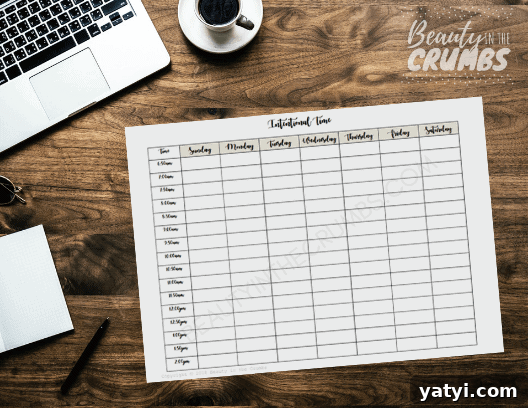
FREE Intentional Time Blocking Printable
Message me if you’d like a more detailed breakdown of how these blocks look for our family.
2. Hold said plan loosely
This matters. A schedule that breaks because of a meltdown, illness, or a spilled bath doesn’t mean you’re failing. People affect each other’s days—especially young children who are unpredictable and dependent.
Examples of common disruptions:
- Meltdowns that take a long time to resolve
- Cleanup time turning into another play session
- Accidents that require redoing routines (hello, bathtub mishaps)
- Toddlers undoing folded laundry
- Missing shoes or unexpected sickness
But not all disruptions are bad.
Sometimes an unplanned cuddle, an extended story time, or an impromptu dance party is exactly what your family needs. The goal is to keep structure where it helps, but be willing to bend when the important moments arrive.
Hold your plan loosely: engage with the people you live with and be flexible while preserving as much routine as possible.
3. Seriously limit social media and TV
Social media and streaming shows are major time sinks. They drain productivity if they happen by default rather than by design.
When TV or scrolling interferes with your job as a parent, it’s gone too far.
I used to watch Netflix during nap time every single day and let the rest of the house slide. That kind of routine would get you fired in any other job. Relaxation is important, but plan it purposefully. If you know you’ll veg during nap time, prep dinner and get chores done earlier so you can relax guilt-free.
Be mindful of how often you fall into automatic scrolling or watching. If it becomes a habit that undermines your priorities, reel it in with gentle boundaries and self-compassion.
Strategies that helped me:
- Keep your phone out of sight
- Schedule specific times to check social media or watch shows
- Use a timer so you don’t lose track of time
With those adjustments I spend less time online and more time doing the things that matter. And life continues—friends still exist, dinner still gets made, and the shows will be there when you plan for them.
4. Have three priority tasks
There are always a million things to do, but picking three non-negotiable priorities gives focus and prevents overwhelm.
Each morning, after quiet time, I choose the three tasks I must complete that day. Before taking a break, I check those off. If they’re done, I can rest without guilt. If not, I decide whether to push through, rearrange, or accept that some tasks will wait.
How I choose the top three
I ask simple questions:
- What is most important today?
- What can’t wait until tomorrow?
- Are there deadlines?
Often my priorities are meal-related—planning or cooking—or running an essential errand like grocery shopping. I use a paper planner and sometimes a task app; write the priorities down so you can glance at them throughout the day.
Experiment with tools and formats until you find what helps you focus. The key is choosing and following your top three.
Now it’s your turn. What helps you maintain routine in your home? Have you found a perfect planner? Share what works for you.