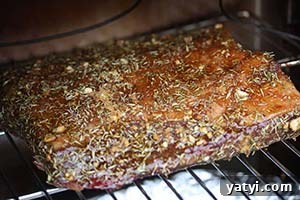
How does meat placement affect barbecue? Does it even matter? This guide explains whether you should place your brisket fat side up or fat side down and why it matters for flavor, bark formation, and moisture.
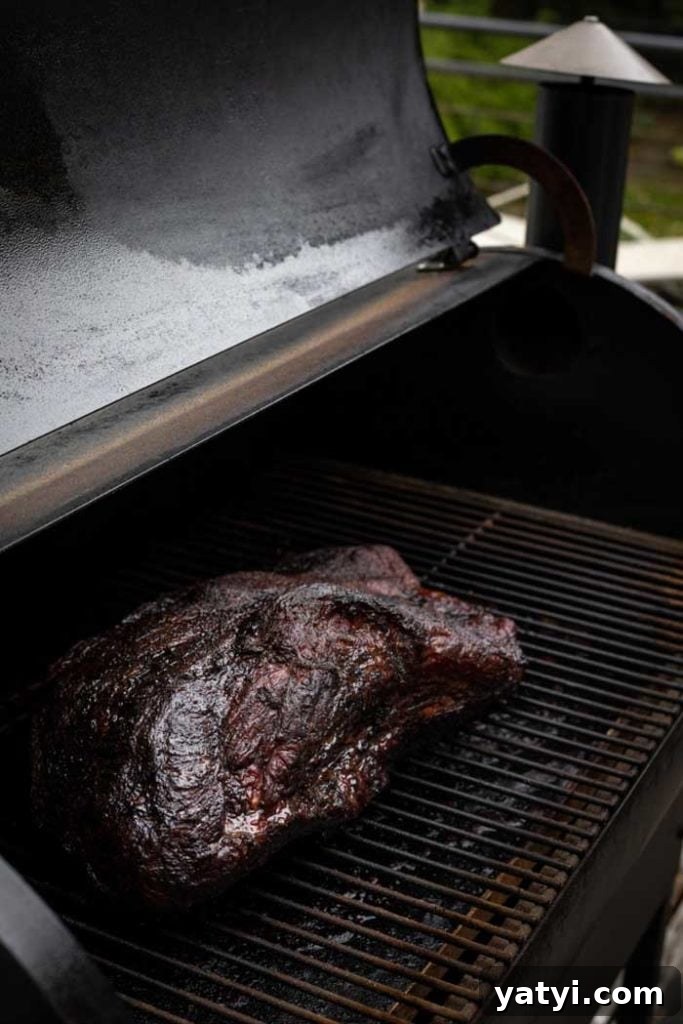
Barbecue culture thrives on debate. From smoking temperatures to trimming techniques, there are always different schools of thought. One long-running question among pitmasters and weekend smokers alike is: should you smoke brisket fat side up or fat side down?
The simple, evidence-based answer is this:
Place brisket with the fat cap facing down. Fat does not penetrate meat during cooking, so cooking fat side up won’t keep the brisket moister. Instead, rendered fat tends to run off, washing seasoning away and inhibiting bark formation.
That conclusion may surprise beginners who assume rendered fat bastes the meat. It can seem logical that melting fat would seep into the underlying muscle, but the science and many experienced cooks tell a different story. Below I’ll explain the reasons behind the debate and how to choose the best placement for your smoker and goals.
Why is there disagreement?
The debate starts with brisket anatomy. A whole brisket contains two distinct muscles: the point, which is fattier, and the flat, which is relatively lean. Because these two portions have very different fat content and thickness, cooks must decide whether to separate and cook them individually or leave the whole brisket intact.
Some cooks trim and separate the point and flat so each piece cooks optimally. Others, including many noted pitmasters, prefer to smoke the whole brisket with minimal trimming. These differing approaches naturally lead to different philosophies about which side to orient toward the heat.
Why cook brisket fat side up?
The most common argument for fat side up is that the fat cap will melt, and the liquefied fat will baste the meat, keeping it juicy. It’s an intuitive idea and one that’s been passed around among home cooks for years.
However, tests and explanations from barbecue science indicate this is a myth. Melted fat usually runs off the surface rather than soaking into the muscle. That runoff can carry seasoning away and limit the development of a consistent, flavorful bark. For those reasons, fat-side-up placement often works against the goals of flavor concentration and attractive bark.
Why cook brisket fat side down?
Placing the fat cap down addresses several practical concerns. First, it prevents rendered fat from washing away the rub and surface seasoning. Second, fat that melts toward the heat source can drip into a water pan or coals and create flavorful smoke that moves through the smoker and flavors the meat indirectly.
Additionally, the fat cap can act as a heat shield when heat comes from below. That protective layer helps the leaner portions of the brisket warm more gradually, reducing the risk of drying out and giving the surface time to form a rich bark. Overall, fat-side-down tends to support better seasoning retention, bark development, and controlled cooking.
What kind of smoker are you using?
Your smoker style can influence the best orientation. In many vertical or pellet smokers, heat comes from underneath the grates, so placing the fat side down offers the protective benefits described above. For offset smokers, where the firebox sits to one side and heat and smoke flow horizontally across the meat, some cooks choose fat side up because the direct radiant heat pattern differs.
Still, even with offset smokers many experienced brisket cooks prefer fat-side-down because it preserves the rub and encourages consistent bark development. Consider the heat source and airflow in your specific smoker, but don’t rely on fat-side-up as a shortcut for moisture retention.
The final verdict
So which is better—fat side up or down? The practical, science-backed recommendation is to cook brisket fat side down in most situations. Rendered fat does not penetrate the meat and tends to run off, which can strip flavoring and prevent bark formation. Placing the fat cap down helps protect leaner muscle from direct heat, preserves the rub, and supports the development of a flavorful bark.
If you’re concerned about internal moisture, consider using an injection or other targeted technique rather than relying on fat placement to baste the meat. Ultimately, consistent temperature control, proper trimming, and good timing are far more important to brisket success than whether the fat cap faces up or down.