Cultivated for centuries by Buddhist monks, monk fruit has recently become a popular natural, non-nutritive sweetener — meaning it provides sweetness with virtually no calories. It can be a useful sugar alternative for people aiming to reduce added sugars, lower calorie intake, or manage blood glucose levels.
If you’re not familiar with monk fruit, here’s a clear overview:
What is Monk Fruit?
Known traditionally as luo han guo, monk fruit is a small, green gourd-like melon grown in southern China. Its extract is intensely sweet — often cited as up to 200 times sweeter than table sugar — yet contains essentially zero calories, which makes it attractive for baking and use in sugar-free foods and beverages.
The sweetness comes primarily from compounds called mogrosides, especially mogroside V. Mogrosides are naturally occurring antioxidant molecules. During processing, the fruit’s flesh is crushed to produce a mogroside-rich juice that is concentrated into monk fruit extract, which is then used as a sweetening ingredient.
On ingredient labels it may appear as monk fruit or luo han guo. You’ll find it in sweetened beverages, baked goods, yogurts, salad dressings, jams, ice cream, hard candies, and chocolates. Products labeled “sugar free” may include monk fruit, but not all products using monk fruit are entirely free of sugar, so always check the label.
Benefits of Monk Fruit
Monk fruit extract can be a helpful option for people managing diabetes, elevated blood sugars, or anyone aiming to cut added sugars. Some laboratory and animal research suggests mogroside V has low glycemic properties and may stimulate insulin secretion, supporting blood sugar regulation. Other preliminary studies indicate mogrosides may exert antioxidant effects that reduce oxidative stress, a factor linked to chronic disease. More human research is needed to confirm these potential health benefits.
Although often marketed as “zero calorie,” monk fruit extract technically contains about 2 calories per teaspoon, a level the FDA treats as essentially zero. This makes it practical for replacing sugar in beverages like coffee or tea and in recipes where you want to reduce calories without losing sweetness.
Is Monk Fruit Extract Safe?
Yes. Monk fruit extract has received GRAS (generally recognized as safe) designation from the U.S. Food and Drug Administration, and it is considered safe for most people, including children and pregnant or breastfeeding mothers. Health authorities in New Zealand, Canada, and Australia also recognize its safety for consumption.
Is Monk Fruit Extract Pure?
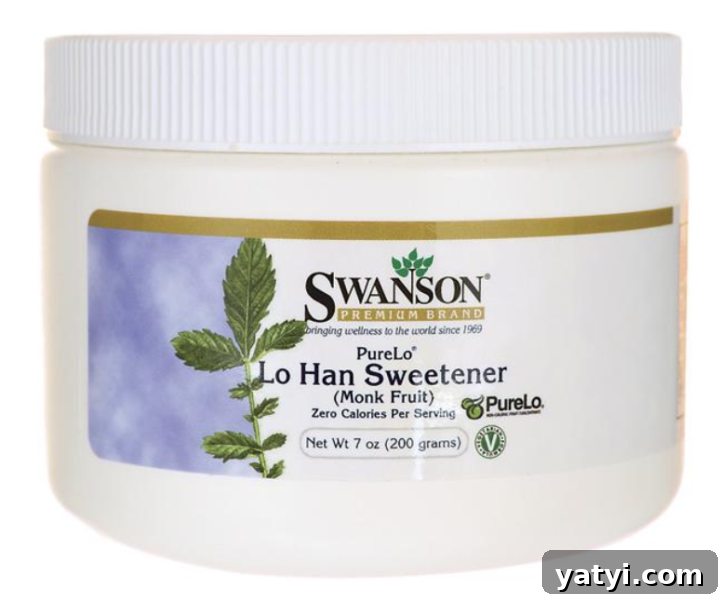
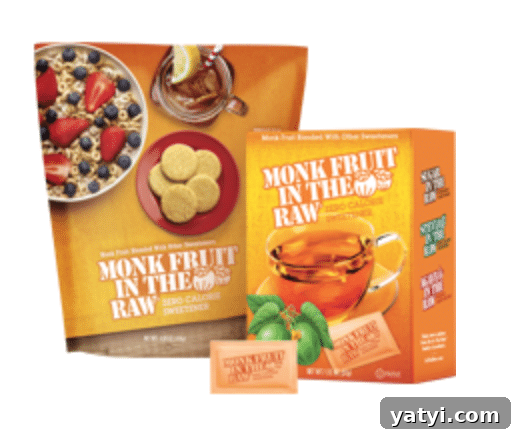
Monk fruit sweeteners come in powdered, granular, cubed, and liquid forms. Not all products are pure monk fruit extract — some brands blend monk fruit with bulking agents such as dextrose, maltodextrin, molasses, allulose, or even table sugar to mimic sugar’s texture and sweetness or to make measuring easier for baking.
Because of such blends, a product marketed as monk fruit may not be 100% pure monk fruit extract. Read ingredient lists carefully if you want a pure form. Some widely available branded products combine monk fruit with other ingredients to create a 1:1 sugar substitute for convenience in recipes.
How Do I Use Monk Fruit?
Monk fruit works well in beverages, baked goods, oatmeal, and anywhere you’d normally use sugar. Many formulated monk fruit blends are designed as a 1:1 substitute for sugar, eliminating complicated conversion charts.
Monk fruit is flexible in recipes: use it for muffins, cakes, sauces, or to sweeten yogurt and dressings. Because pure monk fruit extract is intensely sweet, powdered extracts and liquid drops are recommended for coffee and tea where only a small amount is needed.

The Bottom Line: Should You Use Monk Fruit?
Monk fruit extract is generally safe, provides minimal calories, and does not raise blood glucose like sugar. It can be a useful tool for reducing overall calorie and added sugar intake. Be mindful that some products may contain added sugars or bulking agents that can affect blood sugar, so check labels when managing diabetes or carbohydrate intake.
If you want to try monk fruit, consider whether you prefer a pure extract for drinks or a blended 1:1 product for baking. Experiment in small amounts to assess taste and tolerance.
If you are looking to try monk fruit, here are some options to consider:
My Favorite Monk Fruit Products
SOME OF THE LINKS BELOW ARE AFFILIATE LINKS. THIS MEANS THAT AT NO ADDITIONAL COST TO YOU, I WILL RECEIVE A SMALL COMMISSION WHEN YOU CLICK THROUGH AND PURCHASE SOMETHING. THIS HELPS SUPPORT THIS SITE. THANKS SO MUCH!
The Best Monk Fruit Sweetener for Baking
A 1:1 monk fruit baking blend can replace regular sugar in many recipes without conversion calculations. Some blends use allulose as a bulking agent to provide volume similar to sugar. Allulose is not fully metabolized and typically does not raise blood sugar, but large amounts can cause digestive upset in some people and may affect gut microbiota, so use in moderation.
The Best Golden Monk Fruit Sweetener (Instead of Brown Sugar)
For recipes that call for brown sugar, golden monk fruit blends mimic the color and flavor profile of brown sugar while offering a 1:1 substitution. These products often use bulking agents to match the texture and moisture of brown sugar.
The Best Pure Monk Fruit Extract for Coffee and Tea
Pure powdered monk fruit extract or liquid drops are convenient for sweetening coffee and tea because a small amount provides ample sweetness. Try gradually reducing added sweeteners in beverages over time — a splash of unsweetened milk or a sprinkle of cinnamon can help reduce reliance on sweeteners while enhancing flavor.
Shop My Favorite Monk Fruit Sweeteners
Explore a variety of monk fruit sweeteners to find the format and blend that best fit your cooking, baking, and beverage needs.