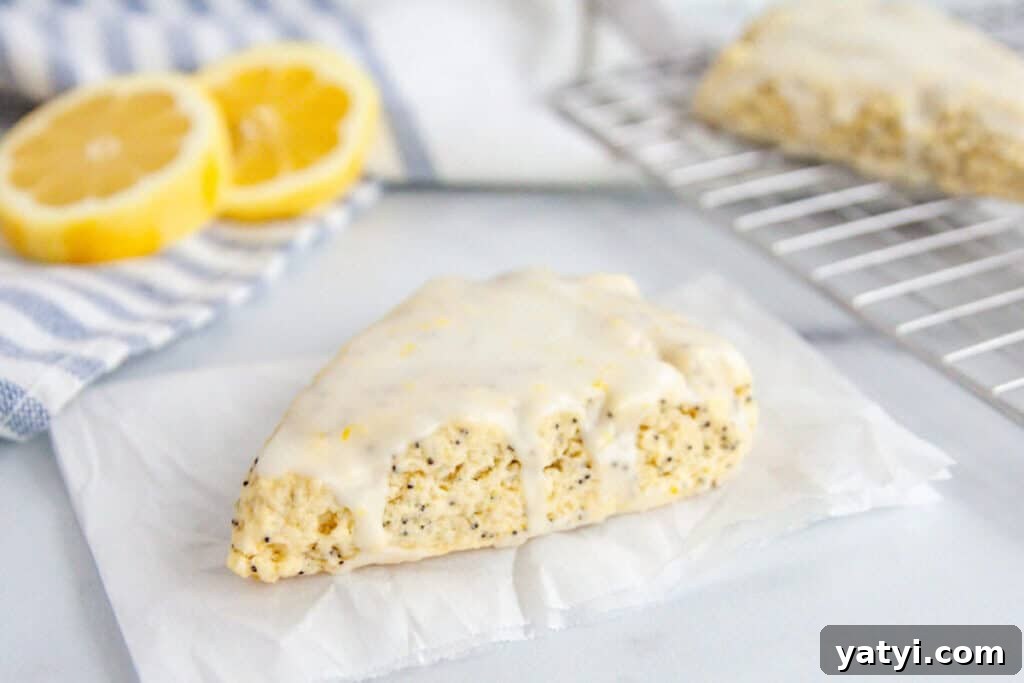
This lemon loaf recipe has been perfected after many tests to deliver bright lemon flavor and a tender, moist crumb. It combines the rich, buttery notes of a pound cake with the soft texture of a quick lemon bread. Inspired by Starbucks’ Iced Lemon Loaf, this homemade version tastes fresher and more natural.

This copycat Starbucks lemon loaf improves on the café original by avoiding an overly dense texture and artificial lemon extract notes. Instead, it focuses on real lemon zest and juice for a bright, clean flavor.
The loaf features a tender, moist crumb, a pronounced lemon tang throughout, and a thick lemon icing on top. It stays fresh for days and freezes well, making it great for meal prep or gifts.
Why this lemon loaf works
After repeated testing, a few technique and ingredient choices made the biggest difference:
- Balanced fats: Using both butter and oil gives the loaf great flavor plus lasting moisture. Reducing sour cream and thinning part of it with lemon juice preserves brightness without making the cake greasy.
- Zest-first flavor: Fresh lemon zest contributes most of the citrus intensity. Creaming zest with sugar and butter releases essential oils so the lemon flavor is evenly distributed without relying on extract.
- Moderate bake: Baking at 350°F in an 8×4″ pan ensures even rising and a moist center, while giving the top a gentle crack as it bakes.
- Thick lemon icing: A dense, lemon-forward glaze seals in moisture and adds the signature tangy finish. This icing uses real lemon juice and zest for a bright pop.
Together, these elements create a loaf that’s both rich and tender, with clean lemon flavor in every slice.
Ingredients you’ll need
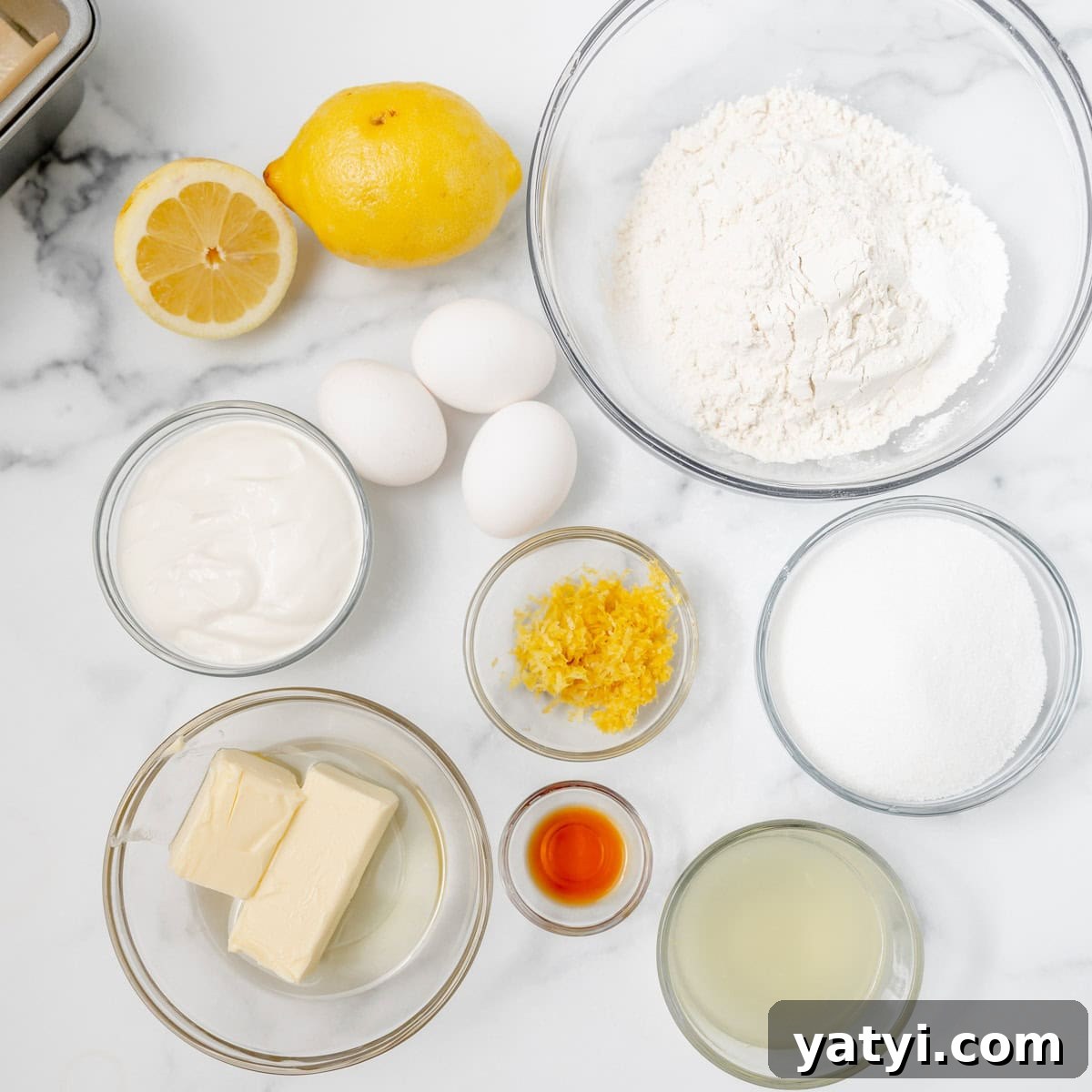
- All-purpose flour – yields a tender, moist crumb.
- Coarse kosher salt – if using table salt, halve the amount called for or use salted butter.
- Baking powder – for lift and lighter texture.
- Sour cream – adds moisture and a subtle tang.
- Fresh lemon juice – use fresh lemons for best flavor (about 3 large lemons for juice and zest).
- Vanilla extract – adds warmth and balance.
- White sugar
- Unsalted butter – softened to room temperature.
- Vegetable oil – keeps the loaf moist.
- Fresh lemon zest – the main source of lemon aroma and flavor; zest with a microplane for best results.
- Large eggs – at room temperature for even mixing.
- Powdered sugar – for the icing; combine with lemon juice and zest for a bright glaze.
Tip: Avoid zesting into the white pith — it’s bitter.
How to make the lemon loaf
Follow these steps for a classic iced lemon loaf.
Step 1: Preheat the oven to 350°F. Spray an 8×4″ loaf pan with cooking spray and line it with parchment, leaving an overhang to lift the loaf out later.
Step 2: Whisk together the flour, salt, and baking powder in a medium bowl. In a separate small bowl, combine the sour cream, lemon juice, and vanilla and whisk until smooth.
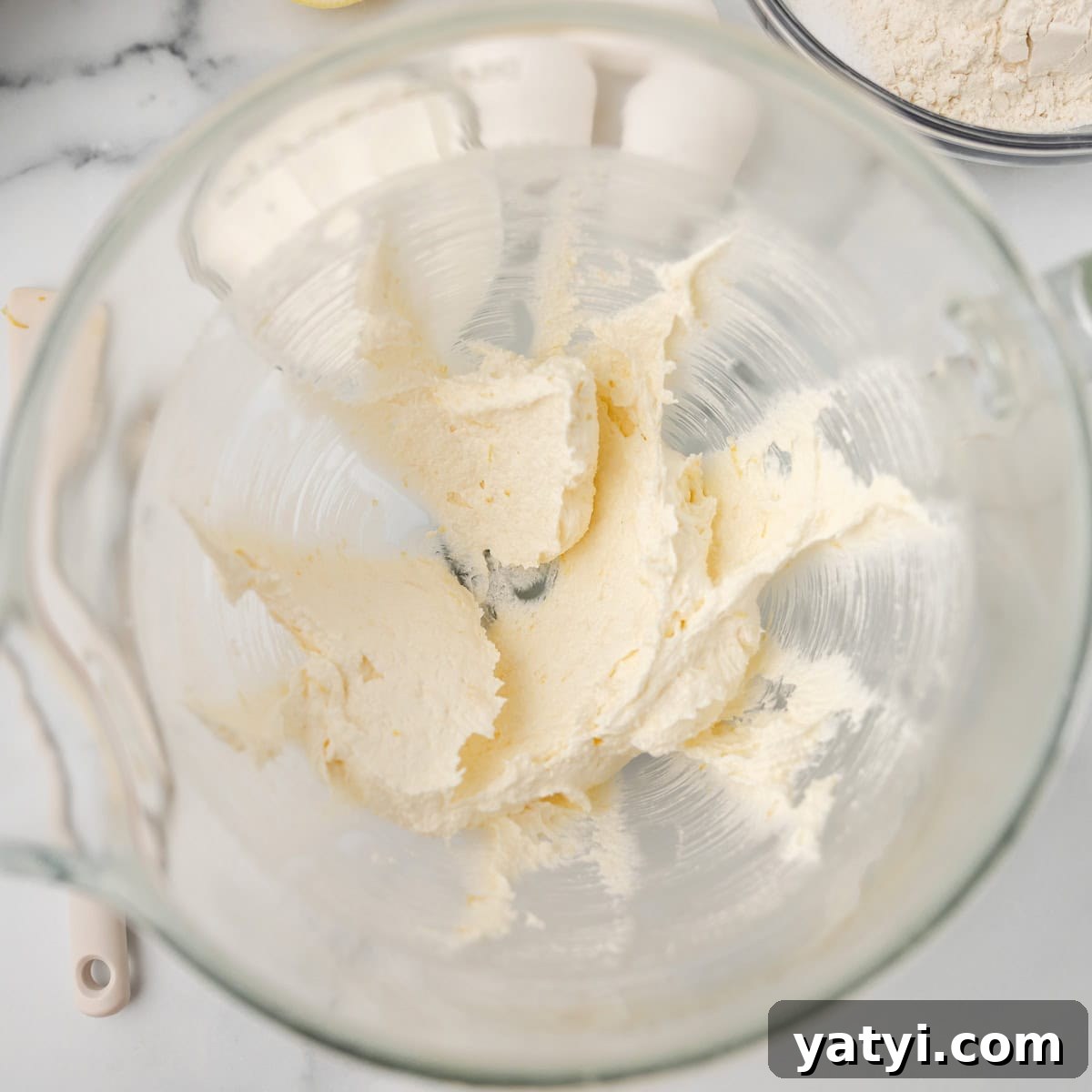
Step 3: In a stand mixer fitted with the paddle attachment, cream the softened butter, oil, sugar, and lemon zest on medium speed for about 2 minutes, until light and fluffy. Creaming the zest with the sugar helps release lemon oils for greater aroma.
Step 4: With the mixer on medium-low, add the eggs one at a time, mixing just until each is incorporated. Avoid overmixing.
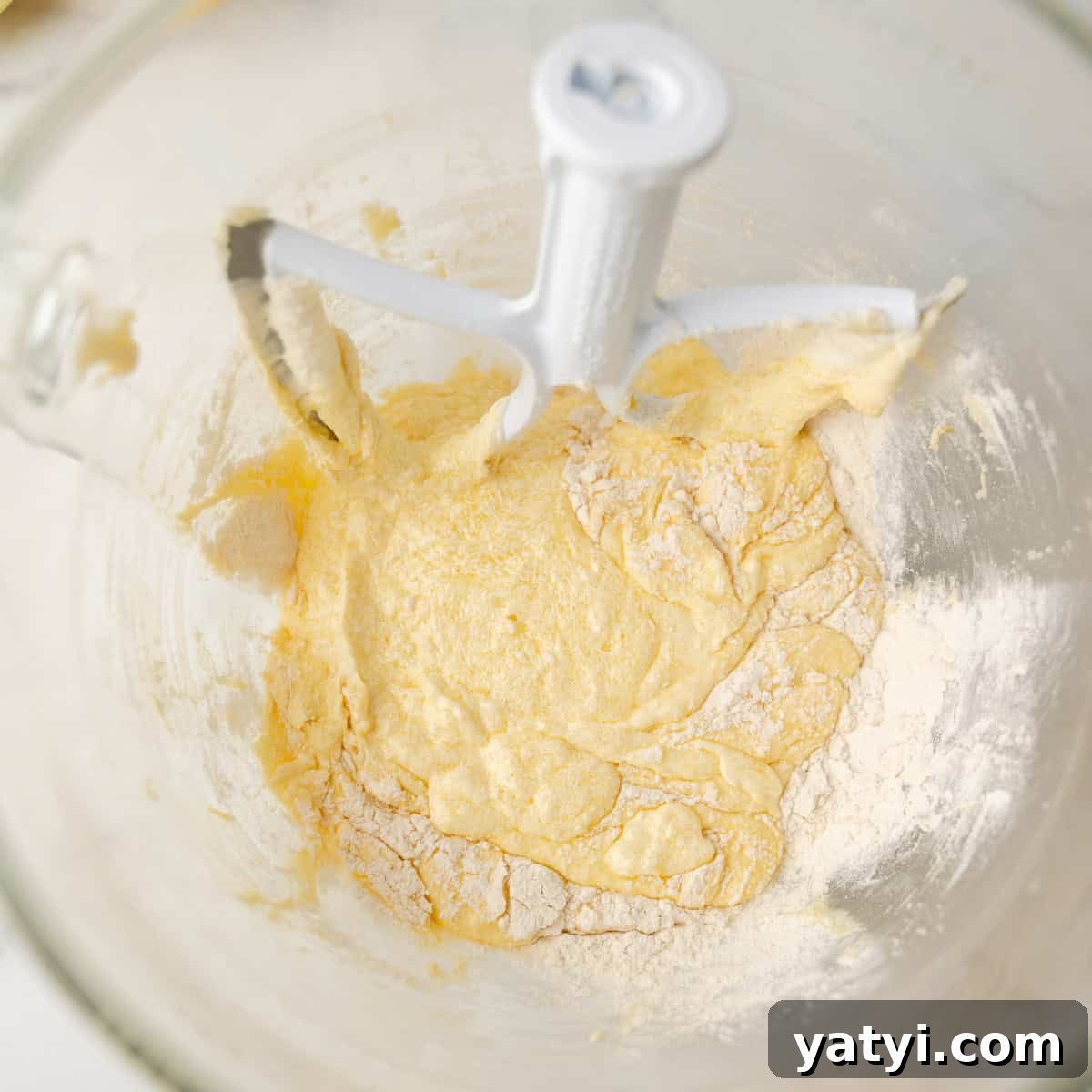
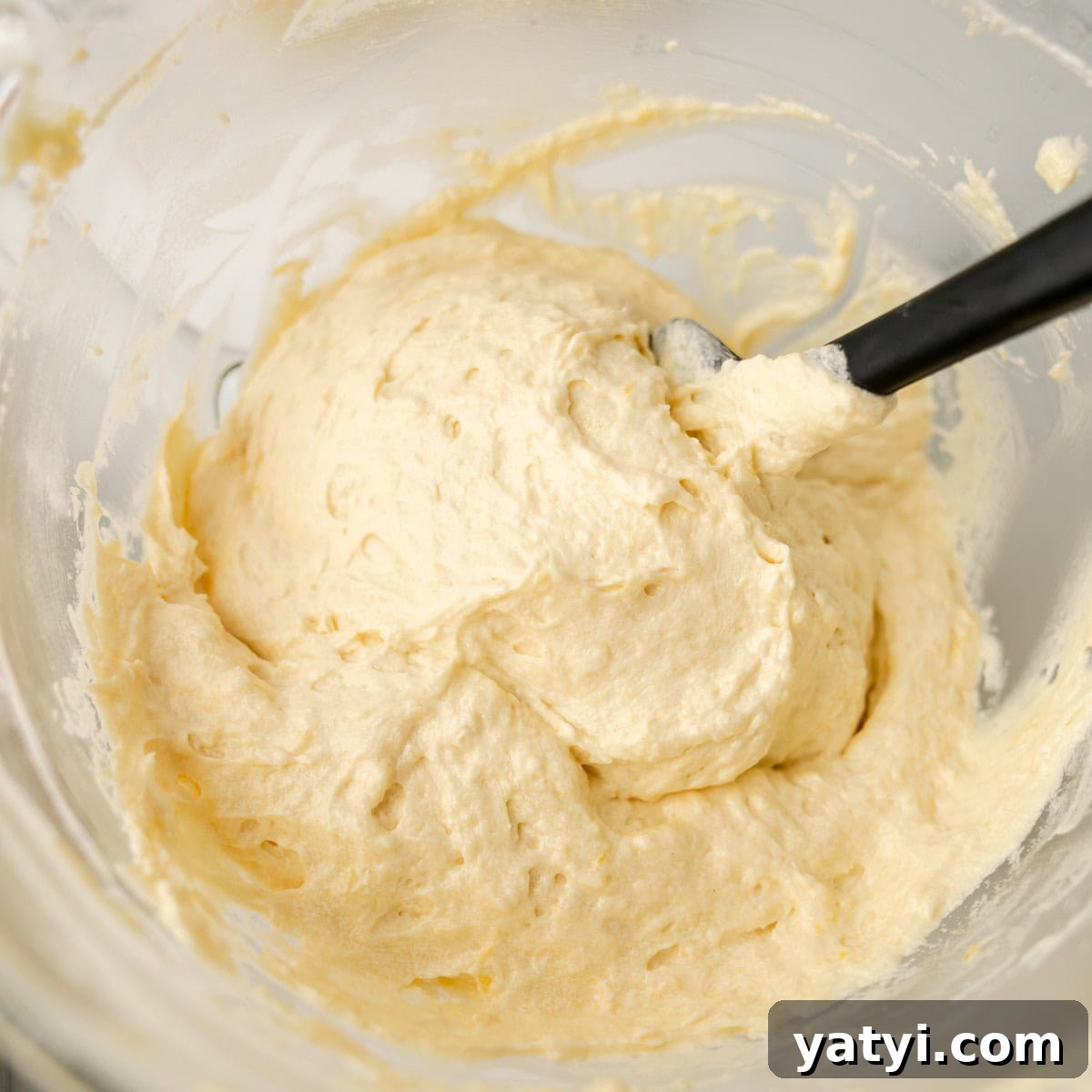
Step 5: Turn the mixer to low and alternate adding the flour mixture and the sour cream mixture, beginning and ending with the dry ingredients. Mix until just combined, then scrape the bowl with a rubber spatula and finish with a gentle manual stir.
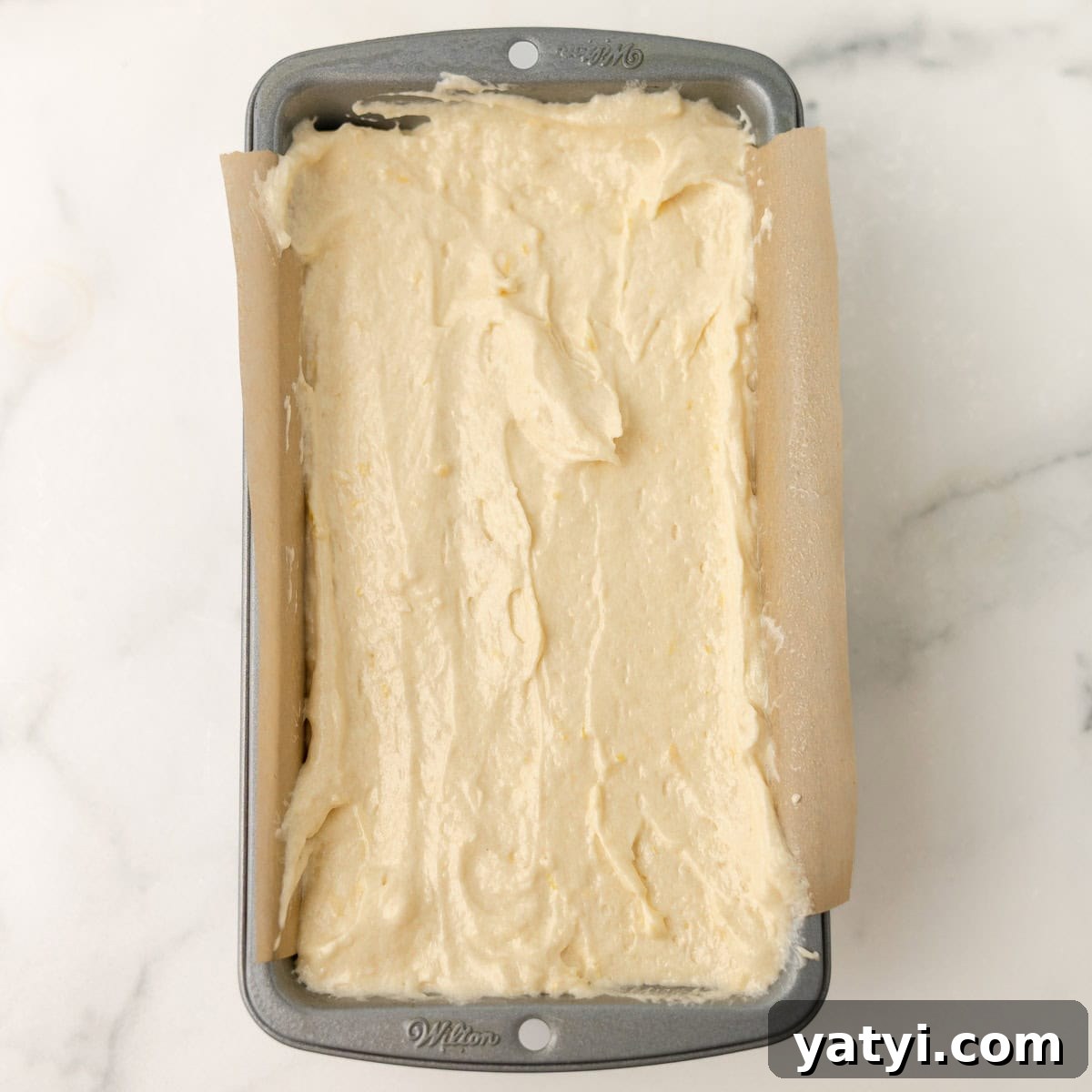
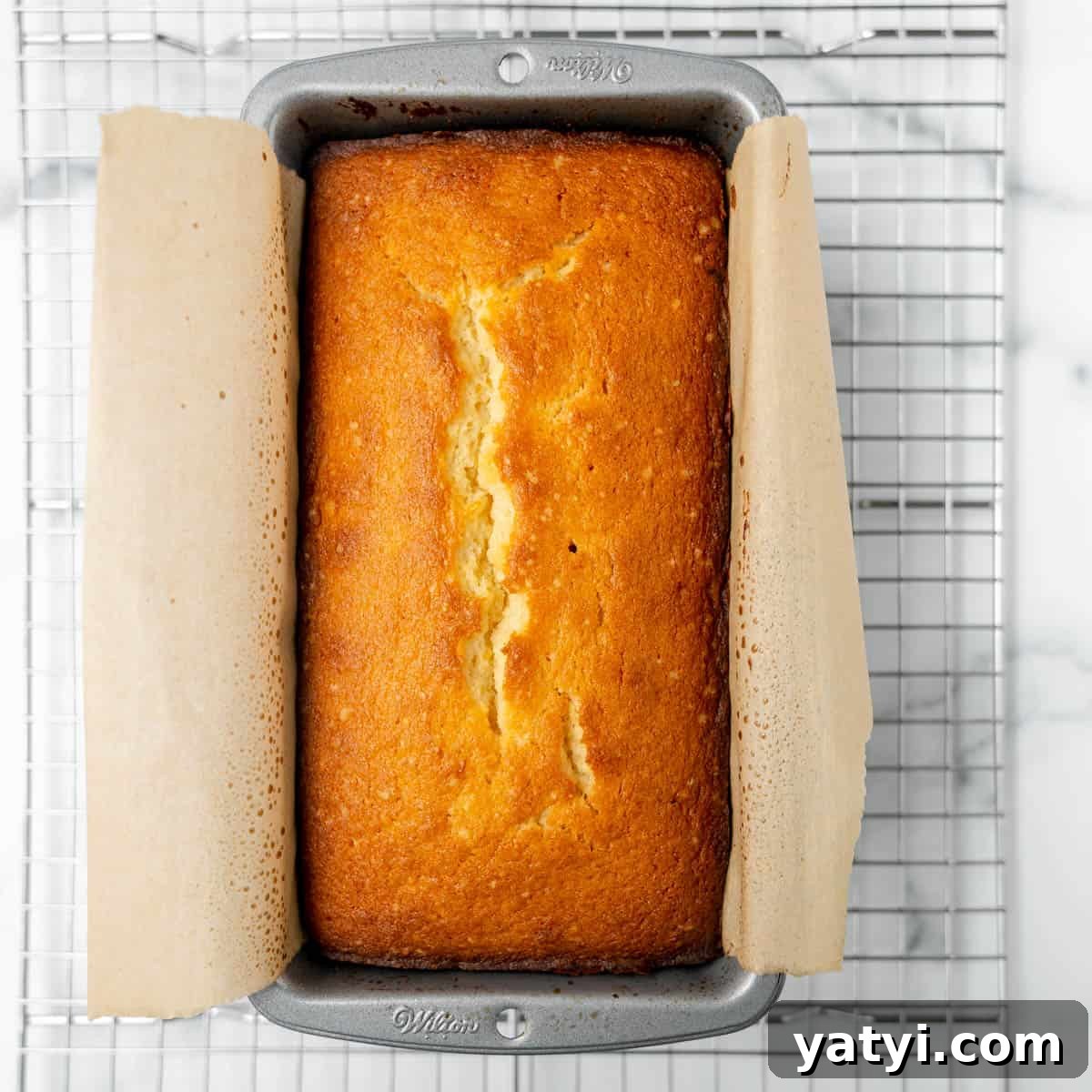
Step 6: Pour the batter into the prepared pan and bake at 350°F for 50–60 minutes, or until the loaf is golden and a toothpick inserted in the center comes out with moist crumbs. Let the loaf cool in the pan for 15 minutes, then lift it out with the parchment sling and cool completely on a wire rack.
Make the icing
In a small bowl, stir 1 cup powdered sugar with 1 tablespoon plus 1 teaspoon lemon juice and 1/2 teaspoon lemon zest. The icing should be thick but spreadable; add an extra teaspoon of juice if it’s too stiff. Spread the icing over the completely cooled loaf, slice, and serve.

How to make thick icing
Start with 1 tablespoon lemon juice mixed into the powdered sugar, then add more in one-teaspoon increments until the icing reaches a thick, spreadable consistency that won’t run off the spoon. Aim for a texture similar to cream cheese frosting.
Tips & tricks
- Use fresh lemons for maximum zest and juice.
- Bring butter and eggs to room temperature so they incorporate smoothly for a tender finish.
- You’ll need about three large lemons total—two for juice and three for zest (the same lemons often provide both).
- Allow the loaf to cool completely before icing to prevent the glaze from melting off.
How to tell when the loaf is done
Check the loaf around 45 minutes. Gently press the top — it should spring back. Insert a toothpick into the center: you want moist crumbs, not wet batter. If the toothpick comes out completely clean, the loaf may be overbaked. If the top browns too quickly, tent loosely with foil and finish baking.
Tip: Tent with foil if the top gets too dark before the center is set.
Storage
Store slices in an airtight container at room temperature for up to 3 days, or refrigerate for up to 5 days. For longer storage, freeze the whole loaf or individual slices for up to 3 months.
Freezing whole loaf: Cool completely, then freeze unwrapped for about 2 hours to set the icing. Double-wrap in plastic and foil to prevent freezer burn.
Freezing slices: Place parchment between slices and store in a freezer-safe container for easy grab-and-go portions. Thaw in the fridge before serving.

Substitutions and variations
- Swap whole-milk Greek yogurt for sour cream, or use buttermilk (but expect a thinner batter).
- Avoid bottled lemon juice; it lacks the fresh brightness of real lemons.
- For a thinner lemon drizzle instead of thick icing, add more lemon juice and reduce powdered sugar.
- You can bake in a 9×5″ pan for a shorter loaf; reduce bake time to 40–50 minutes and watch for doneness.
How to serve
This loaf is delicious on its own or served with fruit jam, fresh berries, or a scoop of vanilla or strawberry ice cream for dessert. It also pairs well with coffee or tea for brunch or an afternoon treat.
More lemon recipes

Blueberry Zucchini Bread With Lemon Glaze

Easy Lemon Bars with Graham Cracker Crust

Blackberry Lemon Cake