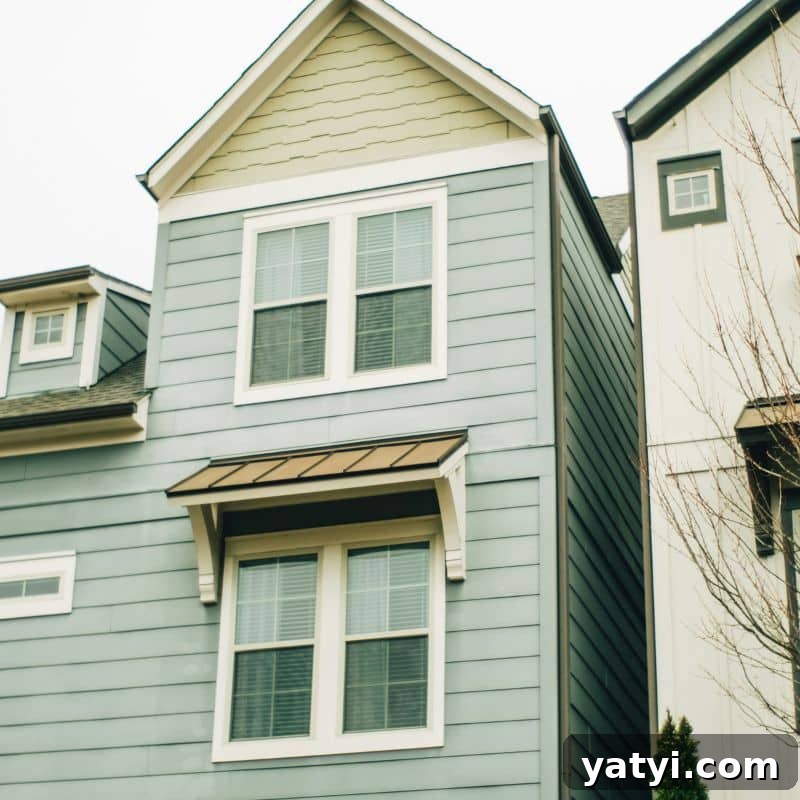
Your home’s siding does more than shield your house from the elements — it shapes curb appeal and contributes to thermal performance. Over time, weather, pests, and normal aging can degrade siding, reducing its effectiveness and appearance. Being able to spot the signs that siding needs repair or replacement helps you protect your investment and maintain your home’s value. The following guide outlines key indicators to watch for and when to consult professionals.
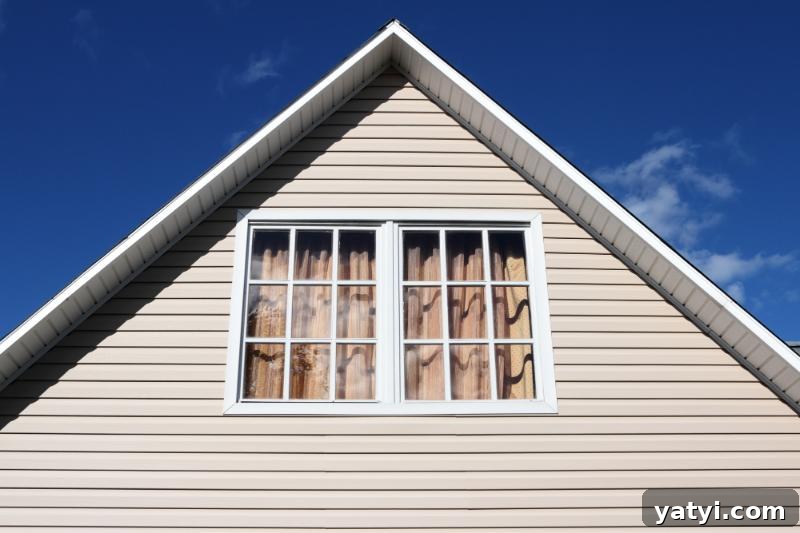
Visible Damage and Decay
Cracks, holes, rot, or warped panels are obvious signs that siding needs attention. These problems often stem from prolonged exposure to sun, wind, and rain, or from insect activity. Small issues left unattended can allow water to penetrate the building envelope, which can lead to mold, structural damage, and insulation loss. If you see significant deterioration or widespread damage, a full siding replacement may be the most reliable long-term solution.
Rising Energy Costs
Siding contributes to your home’s insulation. When it becomes damaged or loses its integrity, your heating and cooling systems must work harder, which often shows up as higher utility bills. Noticeable drafts, uneven indoor temperatures, and sudden increases in energy costs can indicate compromised siding or inadequate insulation behind it. Upgrading to insulated siding products or materials with better thermal performance can improve comfort and reduce long-term energy expenses. Have a professional evaluate your siding and insulation to determine the most effective upgrade.
Fading and Discoloration
Sun, pollutants, and weathering gradually fade siding and can leave uneven discoloration across your exterior. While paint or surface cleaning can restore appearance in some cases, severe fading combined with other issues — like cracking or warping — may mean the siding is near the end of its useful life. Replacing faded siding with durable, fade-resistant materials such as composite or brick veneer can restore your home’s look and reduce maintenance needs.
When to Consult Exterior Contracting Professionals
Signs of structural damage, persistent moisture problems, or repeated deterioration warrant a professional assessment. Exterior contractors can perform a comprehensive inspection, identify underlying causes, and recommend appropriate repairs or replacement options. They also have access to a range of materials and installation methods, ensuring the work is done to current standards and helps prevent future issues. Consulting a reputable local contractor provides clarity on scope, cost, and timing for any siding project.
Mold and Mildew Growth
Mold or mildew on siding often signals trapped moisture or water infiltration. Dark stains or greenish growths, particularly in shaded or damp areas, are a health concern and a sign that the building envelope isn’t keeping moisture out. Addressing the source of moisture is essential; in many cases, this requires repairing or replacing compromised siding and correcting flashing, trim, or ventilation issues to prevent recurrence.
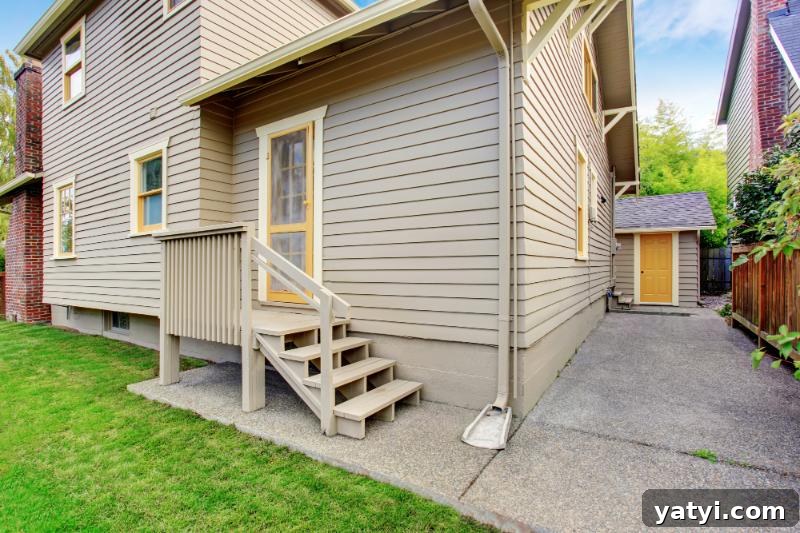
Warping and Buckling
Warped or buckled siding indicates material failure or improper installation and usually points to prolonged exposure to moisture or extreme temperature swings. These deformations create gaps where water and pests can enter and compromise the wall structure. If panels are visibly out of alignment or bulging, have a professional evaluate whether targeted repairs or full panel replacement is necessary.
Loose or Missing Panels
Panels that have come loose or are missing expose the underlying structure to the elements and can lead to rapid deterioration. Causes include severe weather, aging fasteners, or poor initial installation. Re-securing or replacing missing panels quickly helps prevent water intrusion and pest entry. When multiple areas are affected, a full siding replacement may be the most effective solution for restoring protection and efficiency.
Regular inspections and timely repairs help extend the life of your siding and protect your home’s structural integrity and appearance. Watch for visible deterioration, energy performance changes, discoloration, mold, warping, and loose panels. When in doubt, consult local exterior contracting professionals to get an accurate assessment and recommendations tailored to your home. Proactive maintenance and informed replacement choices will keep your home attractive, weather-resistant, and comfortable for years to come.