Arrowroot vs xanthan gum is where many substitutions fail. You swap one for the other and suddenly your sauce is runny or your gluten-free bake crumbles.
The cause is straightforward: these ingredients behave differently. Using the wrong thickener or the wrong ratio often causes texture problems.
Table of Contents
This guide gives a clear comparison, exact substitution ratios, and practical advice to get the texture you want.
Quick Answer
Choosing between xanthan gum and arrowroot comes down to the texture you need.
- Use arrowroot for sauces, gravies, clear glazes, and frying coatings where a light, glossy finish matters.
- Use xanthan gum for baking and structure, especially in gluten-free recipes where elasticity and binding are required.
Best Use Table
| Use Cases | Best Option |
|---|---|
| Sauces | Arrowroot |
| Baking | Xanthan gum |
| Gluten-free structure | Xanthan gum |
| Clear glaze | Arrowroot |
Xanthan Gum vs Arrowroot: Side-by-Side Comparison
Compare key features to pick the right thickener.
| Feature | Xanthan Gum | Arrowroot |
|---|---|---|
| Type | Gum | Starch |
| Best use | Baking | Sauces |
| Texture | Thick, elastic | Smooth, light |
| Heat stability | High | Medium |
| Clarity | Cloudy | Clear |
Xanthan gum builds structure and elasticity, making it essential in gluten-free baking to hold dough together. Arrowroot gives a smooth, glossy finish, ideal for clear sauces and glazes.
Heat affects them differently: arrowroot can lose thickening power if overheated, while xanthan gum thickens without heat and remains stable during long cooking or reheating.
What Is Xanthan Gum?
Understanding what xanthan gum is explains why it behaves so differently from starches.
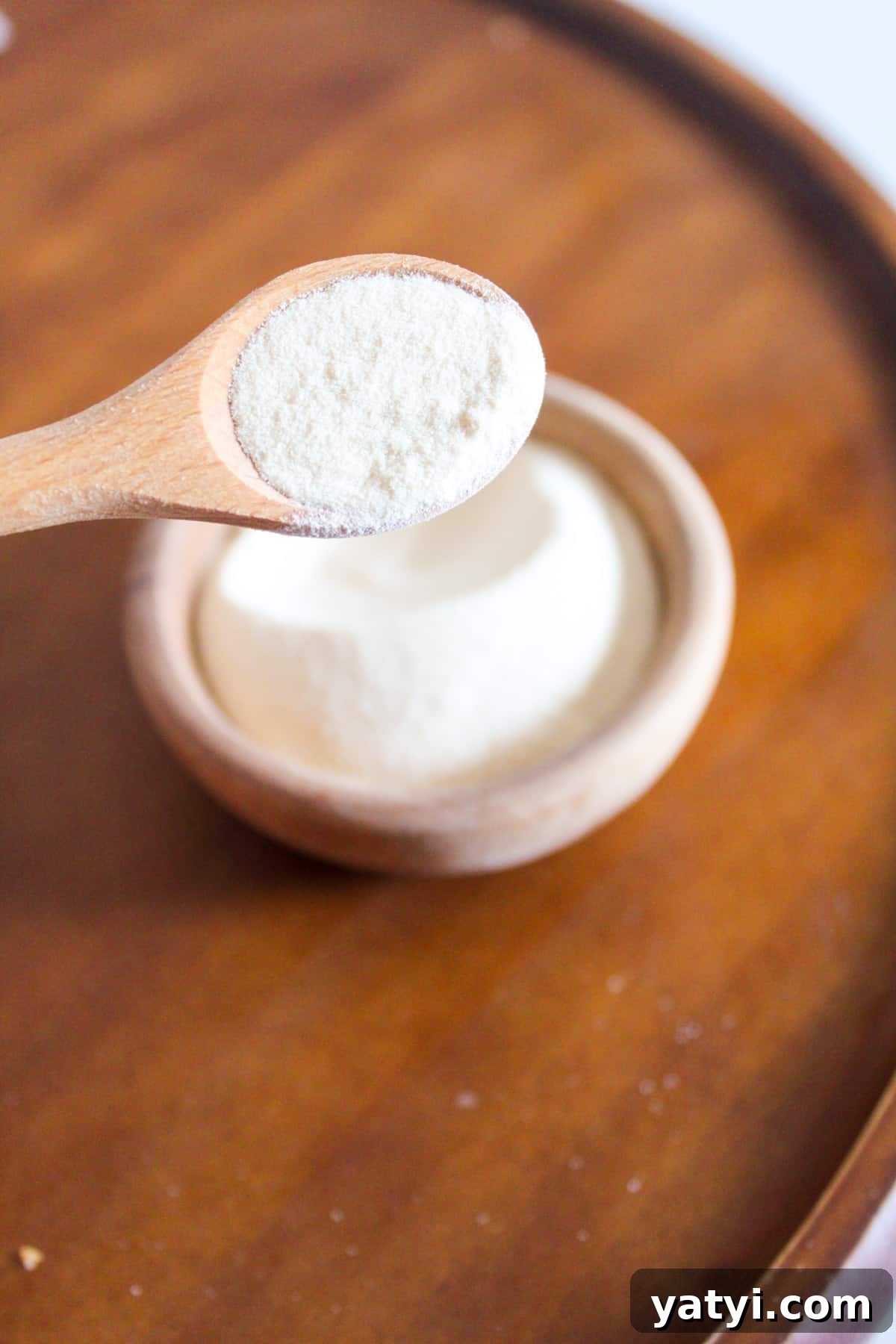
Xanthan gum is a fermented polysaccharide produced when certain bacteria ferment sugars. The result is a fine powder that thickens and stabilizes liquids in very small amounts.
Its strength lies in binding and building structure: it prevents separation, adds elasticity, and helps mixtures hold together — which is why it often replaces gluten in baking and stabilizes dressings and sauces.
Best Use Cases
Ideal applications for xanthan gum:
- Provides structure in gluten-free baking and prevents crumbling.
- Acts as an emulsifier to keep oil and water combined in dressings and sauces.
What Is Arrowroot Powder?
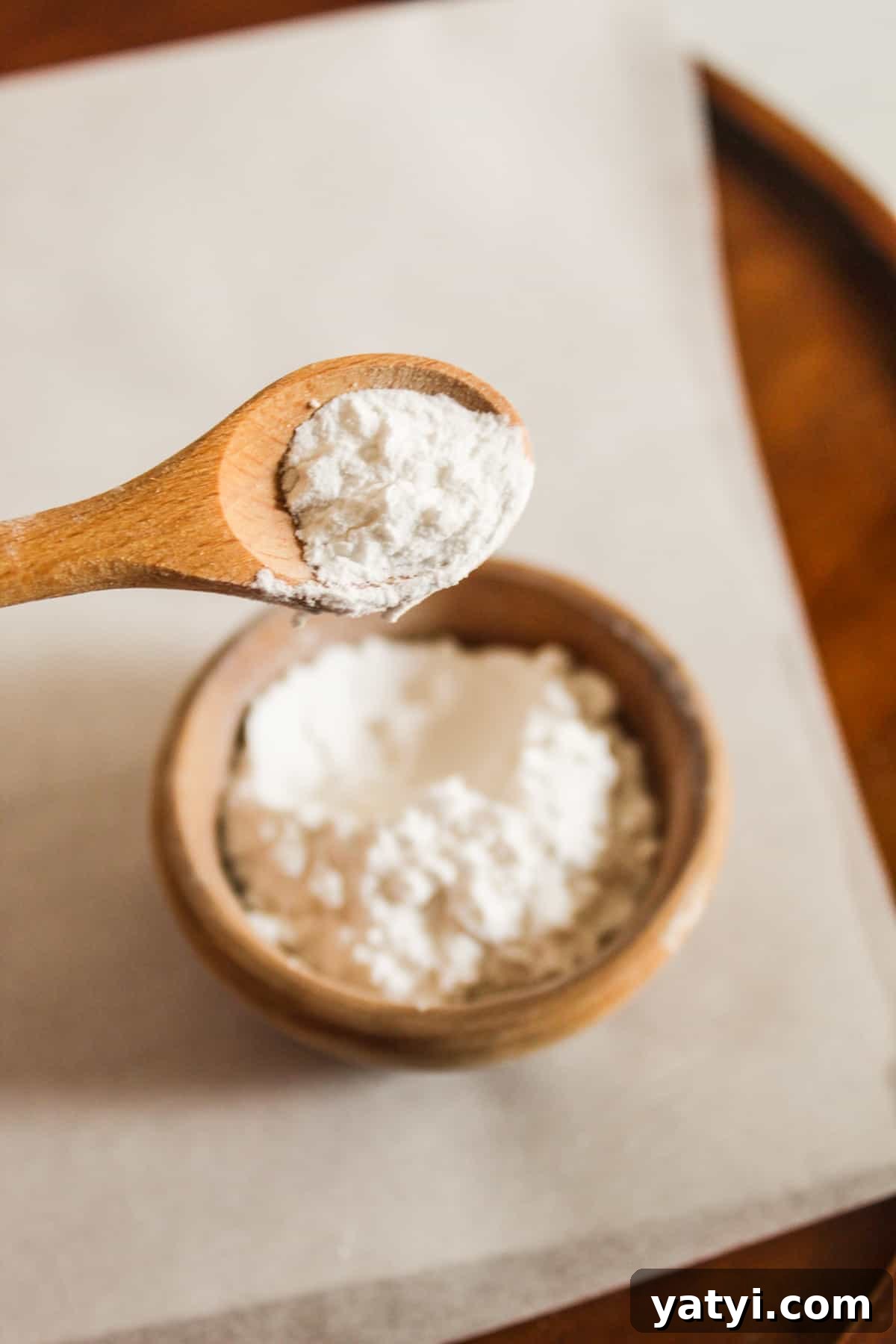
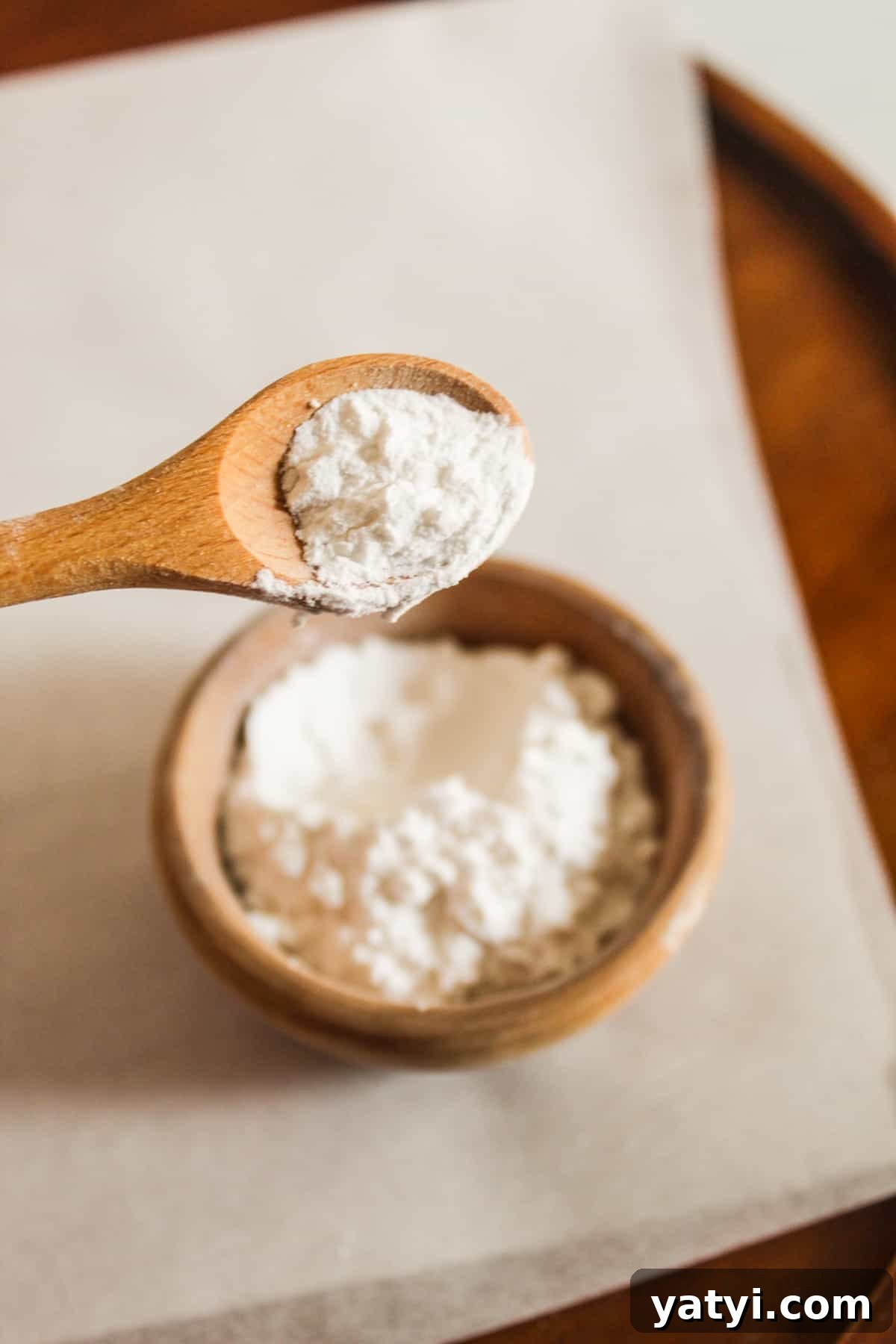
Arrowroot powder is a natural starch extracted from the roots of tropical plants. Processed into a fine white powder, it dissolves easily and thickens liquids without altering flavor.
It gives light, smooth thickening and a clear, glossy finish, so it’s preferred when appearance and texture matter.
Best Use Cases
Ideal applications for arrowroot:
- Sauces: thickens without heaviness.
- Gravies: smooth, lump-free finish.
- Clear glazes: preserves gloss and transparency.
When Is the Best Moment to Use Each Ingredient?
Practically speaking, the right choice depends on whether you need structure or a light finish.
When to Use Xanthan Gum
Use xanthan gum when:
- Gluten-free baking: dough needs structure.
- Dough binding: ingredients won’t stay combined.
- Preventing separation: liquids split over time.
Micro-Scenarios:
- If gluten-free bread crumbles when sliced, xanthan gum helps bind it.
- If batter won’t hold shape, xanthan gum adds elasticity.
- If a sauce separates after sitting, xanthan gum stabilizes it.
When to Use Arrowroot
Use arrowroot for situations that demand a light texture and clear appearance:
- Thickening sauces: smooth, light finish.
- Making clear glazes: maintain gloss and clarity.
- Frying coatings: crisp, clean exterior.
Micro-Scenarios:
- If a sauce is heavy or cloudy, arrowroot will lighten and clarify it.
- If a glaze looks dull, arrowroot restores shine.
- If a fried coating is dense, arrowroot produces a lighter crisp.
Best Substitute for Arrowroot Powder
When arrowroot isn’t available, pick a substitute that preserves the desired texture. Each option reacts differently to heat and acidity, so choose based on the recipe.
Reliable substitutes include:
1. Cornstarch
Cornstarch is the most common substitute for sauces, soups, and gravies. It thickens reliably but can be heavier and less glossy than arrowroot, and it may break down in acidic preparations or after freezing.
2. Tapioca Starch
Tapioca starch closely matches arrowroot’s smooth, glossy texture and works well in pie fillings and sauces. Use it carefully to avoid a slightly stretchy or sticky result if overused.
3. Xanthan Gum
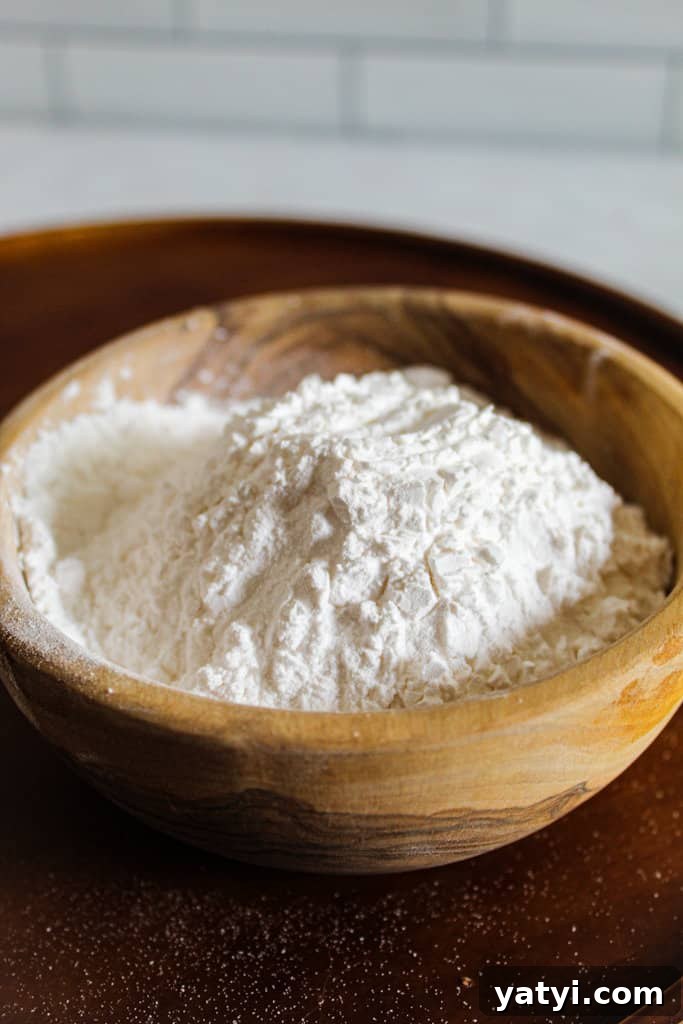
Xanthan gum is useful when you need structure and stability, especially in gluten-free baking. It behaves very differently from arrowroot in sauces and can become slimy if overused.
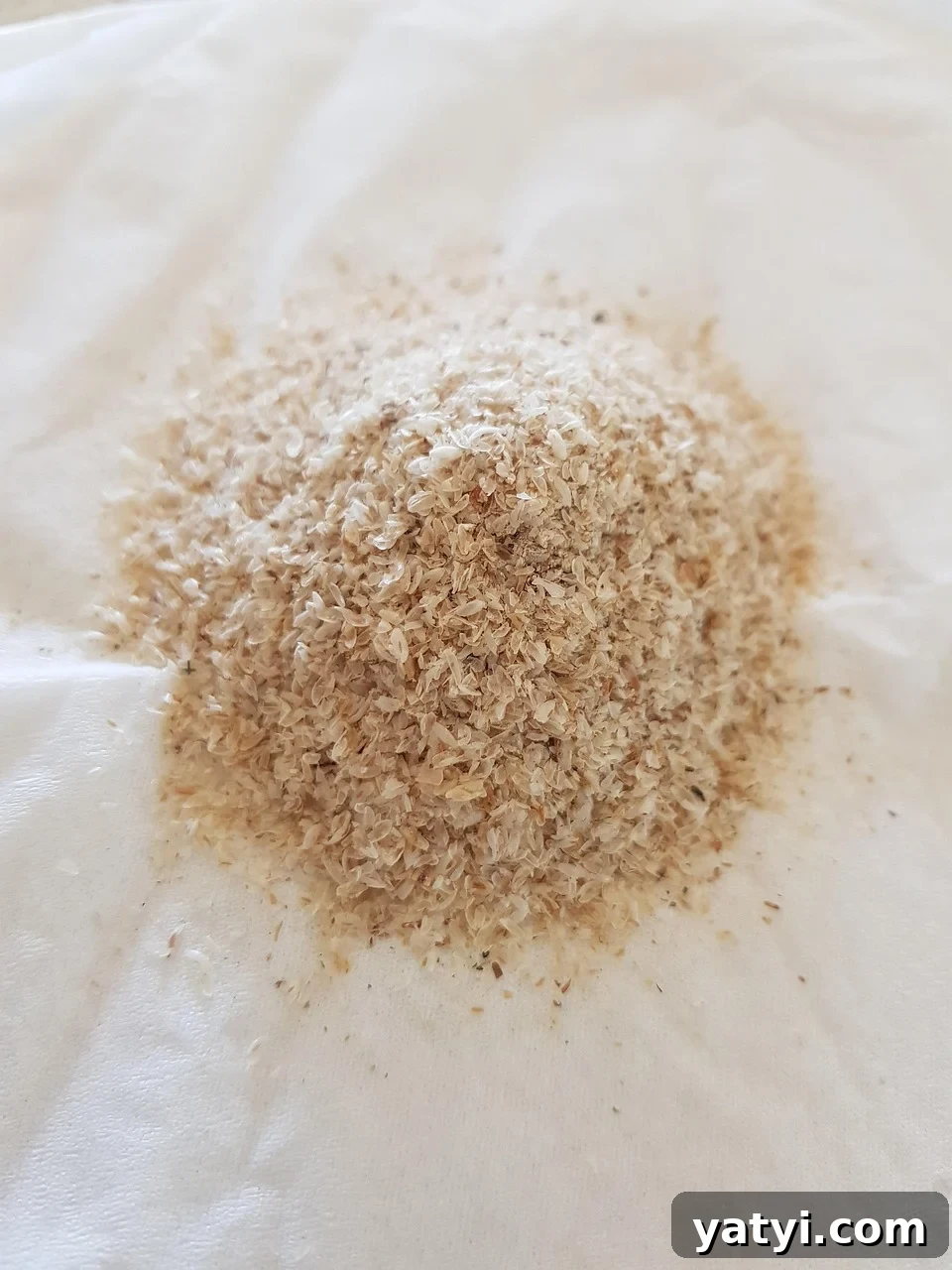
4. Psyllium Husk
Psyllium husk binds and retains moisture in baking, making it useful for doughs. It is not suitable for clear sauces, as it creates a denser, slightly fibrous texture.
How to Substitute Xanthan Gum for Arrowroot
Xanthan gum is very concentrated, so measure carefully. Small errors change texture dramatically.
Exact Ratio
- ¼ teaspoon xanthan gum = 1 tablespoon arrowroot
Arrowroot is a starch and needs more volume to thicken. Xanthan gum forms a binding network and thickens quickly, so start with less, mix thoroughly, and only add more if needed. Overuse is hard to reverse.
Comprehensive Substitution Chart
Quick reference for replacing arrowroot:
| Replace Arrowroot With | Ratio |
|---|---|
| Xanthan gum | ¼ tsp per 1 tbsp |
| Cornstarch | 1:1 |
| Tapioca Starch | 1:1 |
Xanthan Gum vs Arrowroot: How They Behave With Heat
Heat is a major practical difference: it affects whether a thickener holds up during cooking or reheating.
Arrowroot
Arrowroot thickens at relatively low temperatures but becomes unstable with prolonged heat. If a sauce turns thin, it was likely overheated after thickening or left simmering too long.
Xanthan Gum
Xanthan gum thickens on contact with liquid and does not require heat. It remains stable across a wide temperature range, so it’s more predictable in dishes that are cooked for longer or reheated.
Real Cooking Examples You Can Learn From
Practical examples show how each ingredient affects the final dish.
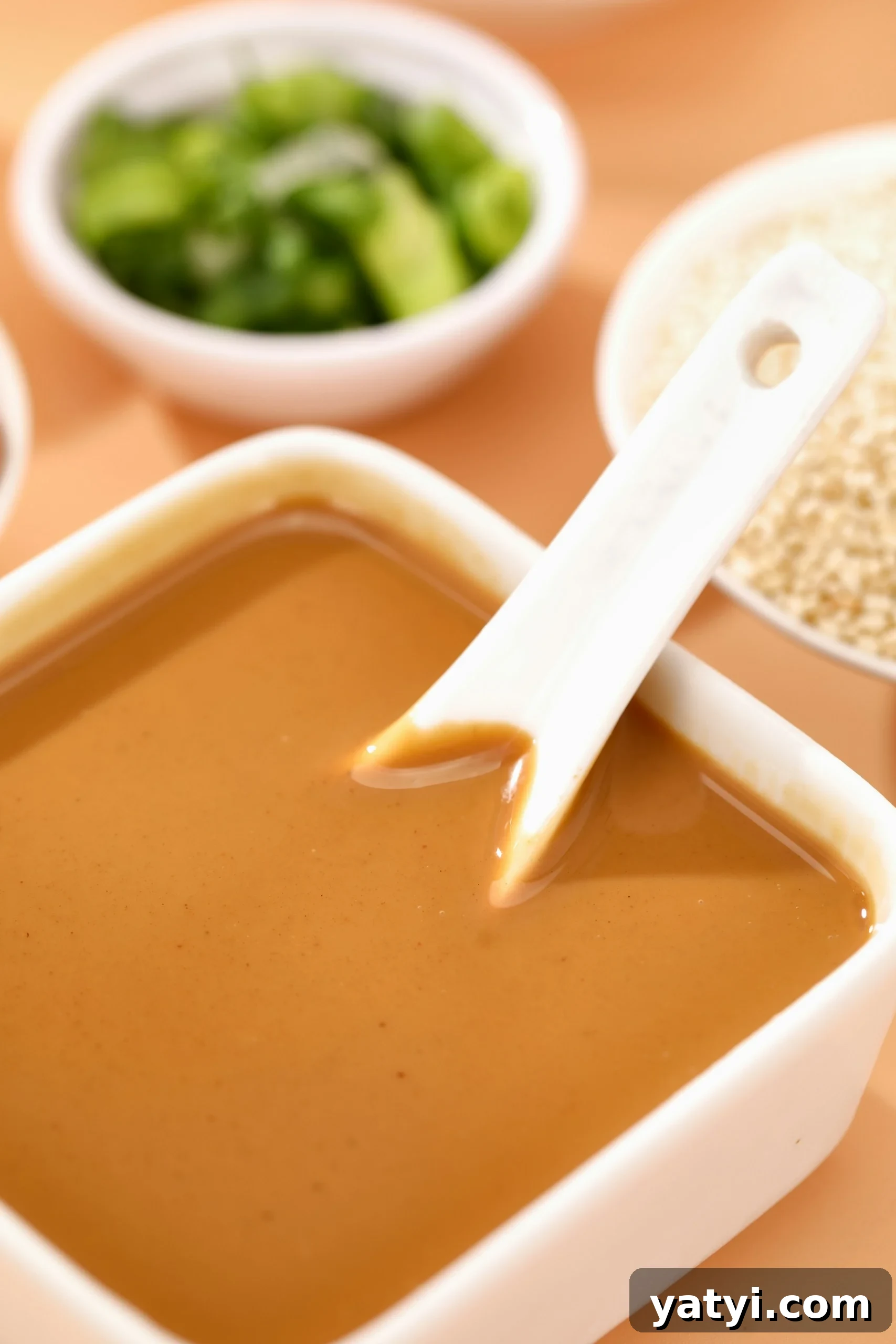
Example 1: Sauce
Need a sauce that stays smooth and clear after cooking? Arrowroot is the better choice because it thickens without cloudiness and keeps a light consistency when used correctly.
- Result: Clean finish, no heaviness.
Example 2: Gluten-Free Bread
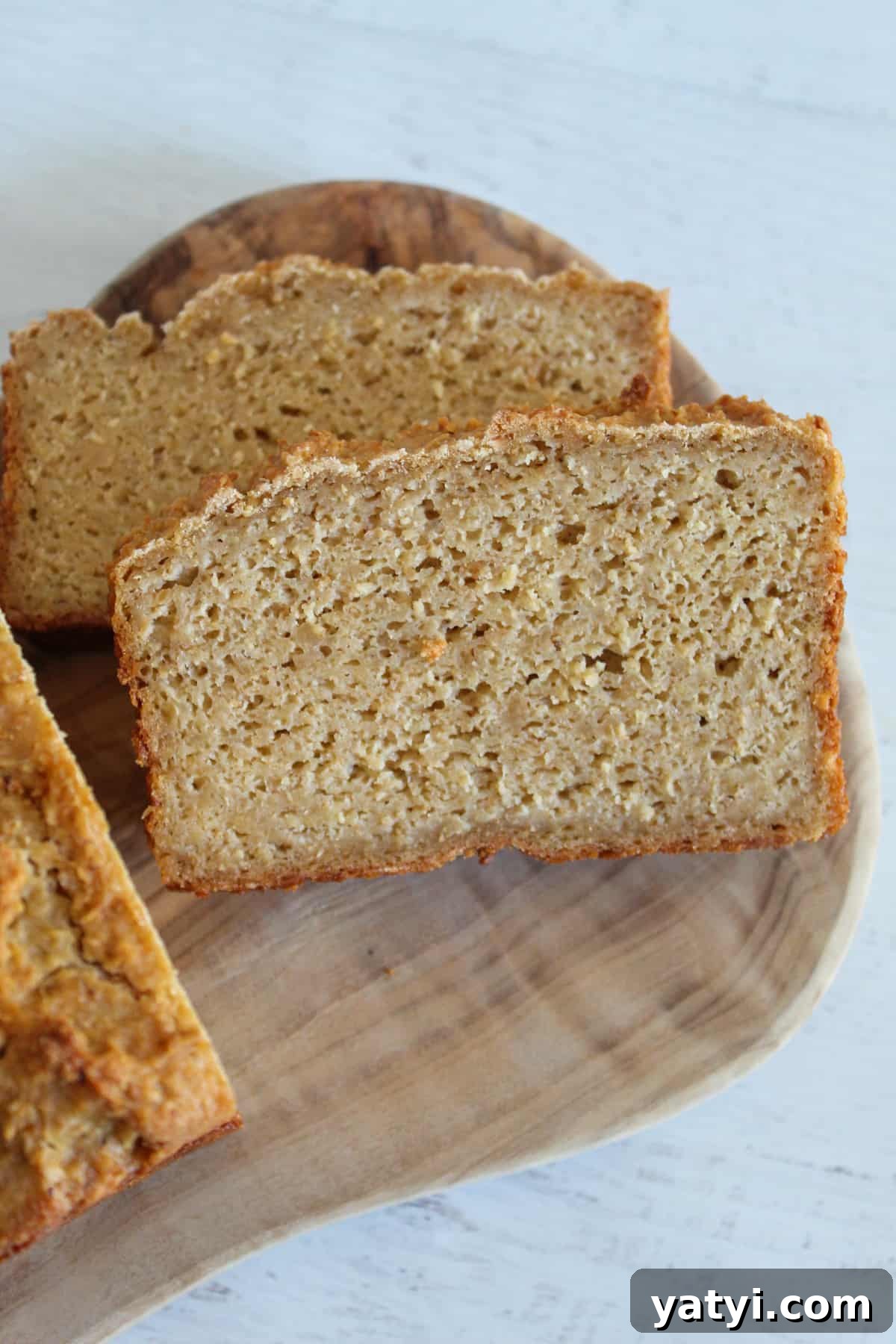
If your dough lacks gluten and needs internal support, xanthan gum builds a network that binds ingredients and prevents collapse during baking.
- Outcome: Stable structure, less crumbling.
Example 3: Frying
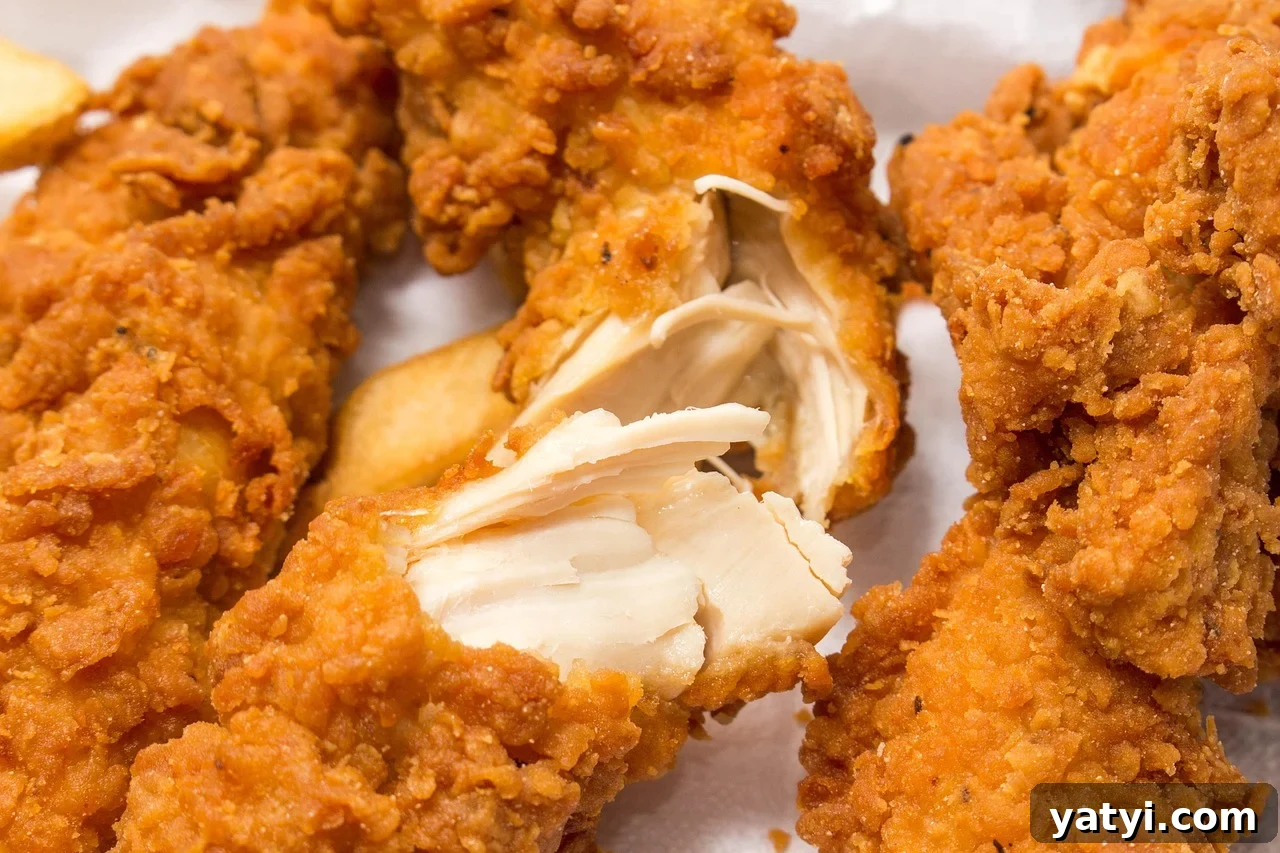
For a coating that crisps without becoming dense, arrowroot or cornstarch creates a light, clean crust that fries up crisp.
- Result: Crisp texture, no excess density.
Common Mistakes That Could Occur When Choosing Between Arrowroot and Xanthan Gum
Minor errors often ruin results. Most texture failures come from incorrect use, not the ingredients themselves.
- Using too much xanthan gum: it’s highly concentrated; a small excess can make mixtures thick, sticky, or slimy.
- Boiling arrowroot too long: prolonged high heat breaks down the starch and can thin a sauce.
- Wrong ratios when substituting: swapping without adjusting quantities leads to inconsistent texture and stability.
Nutritional Benefits of Xanthan Gum and Arrowroot
Beyond functionality, these ingredients differ nutritionally and suit different dietary needs.
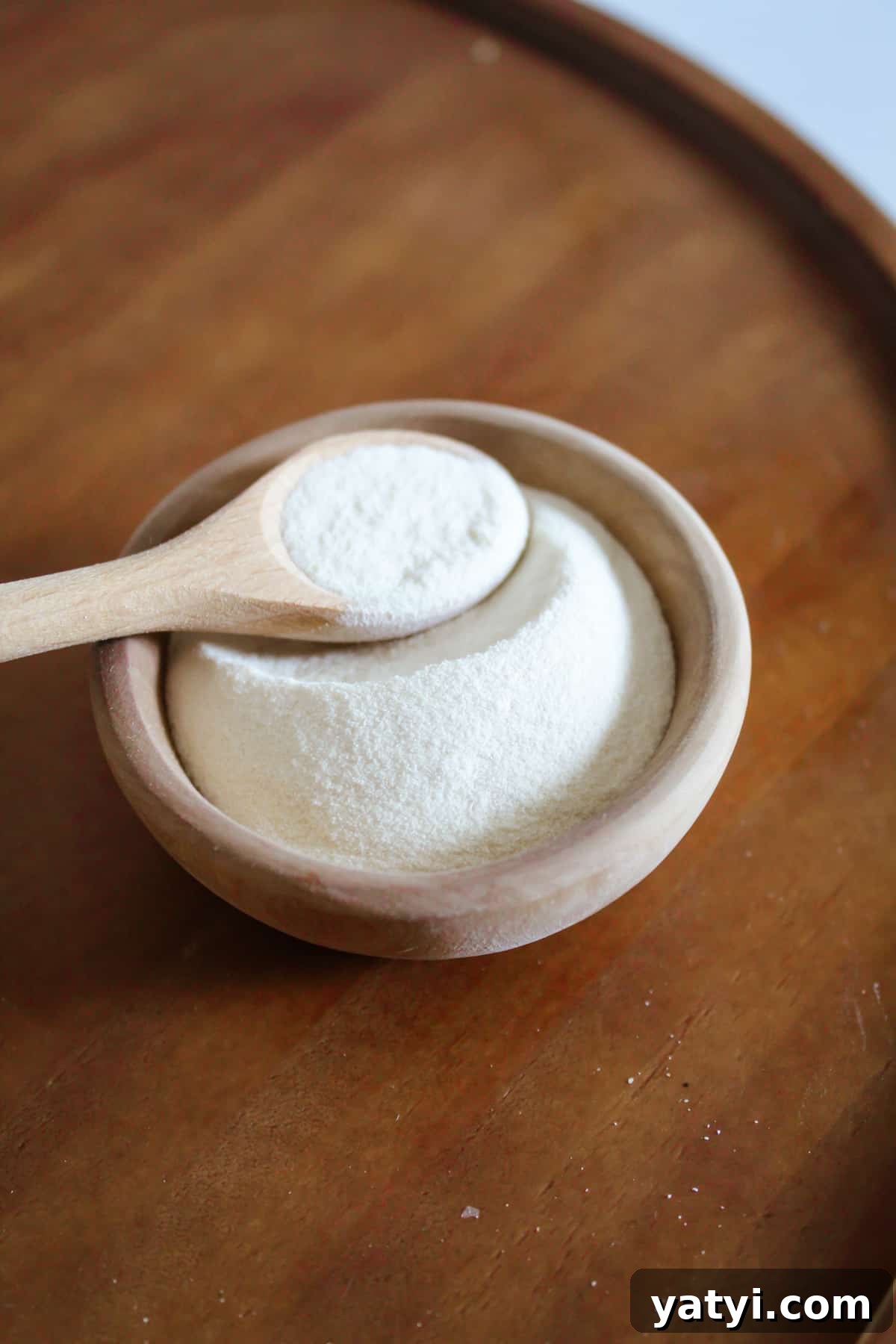
Xanthan Gum: Functional Fiber With Stability Benefits
Used in small amounts, xanthan gum behaves like soluble fiber by forming a gel that can slow digestion and stabilize texture. It helps retain moisture in baked goods and is generally recognized as safe for most diets.
- Supports digestive regulation via a fiber-like effect.
- May slow absorption and help stabilize blood sugar.
- Improves texture without adding calories.
Arrowroot: Easily Digestible, Nutrient-Supporting Starch
Arrowroot is a digestible starch that provides gentle energy and may contain compounds that support gut bacteria and mineral absorption. It is mild on the stomach and useful for sensitive digestion.
Key Nutritional Benefits:
- Supports gut health (prebiotic effects).
- Easily digestible and gentle on the stomach.
- Provides steady carbohydrate energy and trace minerals.
- May help regulate blood sugar when used appropriately.
Who They Are Best For
Choose based on dietary needs and recipe goals.
Xanthan Gum Is Best For:
- People on a gluten-free diet needing structure without extra starch.
- Those who want stable textures in sauces and baked goods.
- Recipes that require binding and elasticity without added bulk.
Arrowroot Is Best For:
- People with sensitive digestion or infants who need easy-to-digest foods.
- Anyone seeking a light, natural starch for clear sauces and glazes.
- Gluten-free cooks who need a neutral-thickening option for sauces and coatings.
Frequently Asked Questions
Common questions about choosing between xanthan gum and arrowroot:
Can I Substitute Xanthan Gum for Arrowroot?
Yes, but not one-to-one. Xanthan gum is much stronger, so use far less and add it gradually to avoid an undesirable slimy or overly thick texture.
What Is the Best Substitute for Arrowroot Powder?
It depends on the dish. Cornstarch and tapioca starch are best for sauces; xanthan gum works for structure in baking.
Is Arrowroot Better Than Cornstarch?
Arrowroot produces a lighter, clearer finish, while cornstarch yields a thicker, more heat-stable result. Choose based on the desired texture.
Why Is Xanthan Gum Used in Baking?
Xanthan gum provides structure and binding, replacing gluten’s role and improving texture in gluten-free baked goods.
Does Arrowroot Thicken Like Cornstarch?
Yes, but arrowroot gives a smoother, clearer result and thickens at lower temperatures. It’s less stable under prolonged heat than cornstarch.
Is Xanthan Gum Healthy?
Generally yes in small amounts. It behaves like soluble fiber and is safe for most people when used appropriately.
Can I Use Flour Instead of Arrowroot?
You can, but flour produces a heavier, opaque texture and requires more cooking to eliminate its raw taste.
What Thickener Works Best for Sauces?
Arrowroot is best for light, clear sauces; cornstarch is better for thicker, more heat-stable sauces.
Does Xanthan Gum Need Heat?
No. Xanthan gum thickens instantly without heat and remains stable across a wide temperature range.
Why Did My Sauce Turn Runny?
Most often it’s because arrowroot was overheated or used incorrectly. Prolonged high heat breaks down the starch and thins the sauce.
Similar Recipes & Guides
If you work with alternative flours, seed-based binders, or different thickeners, other guides can help you choose substitutes without guessing so your results stay consistent.
- Explore guides on alternative flours and binders when adapting gluten-free recipes.
- Compare thickeners more broadly to understand how different starches and gums perform in sauces and baking.
Use those guides as quick references when you need to substitute ingredients and maintain the texture, structure, and consistency your recipe requires.
What Are You Trying to Substitute?
Try the recommended substitutes and ratios, then share your results. If a sauce turned too thin or a gluten-free bake didn’t hold together, describe the issue and adjust the thickener or ratio accordingly.
If you ran into problems, report the recipe and steps you used. With those details it’s easier to troubleshoot and get better results next time.