“It’s scarier than initially thought.” That warning from Dr. Anne Schuchat, the CDC’s principal deputy director, has many parents understandably concerned about Zika. If you’re worried about what Zika can do and how to protect your family, this article summarizes the current facts and practical steps you can take to reduce risk.
This guide explains what Zika is, how it spreads, typical symptoms, potential consequences—especially for pregnant women and infants—and the most effective prevention measures you can use at home and while traveling.
How is the Zika virus transmitted?
Zika is primarily a mosquito-borne virus transmitted to people through the bite of an infected Aedes species mosquito, most commonly Aedes aegypti. This species is a particularly efficient carrier; it can bite several people in one feeding cycle, which can help the virus spread quickly.
Besides mosquito bites, Zika can be transmitted from a pregnant woman to her fetus during pregnancy or around the time of birth. Sexual transmission through semen from an infected male has been documented, and transmission via blood transfusions has also been reported. Because of these routes, both men and women need to take precautions—research is still ongoing to determine how long the virus may persist in semen.
The virus has been detected in breast milk, saliva, and urine, though the main risk remains mosquito-borne and perinatal transmission. Zika viremia (the period when the virus is present in the blood) appears to be relatively short—typically around 10 days.
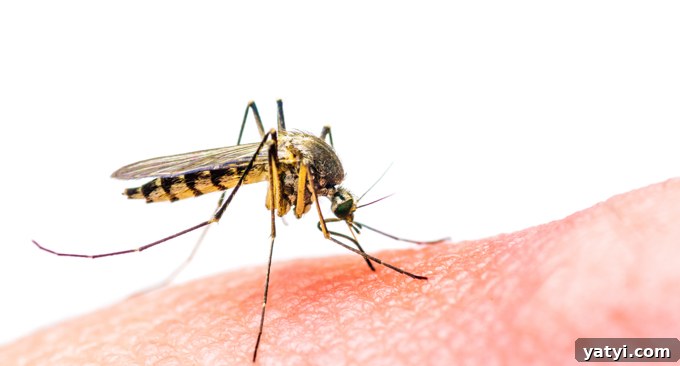
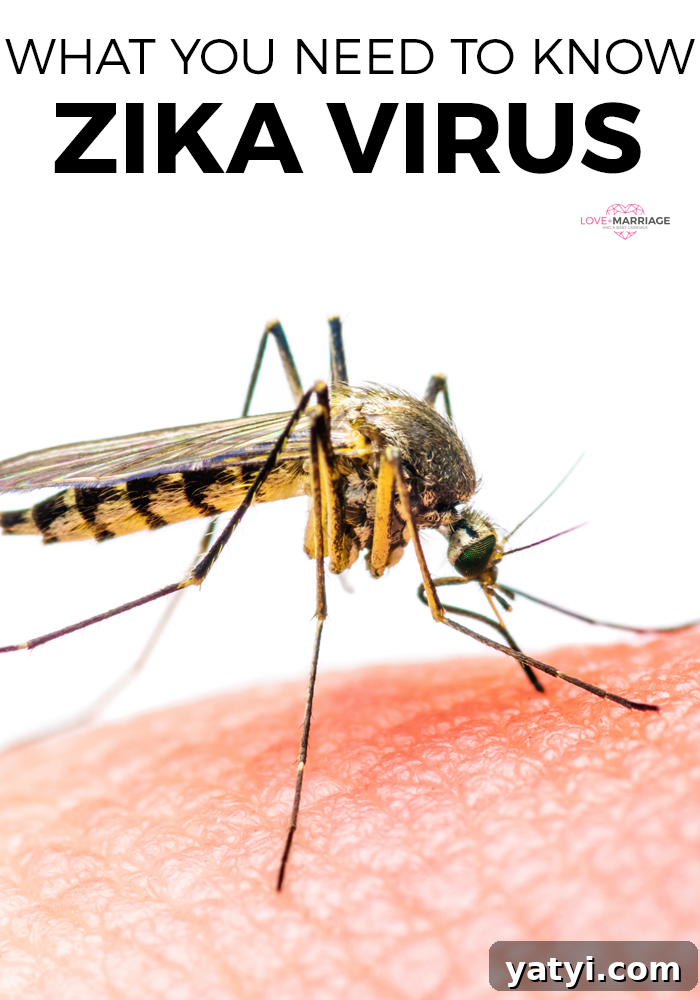
Appearance note: the Aedes aegypti mosquito often has white markings on its legs and a distinctive lyre-shaped marking on the upper surface of the thorax.
What are the symptoms of the Zika virus?
Most people infected with Zika have mild or no symptoms. When symptoms do occur, common ones include fever, rash, joint pain, and conjunctivitis (red eyes). Muscle pain and headache are also possible. The incubation period—the time from exposure to the onset of symptoms—is not precisely known but is likely a few days to a week.
What happens when a person contracts the Zika virus?
Zika infection during pregnancy has been linked to serious birth defects, most notably microcephaly, a condition in which an infant’s head and brain are smaller than expected because the brain did not develop properly. Zika exposure in pregnancy has also been associated with premature birth, eye abnormalities, and other neurological conditions in newborns. These risks are not limited to the first trimester.
For most non-pregnant adults, Zika symptoms are mild and resolve within a few days to a week. Infection likely provides immunity against future infections, though long-term outcomes—especially for infants and children infected with Zika—remain under study.
The CDC continues to research the long-term health effects of Zika virus infection in infants and children.
How do you protect yourself and your family from Zika?
There is currently no vaccine for Zika, so prevention focuses on avoiding mosquito bites and reducing other transmission risks.
- Eliminate standing water around your property where mosquitoes can breed.
- Install and maintain screens on doors and windows to keep mosquitoes out.
- Stay in air-conditioned environments when possible.
- If you must sleep outdoors or in an unscreened area, use a mosquito bed net.
- Cover strollers and baby carriers with mosquito netting when outdoors.
- Wear long-sleeved shirts and long pants, especially during peak mosquito activity.
- Use EPA-registered insect repellents containing ingredients such as DEET or Picaridin when used according to the label; these products are effective and considered safe for pregnant and breastfeeding women when directions are followed.
- Apply sunscreen first, then insect repellent if using both; avoid applying repellent to cuts or irritated skin and spray repellent on your hands before applying to a child’s face.
- To reduce sexual transmission risk, use condoms consistently or abstain from sex following potential exposure, particularly when a partner is pregnant or trying to conceive.
Insect repellents containing DEET or Picaridin
EPA-registered repellents that list DEET or Picaridin as active ingredients provide reliable protection when used according to label instructions. Choose a product with an appropriate concentration for the length of time you need protection and follow all safety directions, especially when applying to children.
Using multiple preventive steps together—removing breeding sites, protecting living spaces, wearing appropriate clothing, and applying approved repellents—offers the best protection against Zika for you and your family.