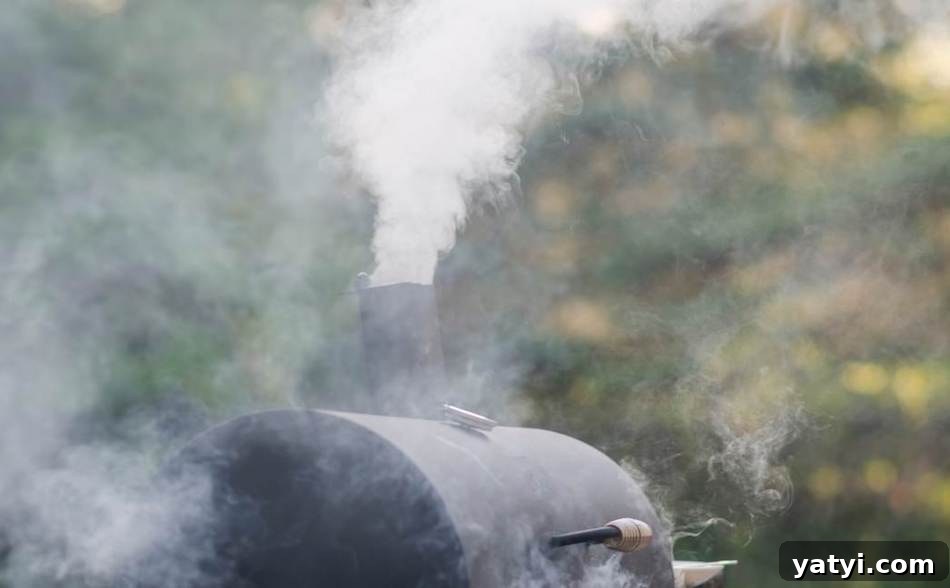
Too much smoke will ruin the flavor of your meat. It’s normal to see thick white smoke while coals ignite, but once the fire is established the smoke should thin out. Persistent heavy smoke is a sign something is wrong. Below I explain the common causes of excess smoke in a smoker and practical steps to avoid a bitter, unpleasant taste.
Excess smoke in a smoker generally comes from five root causes: a dirty smoker, poor airflow, unlit or freshly ignited charcoal, cooking directly over the fire, and using too much wood. Preventing it requires routine cleaning, pre-lighting coals, managing airflow, cooking indirectly, and using wood sparingly. Wrapping meat in foil during the latter stages, and using a water or drip pan, also help reduce unwanted smoke. While wood species influence flavor, they don’t normally determine how much smoke is produced.
| 5 Reason for Excess Smoke | Solution |
|---|---|
| Dirty smoker | Clean smoker regularly, at least every two cooks |
| Lack of oxygen | Ensure proper airflow through the fire by opening all vents when lighting the smoker and gradually closing them as the desired temperature is reached |
| Charcoal ignition | Pre-light charcoal in a chimney to avoid thick, white smoke |
| Cooking over the fire | Use an indirect cooking method with the fire to one side and the meat on the other, and place a drip pan under the meat to prevent a grease fire |
| Too much wood | Use a limited amount of wood, only a couple of chunks every few hours |
1. Dirty Smoker
A smoker coated with grease, ash, or creosote will generate dirty, acrid smoke that taints meat. Regular cleaning prevents this. At minimum, clean a charcoal smoker every two cooks; electric, pellet, and gas smokers can go longer between deep cleans, but still need routine attention. Use a grill brush and scraper to remove buildup from grates, empty ash and charcoal baskets, and wipe down interior surfaces after each session to limit creosote buildup.
Important Points To Remember
- Dirty smokers produce off-flavors from bad smoke and grease vapors.
- Clean grates and scrape away grease before each cook; clean the interior after cooking.
- Empty ash and grease pans regularly to avoid grease fires and bad odors.
- Maintaining a clean smoker ensures cleaner smoke and better tasting meat.
2. Charcoal Ignition
Freshly ignited charcoal releases thick, white, unpleasant smoke. Never put meat in the smoker while coals are still in that initial ignition phase. Pre-lighting coals in a chimney starter lets them reach a steady, hot state before adding them; after roughly 10 minutes the white smoke will subside and the coals will burn clean. Lump charcoal and briquettes differ in burn characteristics—lump burns hotter and faster, briquettes are more consistent—but both should be fully lit before use.
Important Points To Remember
- White smoke from igniting charcoal is normal but undesirable for flavor—wait until it clears.
- Use a chimney starter to light charcoal fully before adding it to the smoker.
- Lump charcoal burns hotter and faster; briquettes burn longer but can smoke more while igniting.
- Don’t expose meat to ignition smoke; add food only after coals are producing steady heat and clean smoke.
3. Lack Of Oxygen
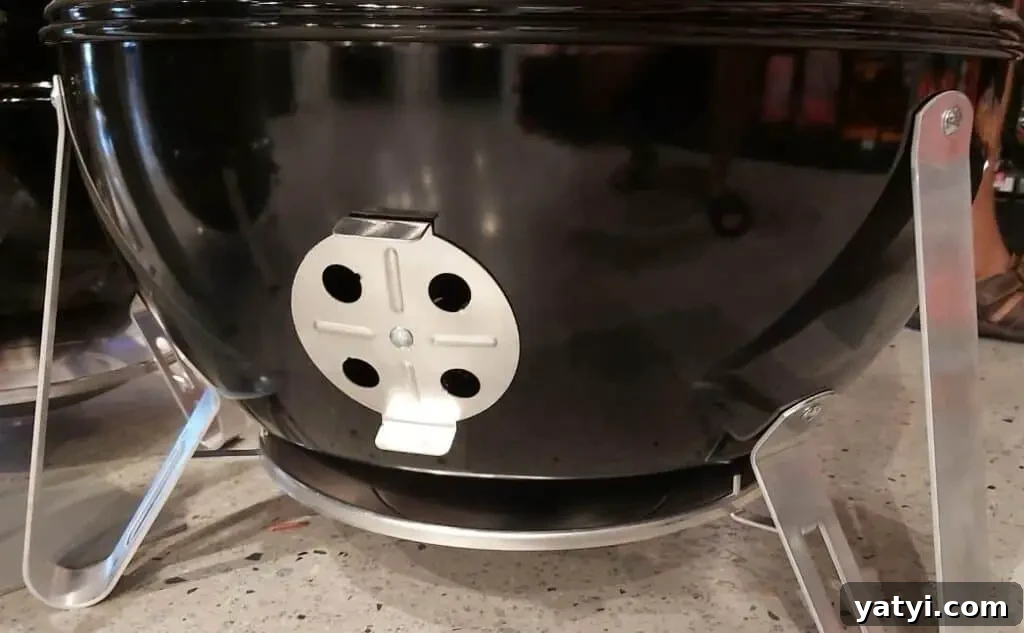
Insufficient airflow causes wood and coals to smoulder, producing dense, bitter smoke. Proper vent management is essential: open all vents wide when lighting to establish a clean burn, then adjust them gradually to reach and hold your target temperature. Avoid over-closing vents—restricted oxygen leads to smouldering and excessive smoke. Add wood only after the smoker has reached temperature and the fire is stable.
Important Points To Remember
- Smouldering wood equals bad smoke—keep oxygen flowing to the fire.
- Open vents fully during startup, then fine-tune them as temperature stabilizes.
- Never choke the fire; restricted airflow causes heavy, bitter smoke.
- Add wood after the smoker is at temperature and the burn is clean.
4. Cooking Over Fire
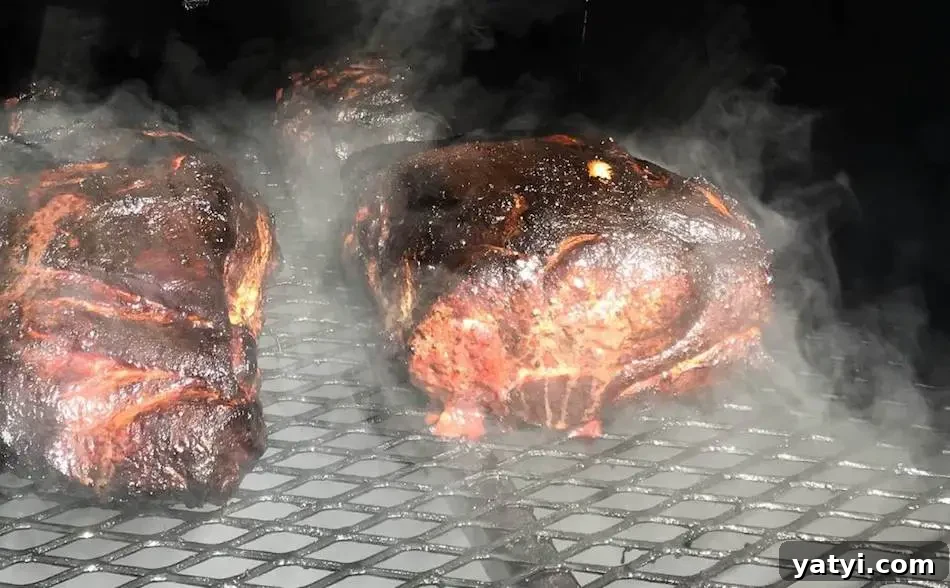
Placing meat directly over active flames increases smoke and the chance of flare-ups from dripping fat. For low-and-slow smoking use an indirect setup: locate the fire to one side or in a separate chamber and put the meat on the opposite side. A drip pan beneath the meat catches fat, reducing flare-ups and preventing burnt grease from contributing foul smoke.
Important Points To Remember
- Cooking directly over flames causes excess smoke and flare-ups.
- Use indirect heat for low-and-slow smoking to protect flavor and reduce grease fires.
- Place a drip pan under the meat to catch drippings and prevent burned fat from creating bad smoke.
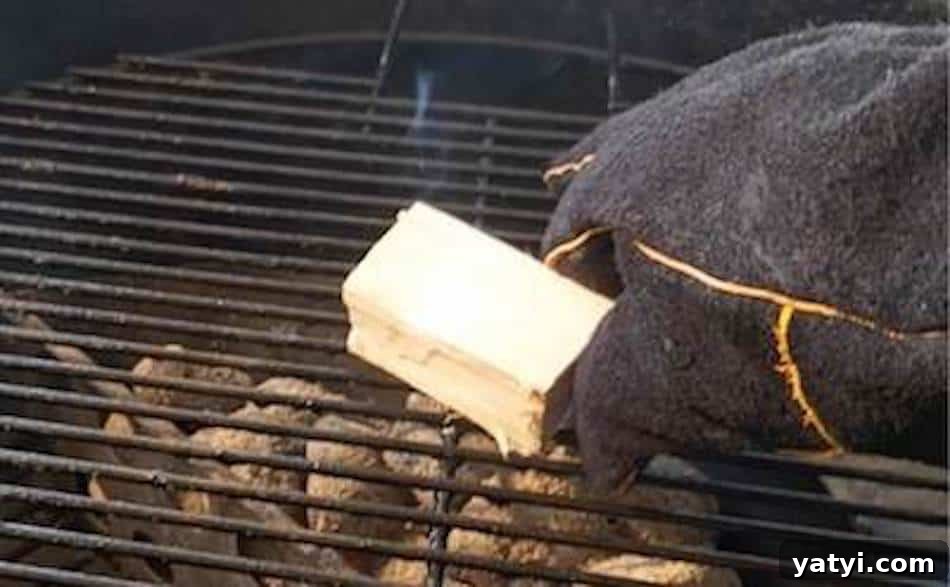
5. Too Much Wood
Adding large amounts of wood or frequent wood chips/pellets that burn quickly will overwhelm the smoker with smoke. For most long cooks, a couple of medium-sized chunks every few hours is sufficient. If you want less smoke late in the cook, wrap the meat in foil (the Texas crutch) or use a water pan to tamp down smoke contact. Remember: charcoal provides heat; wood provides flavor—use wood judiciously to avoid overpowering the meat.
Important Points To Remember
- Too much wood creates heavy smoke—use a few chunks every few hours, not handfuls.
- Wrap meat in foil during the later stages to reduce smoke exposure if needed.
- Wood species change flavor profile but don’t usually increase smoke volume.
- Pre-light coals and avoid cooking over active flames to keep smoke clean.
Cleaning And Maintaining Your Smoker
| Smoker Type | Frequency of Cleaning |
|---|---|
| Charcoal | Every 2 cooks |
| Electric | Every 4–5 cooks |
| Pellet | Every 4–5 cooks |
| Gas | Every 4–5 cooks |
Cleaning Your Smoker – Key Points
- Regular cleaning prevents grease fires, creosote buildup, and bad smoke.
- Scrape grates and remove lumps of grease before each use.
- Empty grease pans and ash trays every few cooks to prevent off-odors and flare-ups.
- Vacuum the firepot on pellet grills before each use and wipe interior walls after each cook to remove creosote.
- Keep vents and passages clear for consistent temperature control and clean combustion.
| Maintenance Task | When to Perform |
|---|---|
| Scrape grill grates | Before each use |
| Remove lumps of grease | Before each use |
| Clean grease pan | Every 2–3 cooks |
| Vacuum fire pot (pellet grills) | Before each use |
| Wipe walls (to remove creosote) | After each cook |
| Empty grease tray | As needed |
| Keep vents and airflow clear | As needed |
These are general guidelines—adjust cleaning frequency to your smoker model and how often you use it.
Good Smoke vs Bad Smoke
Not all smoke is equal. Thick black smoke will quickly make meat bitter; the goal is a thin, bluish smoke that imparts a clean, pleasant smoky flavor. Producing that smoke depends on clean fuel, proper airflow, and fully lit coals. Note that meat absorbs smoke most effectively during the first few hours of a cook; once a bark forms, additional smoke has less effect. Because smoke clings to cooler surfaces, placing chilled meat straight from the fridge into the smoker helps maximize smoke uptake.
Quality Smoke – Key Points
- Black, heavy smoke is bad; thin, blue smoke is good.
- Keep fuel clean, pre-light coals, and maintain airflow to create quality smoke.
- Meat absorbs smoke best in the early hours of cooking; after that a crust reduces uptake.
- Starting with chilled meat helps smoke adhere and penetrate more effectively.
Other Useful Tips
- Wait until temperature stabilizes and bad smoke has cleared before adding meat.
- Add small amounts of wood later to maintain a steady, controlled smoke flow during the first few hours.
- Balance smoke—too little yields no character, too much overwhelms the meat.
- Practice and small adjustments will help you develop the clean, consistent smoke needed for great results.
Related:
Which Lump Hardwood Charcoal Burns the Best?
The Best Charcoal Smokers : An In-Depth Guide
How To Smoke Pulled Pork on a Smoker (Smoked Pork Butt)