Making cheese can seem daunting, something best left to experts with years of practice — the kind of craft you imagine only the French can do. But paneer proves that assumption wrong. This simple Indian cheese is fresh, soft and surprisingly easy to make at home. It doesn’t require pressing or aging like hard cheeses, and it’s an excellent canvas for bold spices.
Paneer is commonly used as the protein in many classic vegetarian dishes across the Indian subcontinent. Its flavor is very mild, which makes it perfect for absorbing cumin, coriander, turmeric and other aromatic spices. When cooked in a spiced sauce or sautéed with vegetables, paneer soaks up flavor and adds a pleasant, creamy texture to the dish.
The method is straightforward and requires only a few ingredients and basic equipment. Start with one litre of whole milk in a large pan. Gently bring the milk up to a simmer; once it’s just about to boil, squeeze the juice of half a lemon into the milk. Reduce the heat immediately and stir gently. The acid from the lemon will cause the milk to curdle, separating into curds and whey.
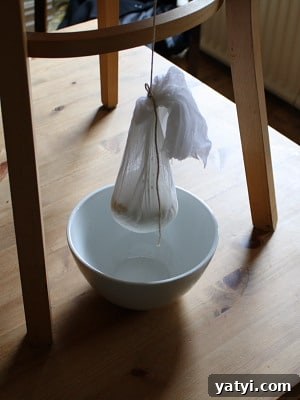
When the curds and whey have fully separated, line a sieve with muslin or cheesecloth and pour the curdled milk through it to drain. Gather the cloth around the curds, tie the ends with string and hang the bundle over a bowl to let the whey drain away for a couple of hours. Occasionally give the bundle a gentle squeeze to encourage drainage, but don’t apply too much pressure if you want a softer paneer.
After the curds have drained, shape the cheese while it’s still wrapped in the cloth. Flatten it into a roughly round or rectangular patty, place it between two plates and weigh it down with something heavy — a bag of flour or a can will work well. Put the assembly in the refrigerator and allow the paneer to firm up for a few hours or overnight. The longer it rests under weight, the firmer and more sliceable it becomes.
And that’s all there is to it. You’ve made fresh cheese at home. It’s a basic form of cheese, but it’s authentic paneer and ready to use. Cube it for curries like palak paneer or mattar paneer, pan-fry the slices for a golden crust, or simply season and serve it in salads and sandwiches. Because paneer has such a gentle flavor, it pairs beautifully with bright, spicy sauces and rich, buttery gravies alike.
Once you’ve mastered this simple technique, try experimenting with different acids (vinegar can be used), varying the resting time under pressure to change the texture, or adding herbs and spices to the curds before pressing for flavored paneer. But even in its plain form, paneer is versatile, satisfying and a great introduction to homemade cheese-making.