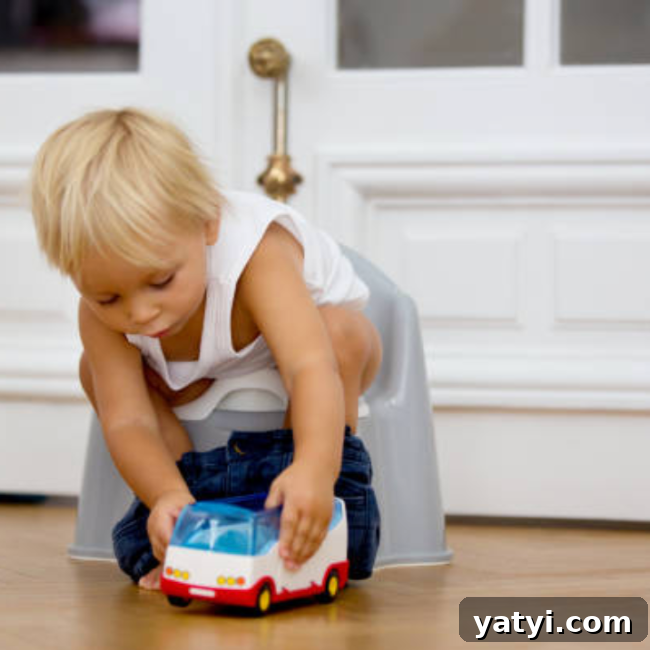
Potty training in three days is the approach we used successfully with all four of our children—three boys and a little girl. Training a toddler can seem more difficult than it actually is, so I want to explain why a focused, short approach can be simpler and faster than many expect. It is very possible to potty train quickly, even over a single weekend.
I always choose a three-day span and fully commit to it. Weekend potty training works well for many families, so below I’ll outline how to begin and answer common questions about toilet training.
Update: This post has been revised and republished with updated information on potty training in three days.
Potty Training in 3 Days Is Not a New Idea
The concept of rapid potty training has been around for decades, although practices have changed over time.
- In the 1930s, many parents began training as early as 6 months.
- By the 1950s, most children were toilet trained by 18 months; today it often takes much longer.
- Currently, a much smaller percentage of children are trained early compared with earlier generations, but quick training still works.
Potty Training in 3 Days Can Be Calm and Positive
Quick potty training doesn’t need to be stressful or forceful. When done with a positive, consistent approach, it becomes a straightforward and effective learning experience for both parent and child.
The potty seat shown is one of our favorites.
How the 3-Day Method Works
The three-day weekend method is built on focus, consistency, and positive reinforcement. Key features include:
- Clear, focused time set aside to teach the skill
- Positive encouragement without bribes or punishments
- Consistent reminders and opportunities to practice
- Connection and teamwork between caregiver and child
This method was passed down to me by my grandmother and refined through my own experience. It’s the foundation of the Potty Train in a Weekend book, which explains the steps in detail.
My Experience with a 3-Day Potty Training Weekend
- I followed my grandmother’s guidance, adjusted it to our family, and it worked.
- I shared the method with local parents and friends; it worked for them too.
- I wrote a book to help other families follow the method and continued to refine the approach with each child.
Methods I Didn’t Use
- I didn’t wait indefinitely for my children to become self-trained.
- I didn’t rely on rewards like candy or charts; motivation emerged naturally.
- I didn’t punish accidents; I stayed firm, patient, and encouraging.
- I didn’t delay until a child could fully explain their needs; practical readiness and guidance mattered more.
Can You Really Potty Train in 3 Days?
Yes. The idea that short-term potty training is harsh is a misconception. When done as a positive, guided process, it can be an enjoyable learning experience. Children often respond well to clear expectations and attentive support.
Like teaching any developmental skill, potty training requires guidance. Allowing the child to lead entirely can delay learning; a focused weekend gives structure while still respecting the child’s pace.
The book Potty Train in a Weekend outlines how to transition away from diapers without relying on pull-ups, candy rewards, or complex charts. It provides practical, actionable steps based on many successful real-life examples.

This method gently, firmly, and naturally teaches a child to go diaper-free and stay dry, often within three days. It’s rewarding to watch a child gain pride and confidence as they learn to use the toilet.
About the Potty Train in a Weekend Book
I wrote this book after potty training my own children, as well as nieces, nephews, and many other children through coaching and play therapy. The book has been updated multiple times and includes a chapter on potty training children with disabilities, informed by clinical experience.
The book is practical and direct—written by a mother and a child development therapist with teaching experience. It’s designed for busy parents and caregivers who want clear, effective guidance.
I also created a private Facebook group for readers to share questions, tips, and success stories in a supportive environment. The book was a bestseller on Amazon, and many families have reported success using the method.
How I Potty Trained My Children in 3 Days
- I typically started after 18 months, with the ideal window being 18–23 months, though the method can work at different ages.
- I looked for readiness signs and chose a weekend when I could be present and focused.
- I encouraged and praised progress while remaining firm about expectations.
- I planned for possible regression and had strategies ready to address common hurdles such as nighttime wetting or reluctance to poop in the toilet.
- I used simple tools to build excitement, like books and coloring pages, and offered regular reminders to use the bathroom.
Is Faster Than Three Days Possible?
While I recommend allowing three full days, some children learn faster. I have seen children become daytime trained in one day and fully trained at night within a few days. Results vary, but some families do finish quicker than three days.
How Long Until a Child Is Fully Trained?
Many children become reliably dry during the day within 3–7 days of focused training, though occasional accidents are normal during the first week. Compared with typical timelines where training can take months, a concentrated weekend approach is much faster for many families.
After training, continue reminding your child to use the bathroom regularly and take them to public restrooms if you will be out longer than an hour. Nighttime dryness often follows later and can depend on developmental factors beyond daytime training.
What You Need Before You Begin
- A clock to schedule bathroom visits
- Cleaning supplies for inevitable messes on day one
- A training toilet or seat
- Patience and a consistent plan
- Underwear you feel comfortable using for training
- Optional baby leggings to keep a child warm while learning
- Books or coloring pages to keep the bathroom fun
- A clear guide or plan to follow during the three days
When Should You Start?
Many parents find 18–23 months to be an excellent window because children are old enough to understand instructions but often not yet set in resistant habits. Still, this method can be adapted to different ages when the caregiver is ready to commit.
Signs Your Child May Be Ready
- Shows discomfort with a wet diaper
- Pretends to use the toilet or imitates wiping
- Shows interest in body parts and toilets
- Can stay dry for an hour or more
- Watches others use the bathroom and wants to imitate
Potty Training Boys
Research and experience suggest boys can be as easy—or easier—to potty train than girls. I typically teach boys to sit for toilet learning initially, focusing on mastering the skill of emptying the bladder. Standing can be introduced later once sitting is established.
Nighttime Dryness
Nighttime dryness develops on a different timeline for many children. Some of our children gained nighttime control quickly, while others took longer. Bedwetting can persist due to genetics, bladder size, sleep depth, or hormone levels that regulate nighttime urine production. It’s common and typically resolves with time.
- About 15% of six-year-olds wet the bed regularly.
- Roughly 5% may still wet the bed at ages 10–12.
How Do I Get My Toddler to Pee in the Potty?
Practical resources that can help you get started include guides that outline the step-by-step routine, printable coloring pages to make the bathroom inviting, and comparison charts to choose the right training seat. Small routines, frequent reminders, and consistent encouragement are key.
More About the Book and the Author
I wrote Potty Train in a Weekend after many successful experiences with my own children and others. I’m a child development therapist, an early education teacher, and a mother of four. The book offers clear instructions and practical tips culled from hands-on experience.
Final Note
Potty training doesn’t have to be stressful. A focused weekend approach can turn a major transition into a manageable, even enjoyable milestone. If you choose to follow a three-day method, plan ahead, stay consistent, and celebrate progress—both big and small.