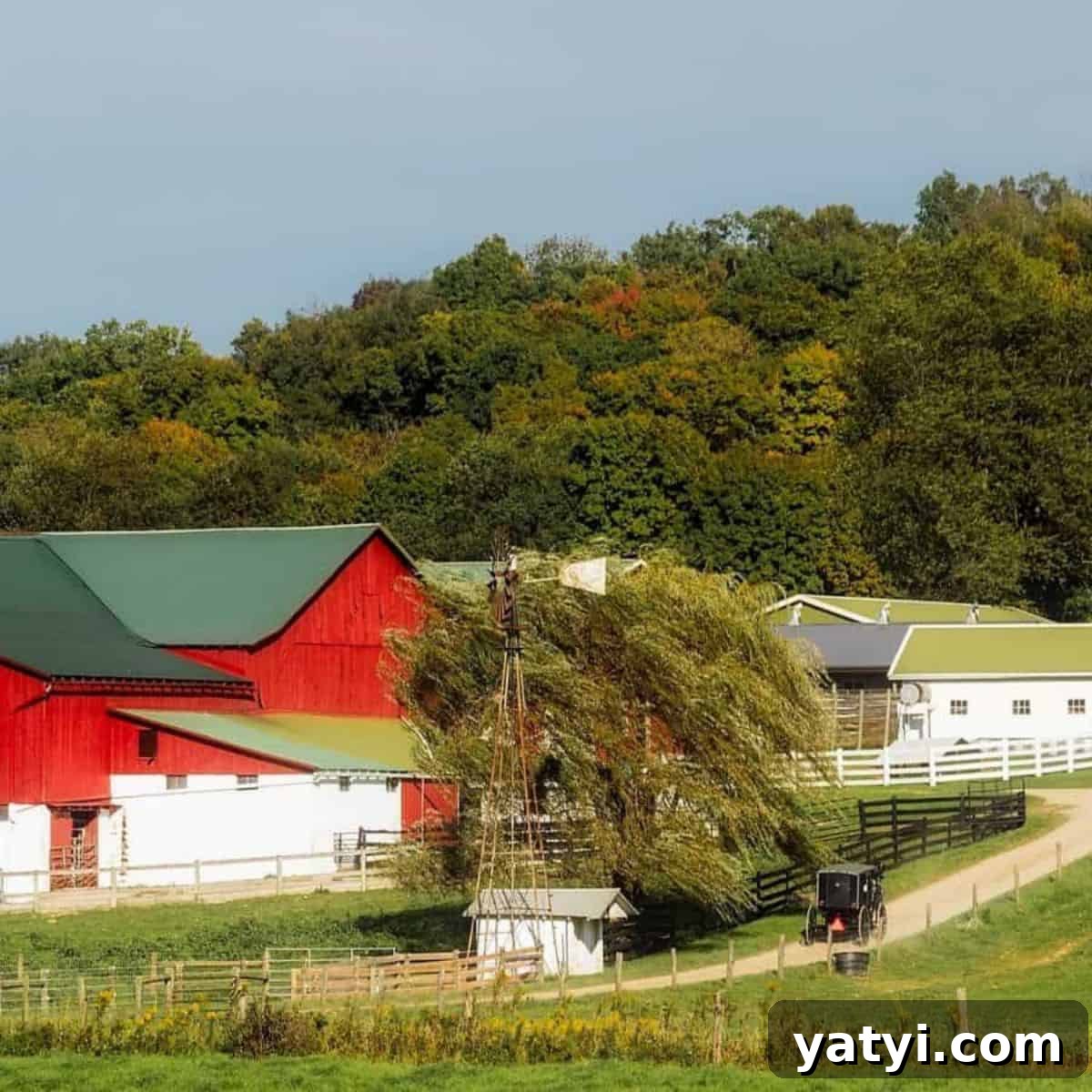
Where did the Amish originate from? Where did they begin?
The Amish emerged from the Mennonite and broader Anabaptist movement in 16th-century Europe, mainly in Switzerland and neighboring regions. Below is a concise, clear history of their origins, the split from the Mennonites, and their migration to North America.
The Roots of the Amish
The Amish attract interest for their commitment to simplicity, community, and tradition. Often called “plain people,” they prioritize faith, mutual support, and separation from much of modern culture.
Understanding the Amish requires looking back to the religious and social upheaval of the Reformation era. Many of the details below come from oral family histories, church records, and historical research.
The Anabaptist Movement
The Amish trace their roots to the 16th-century Anabaptist movement, centered in Switzerland and parts of Germany. Anabaptists rejected infant baptism in favor of adult believers’ baptism, insisted on a church separate from state control, and emphasized nonviolence. These principles shaped the beliefs and practices that later defined Amish communities.
Early Anabaptists faced intense persecution for their dissenting beliefs. Seeking safety, many moved to neighboring regions such as parts of Germany and the Netherlands where they could worship with less threat. Persecution and migration played major roles in how Anabaptist traditions developed.
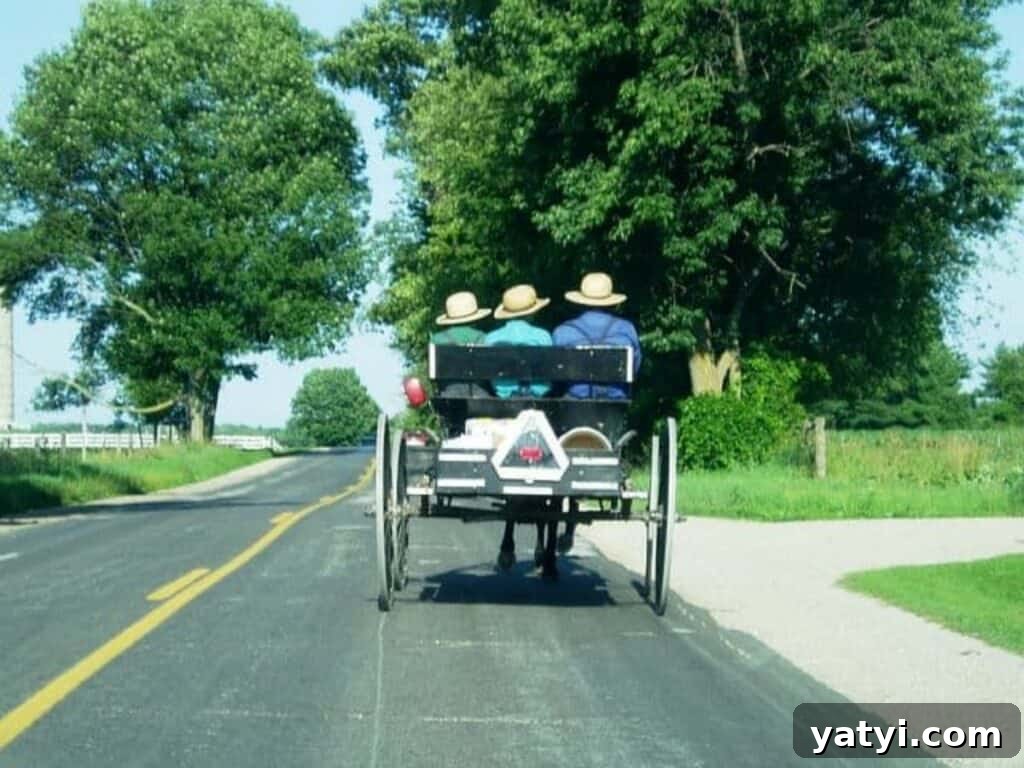
Who Was Menno Simons?
Menno Simons was a former Catholic priest in 16th-century Europe who became an influential Anabaptist leader. He emphasized peaceful living, adult baptism, and a simple, Bible-centered life. His followers became known as Mennonites. Their emphasis on nonviolence and community set the stage for later Anabaptist groups, including the Amish.
Mennonites faced persecution as well, and many migrated to find greater religious freedom. Their teachings and communities spread across Europe and later to North America, preserving a commitment to simple living and mutual aid.
Jakob Ammann and the Origin of the Amish
In the late 17th century among German-speaking Anabaptists, Jakob Ammann, a Swiss bishop, advocated stricter church discipline and a more conservative lifestyle. Disagreements over practices such as excommunication and the rigor of church discipline led Ammann and like-minded followers to separate from the broader Mennonite community. Those followers became known as Amish, a name derived from Ammann’s surname.

Why the Amish Split from the Mennonites
The split from the Mennonites centered on differences in how strictly church rules should be enforced and how separate the community should remain from wider society. Jakob Ammann insisted on stricter use of excommunication (shunning) and stricter adherence to traditions. Those who agreed with him formed distinct congregations that emphasized a more separatist, conservative way of life.
Although Amish and Mennonite groups share many theological roots, they developed different practices and community structures based on these divergent views of discipline and engagement with the outside world.
When Did the Amish Come to America?
In the 18th century, many Anabaptists, including Amish families, emigrated to North America seeking religious freedom, land, and the opportunity to establish communities according to their beliefs. Pennsylvania was an early and significant destination, where tolerant policies allowed them to practice their faith without state interference. From Pennsylvania, Amish communities later spread into other parts of the United States and into Canada.
These communities preserved many traditional practices—horse-and-buggy transportation in many districts, plain dress, and cautious adoption of technology—while adapting to new conditions in North America.
Amish Traditions
The Amish maintain traditions passed down through generations. They view many traditions as expressions of faith and community stability. Key traditions include holding church services in homes, a conservative approach to baptism, and distinct hymnody characterized by very slow singing.
These practices evolved from historical circumstances—persecution, migration, and the desire for discreet worship—and they remain meaningful to Amish communities today.
Church Services in Homes
Early Anabaptists met in homes out of necessity because public worship could invite persecution. The practice of holding church services in homes continued as a matter of tradition and community cohesion and remains common in many Amish districts.
Baptism by Sprinkling
Historically, some Anabaptists used sprinkling for rebaptism when immersion was not practical or safe. While baptism practices vary among Anabaptist groups, the emphasis remains on a conscious, adult commitment to faith. In some Amish communities, baptism by sprinkling or pouring persists as the customary rite.
Amish Church Singing
Amish congregational singing is notably slow and meditative. The pace and style of hymn singing developed in part as a response to historical circumstances and as a way to preserve a solemn, reflective worship atmosphere. This slow singing continues to be a recognizable feature of Amish worship.
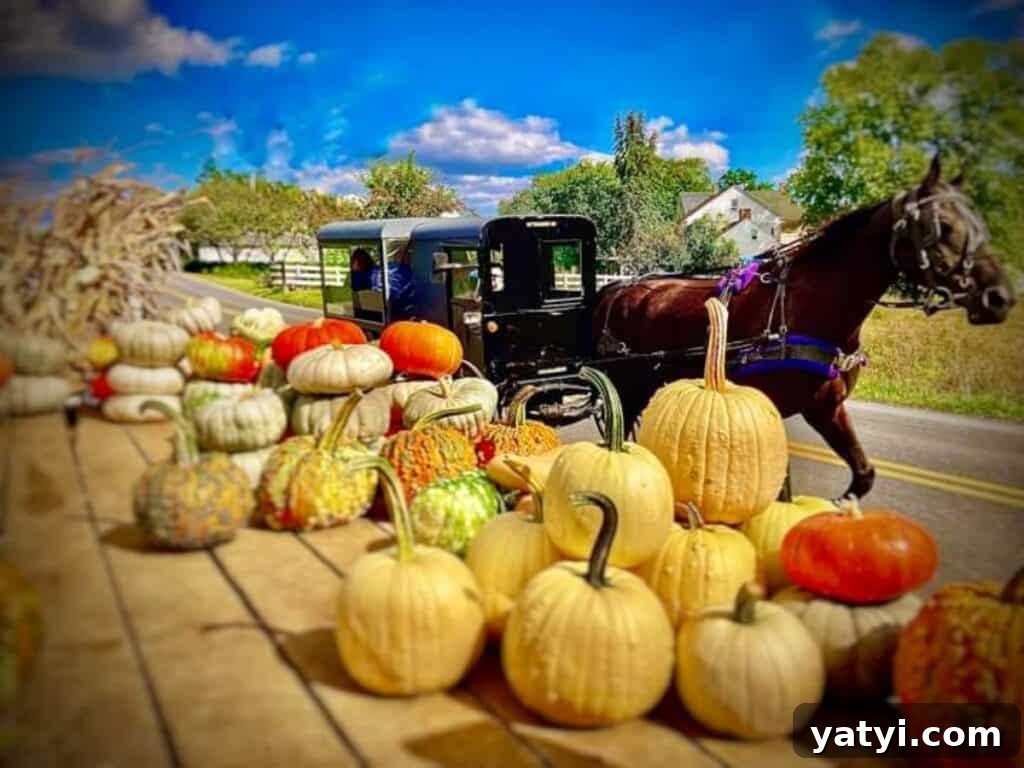
photo credits to Loius Bruno
Frequently Asked Questions About Amish Origins
The Amish originally came from Switzerland and southern Germany as part of the Anabaptist movement of the 1500s.
Jakob Ammann, a Swiss Anabaptist leader, led a late 17th-century split from the Mennonites that resulted in the formation of Amish communities.
The first Amish immigrants arrived in Pennsylvania in the early 1700s, seeking religious freedom and land for farming.
Quick Answer: Where Did the Amish Originate From?
The Amish originated in 16th-century Europe within the Anabaptist movement, developing in Switzerland and southern Germany. They separated from the Mennonites under Jakob Ammann’s leadership and migrated to North America in the 18th century seeking religious freedom.
The Amish story reflects a long history of faith, migration, and community resilience. Their traditions continue to shape daily life in communities across the United States and Canada.
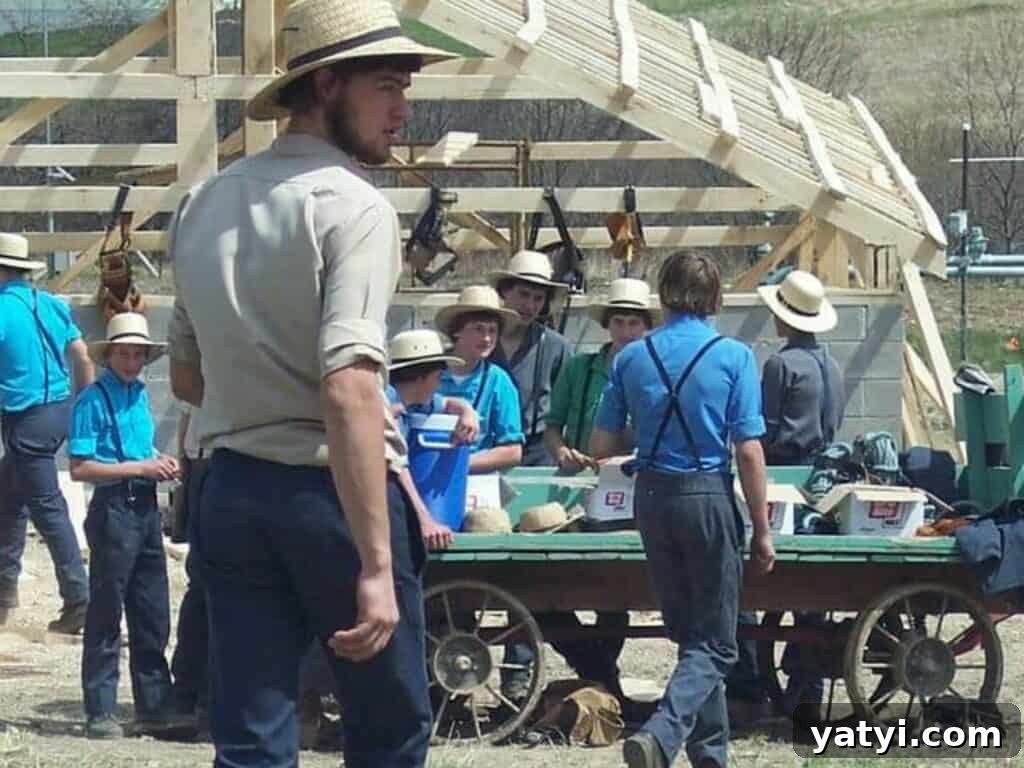
Read More About the Amish
- Why Do Amish Women Wear Head Coverings?
- Do the Amish Drink Alcohol?
- Amish Rumspringa
- Do Amish Farmers Use Tractors?
- Traditional Amish Food
- Amish Cookbook