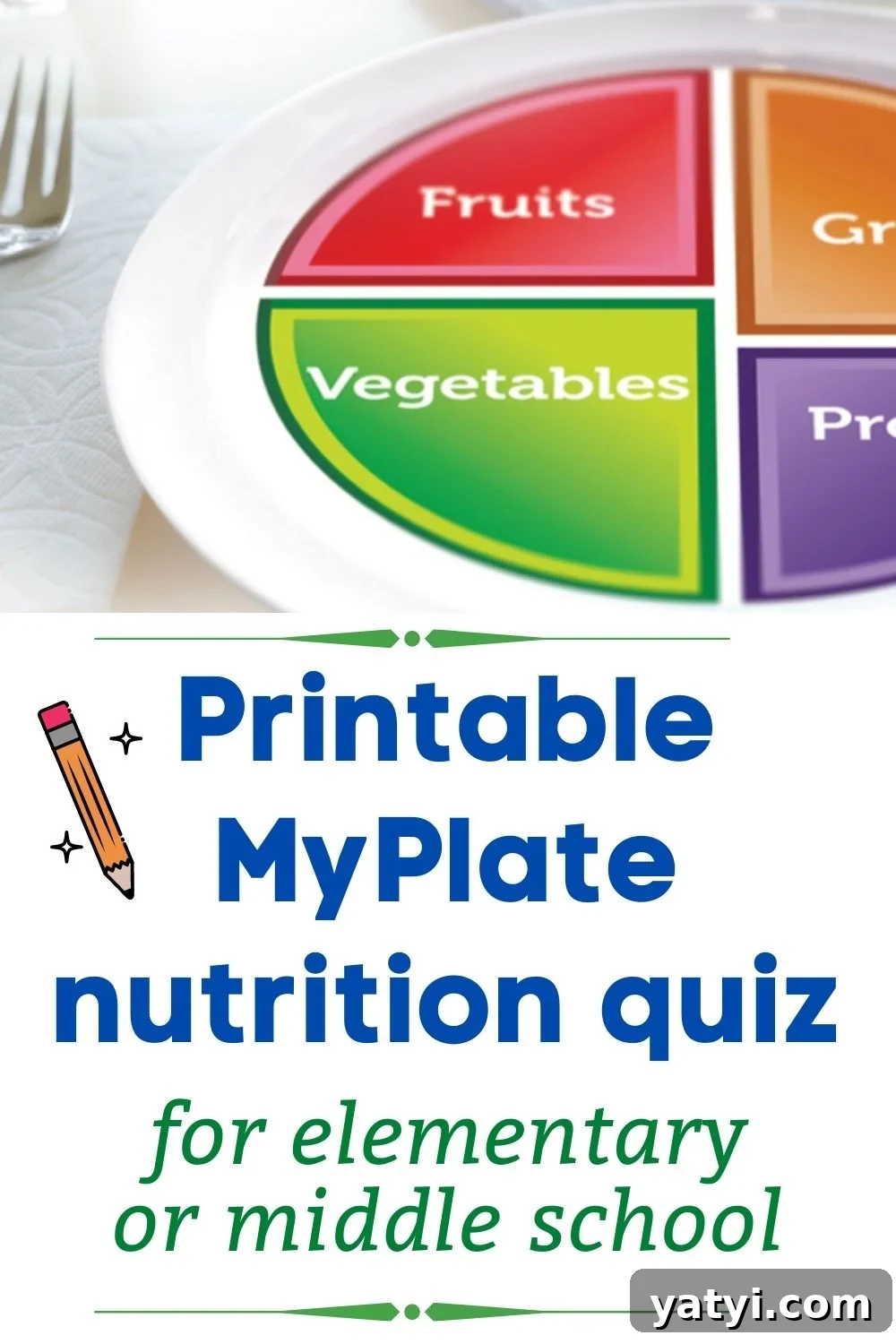
After teaching a nutrition lesson about Choose MyPlate in your elementary or junior high classes, use this quiz to reinforce learning. You can print it for students or use it as an outline to guide a classroom discussion.
Printable PDF version of the quiz to hand out in class
1. Does eating a balanced diet give you all the nutrients your body needs?
- Yes
- No
Answer: Yes. Each food group provides different nutrients; including all food groups helps our bodies get the nutrients they need.
2. Name the five food groups of MyPlate
- Fruit
- Vegetable
- Protein
- Grain
- Dairy
3. Which food is in the fruit group?
- Yogurt
- Bread
- Pineapple
- Carrot
Answer: Pineapple
4. Which food is in the vegetable group?
- Cheese
- Chicken
- Peach
- Kale
Answer: Kale
5. Which food is not in the protein group?
- Beans
- Fish
- Cheese
- Egg
Answer: Cheese. Although cheese contains protein, it belongs to the dairy group because it is a dairy product and is a source of calcium.
6. Which food is not a whole grain?
- White rice
- Oatmeal
- Millet
- Popcorn
Answer: White rice. The bran or outer layer is removed from white rice, which reduces some vitamins and fiber present in whole-grain brown rice.
7. Which is not in the dairy group?
- Soy milk
- Eggs
- Milk
- Cottage cheese
Answer: Eggs. Dairy includes milk, cheese, yogurt and fortified dairy alternatives like soy milk that provide comparable calcium.
8. Which is the best way to eat fruits and vegetables?
- Fresh fruits and vegetables
- Frozen fruits and vegetables
- Canned fruits and vegetables
- They are all good ways
Answer: They are all good ways. Fresh, frozen, and canned fruits and vegetables have similar vitamin and mineral content in most cases.
9. How does fiber help our bodies?
- Helps build strong bones
- Helps with our eyesight
- Helps have normal bowel movements
Answer: Helps have normal bowel movements. Fiber also helps us feel full and supports balanced blood sugar.
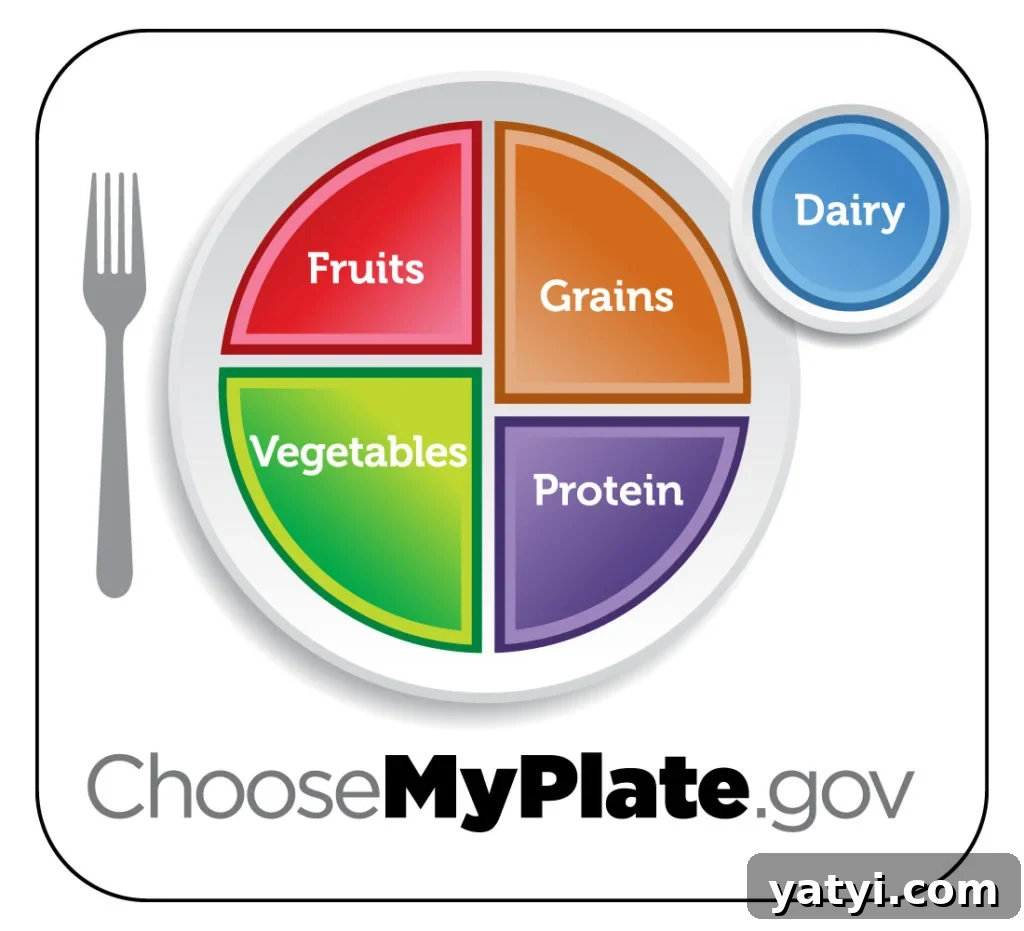
10. Label the plate with the different food groups
Answer: On the MyPlate diagram, one section is fruit and one is protein, another is grain and one is vegetables, and dairy is shown separately.
11. Make a meal with all five food groups and list which food groups the foods belong to
- Meal: Sandwich
- Fruit: Apple
- Vegetable: Lettuce and tomato
- Dairy: Cheese
- Grain: Bread
- Protein: Turkey
12. Which color fruits and vegetables should you eat the most?
- Red
- Green
- Orange/Yellow
- Purple
- A variety of all the colors
Answer: A variety of all the colors. Different colors reflect different nutrients—orange and yellow often provide vitamin A and C, dark green supplies vitamin K and potassium, and red offers vitamin C, among others.
13. Why are beans and peas in both the protein and vegetable food groups?
- They are brown and green
- They provide nutrients that are in vegetables
- They provide nutrients that are in protein foods
- B and C
Answer: B and C. Beans and peas contain nutrients typical of both vegetables and protein foods, so they can count toward either group in a meal.
14. Which nutrient is in whole fruits and vegetables but not normally in juice?
- Vitamin C
- Calcium
- Protein
- Fiber
Answer: Fiber. Most juicing removes fiber, while whole fruits and vegetables—and smoothies made from whole produce—retain it.
15. What are some ways fruits and vegetables help our body?
- They help our cells grow
- They help our immune systems
- They help our heart work well
- All of the above
Answer: All of the above. Fruits and vegetables provide vitamins, minerals, and antioxidants that support growth, immunity, and heart health.
16. ______ is an important nutrient in the dairy group.
Answer: Calcium. Calcium helps build strong bones and is also important for heart health.
Print this nutrition quiz (PDF)
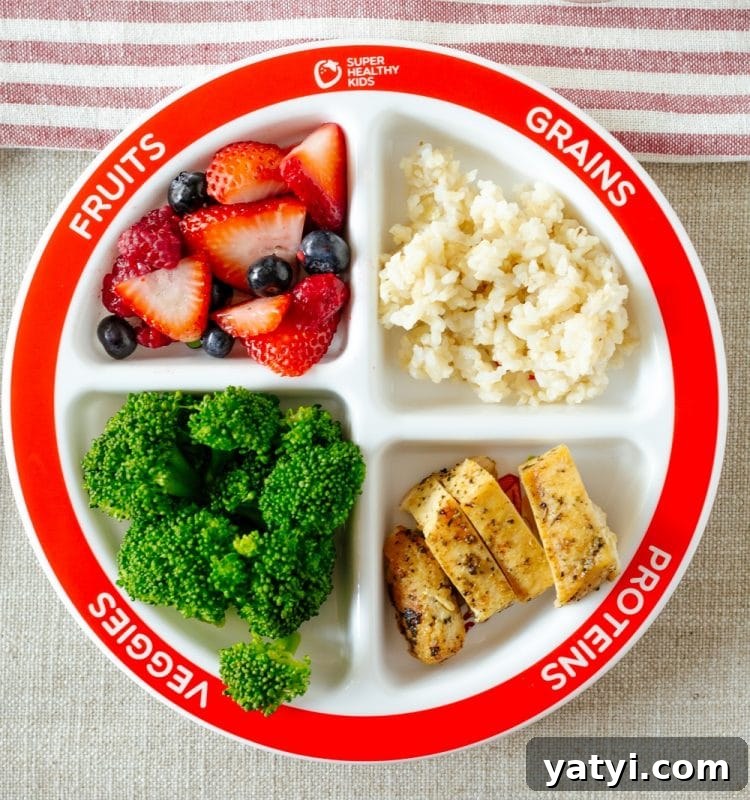
Educational tools and visual plates for teaching MyPlate