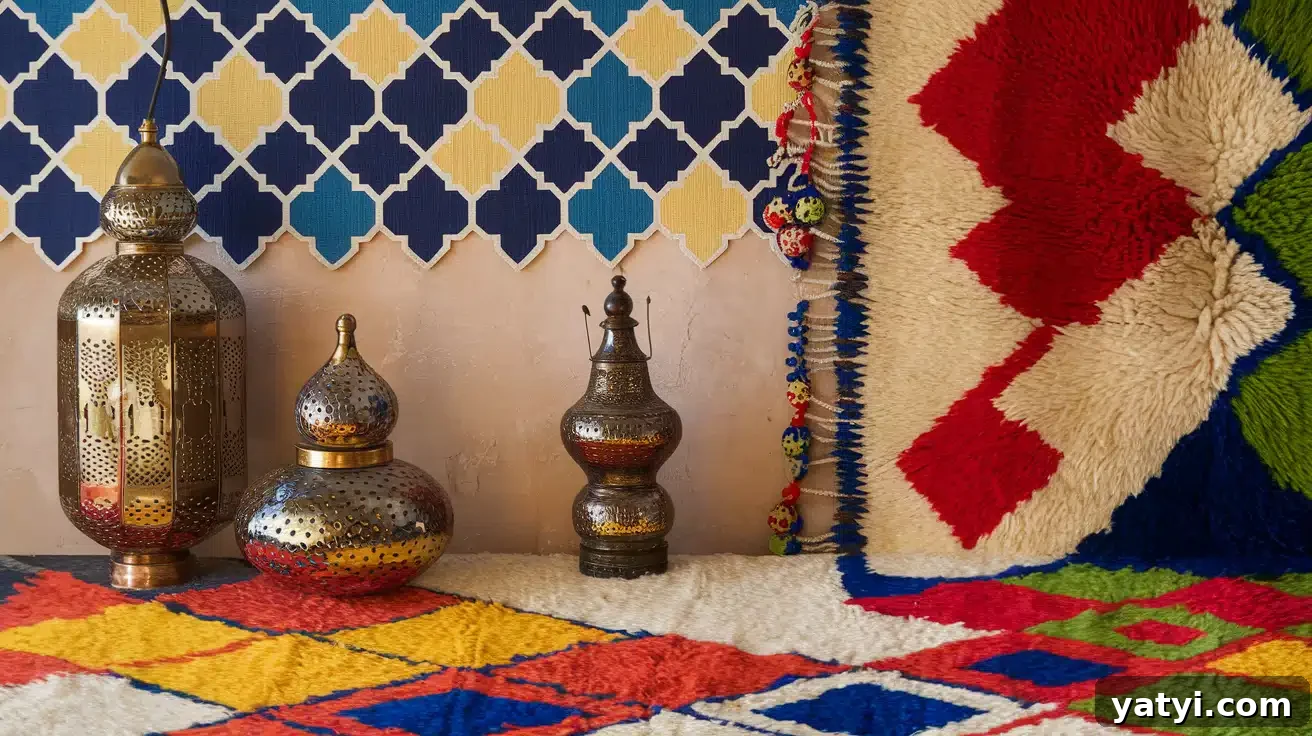
I know how color can make or break a design, and finding the right palette isn’t always easy. Moroccan colors offer a rich, time‑tested source of inspiration. Their bold, layered hues bring warmth, energy, and a sense of history to interiors, textiles, and fashion.
In this article you’ll learn how key Moroccan colors work, practical ways to use them, and ideas for combining tones to create spaces that feel exotic, inviting, and harmonious. Whether you want subtle accents or a dramatic makeover, these palettes will help you achieve a distinctive look.
The Significance of Colors in Moroccan Culture
Color in Morocco carries cultural and symbolic weight. Beyond aesthetics, each hue often reflects local materials, beliefs, and traditions. Understanding these meanings helps you choose colors that feel authentic and purposeful.
Red
Red is synonymous with Marrakech, nicknamed the “Red City” for its clay‑tinted buildings. In Moroccan culture, red often symbolizes bravery, vitality, and celebration. Use it to create warmth and presence in a room.
Blue
Blue is central to Moroccan design, especially the vivid Majorelle Blue popularized by artist Jacques Majorelle. You’ll see this bright, saturated blue on tiles, pottery, and architectural accents. It brings clarity and cool contrast to richer tones.
Green
Green has spiritual resonance in Morocco and is closely tied to Islamic tradition. It’s associated with peace and renewal and commonly appears on mosque domes and in garden spaces. Green is ideal for calming areas and interiors that seek balance.
Yellow/Ochre
Warm yellows and ochres echo the Sahara’s sands and sun‑baked façades. These tones add an earthy, sunlit quality to interiors and pair naturally with terracotta and wood finishes.
White and Black
White and black frequently appear as complementary colors in Moroccan mosaics and textiles. White suggests purity and light, while black adds depth, contrast, and sophistication. Together they help ground more vibrant palettes.
Popular Moroccan Color Palettes to Transform Your Home
1. Moroccan Colors with Jewel Tones
Sapphire Blue
- Why: Brings richness and a sense of calm, evoking deep water and clear skies.
- Where: Living rooms, bedrooms, or bathrooms for a spa‑like atmosphere.
- How to use: Rugs, feature walls, accent pillows, or pottery.
Emerald Green
- Why: Feels lush, fresh, and natural.
- Where: Dining areas, living rooms, and garden rooms.
- How to use: Upholstery, curtains, and statement artwork.
Ruby Red
- Why: Conveys warmth and luxury; bold and welcoming.
- Where: Dining rooms, entryways, or accent walls.
- How to use: Throws, decorative vases, or a feature wall.
Amethyst Purple
- Why: Cozy and calming for relaxed, elegant spaces.
- Where: Bedrooms, reading nooks, and intimate living areas.
- How to use: Cushions, rugs, or drapery.
Topaz Yellow
- Why: Adds brightness and warmth, lifting darker palettes.
- Where: Kitchens, hallways, and children’s rooms.
- How to use: Wall art, light fixtures, or small accent pieces.
2. Moroccan Colors with Earthy Tones
Burnt Orange
- Why: Evokes clay and sun‑baked landscapes for a cozy feel.
- Where: Living rooms, dining areas, patios.
- How to use: Throw pillows, terracotta planters, or accent walls.
Olive Green
- Why: Grounding and peaceful, with a natural vibe.
- Where: Kitchens, entryways, bedrooms.
- How to use: Cabinetry, bedding, or wall accents.
Desert Sand
- Why: Neutral, calming, and versatile.
- Where: Bathrooms, hallways, living spaces.
- How to use: Upholstery, rugs, or paint.
Umber Brown
- Why: Adds depth and a sense of solidity.
- Where: Home offices, libraries, cozy corners.
- How to use: Leather furniture, wood finishes, or a rich feature wall.
Ochre Yellow
- Why: Warm and subtle, providing gentle color without overwhelming.
- Where: Kitchens, bedrooms, accent pieces.
- How to use: Curtains, pottery, or painted details.
Moroccan Color Palettes Contrast Ideas I Love
Cobalt Blue & Tangerine Orange
The contrast between deep blue and vivid orange is striking—think sky meeting sunset. Use it in textiles, accent walls, or cushions for a lively focal point.
Fuchsia Pink & Lemon Yellow
Bright pink paired with sunny yellow creates an upbeat, energetic mood. This pairing works well for accent pieces, children’s rooms, or playful kitchens.
Turquoise & Coral
Turquoise recalls coastal hues while coral reflects warm architecture—together they balance water and earth. Ideal for bathrooms, tiles, and towels.
Crimson Red & Mint Green
These colors evoke Moroccan gardens and tea culture. Use them for kitchen accents, backsplashes, and cookware to bring a courtyard‑like freshness indoors.
Royal Purple & Gold
Deep purple with gold trim offers a luxurious, regal feel. Use it in home offices, dressing rooms, or living areas to add glamour and depth.
Moroccan Colors in Fashion and Textiles
1. Clothing Inspiration
Moroccan clothing is inherently colorful and symbolic. The kaftan, a flowing robe, appears in bright blues, greens, and reds—each color conveying mood and meaning. The djellaba, a hooded garment, often appears in earthy neutrals but may be richly colored for special occasions. Accessories like scarves and embroidered details allow for personal expression and bold color mixing.
2. Textile Patterns
Moroccan textiles feature a mix of geometry and symbolism. Kilim rugs use flat weaving and striking geometric motifs, while Berber rugs combine natural wool tones with unexpected bright accents. Embroidery and metal threadwork add intricate, luminous details that enhance color combinations and texture.
Tips for Creating an Eclectic Moroccan‑Style Space
- Mix bold colors: Blend warm and cool shades—deep blues with sunny yellows or rich reds with soft greens.
- Layer patterns: Combine geometric and organic motifs across rugs, pillows, and wall hangings.
- Add metallic touches: Introduce gold or silver accents through lamps, trays, and frames.
- Use textured fabrics: Velvet cushions, silk curtains, and woven throws add tactile warmth.
- Incorporate low seating: Floor cushions or low sofas create a relaxed, social atmosphere.
- Hang lanterns: Colored glass lanterns cast decorative shadows and mood lighting.
- Display handmade items: Show painted ceramics, woven baskets, and artisanal crafts.
- Bring in greenery: Potted plants or a small water feature echo Moroccan courtyards.
- Use arches: Arched mirrors or shelves suggest Moroccan architecture without structural changes.
- Focus on details: Tassels, embroidered ties, and beaded trims make a big difference.
Wrapping It Up
Moroccan colors transform interiors by combining bold hues, earthy tones, and rich textures. Each color carries meaning and history, from Marrakech’s red walls to Majorelle’s intense blue. Using these palettes is not about imitation but adaptation—bringing the spirit of Morocco into your home in a way that reflects your taste.
Start small with a pillow, rug, or lantern, or make a statement with a feature wall or layered textiles. Experiment with contrasts and layers until you find combinations that resonate. With color, pattern, and texture, you can create a space that feels personal, vibrant, and infused with Moroccan character.
Are you ready to add a touch of Moroccan magic to your home?