Recipe Overview
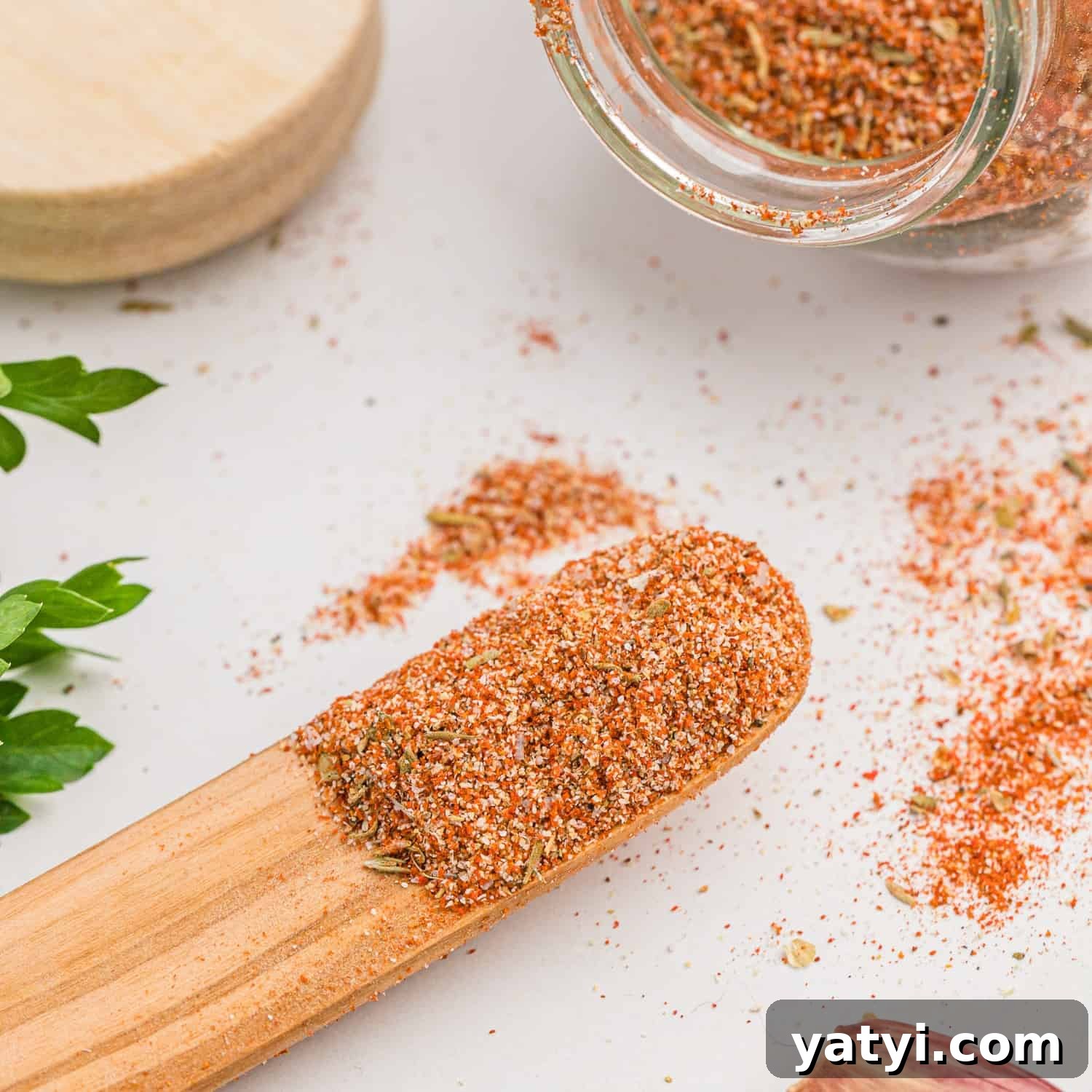
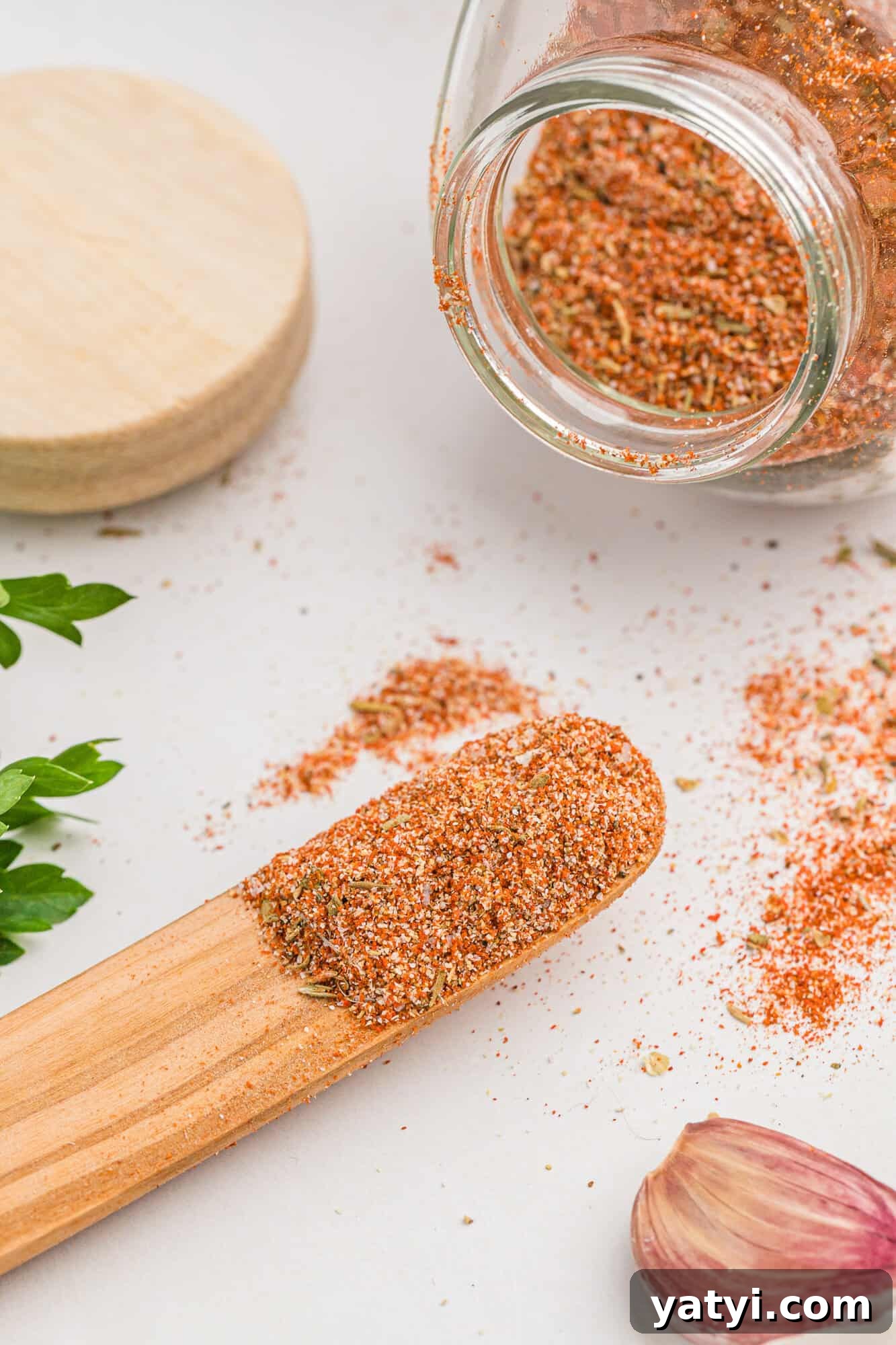
Why you’ll love it: Add a mildly spicy kick to many dishes with this homemade Cajun seasoning. It blends cayenne with paprika, black and white pepper, garlic and onion powders, thyme, oregano, and salt to create a versatile, savory mix you’ll reach for again and again. Use it on meats, seafood, pasta, vegetables, and more.
How long it takes: 5 minutes
Equipment you’ll need: small container with tight-fitting lid, measuring spoons
Yield: makes about ¾ cup
Cajun cuisine comes from the southern United States, especially Louisiana, and reflects French, Spanish, and West African influences. Traditional dishes favor smoked meats, rice, and the classic “holy trinity” of green pepper, onion, and celery. This seasoning captures the pepper-forward, savory flavors often found in Cajun cooking.
Familiar dishes like jambalaya, rich with smoked meats and sometimes seafood, get their heat from cayenne and an array of spices. This Cajun seasoning is designed to provide that same balanced, peppery warmth while remaining easy to use.
Beyond traditional recipes, this blend brightens one-pot pastas, roasted vegetables, grilled proteins, and sauces. It’s a simple way to lift everyday meals with bold flavor.
About Cajun Seasoning
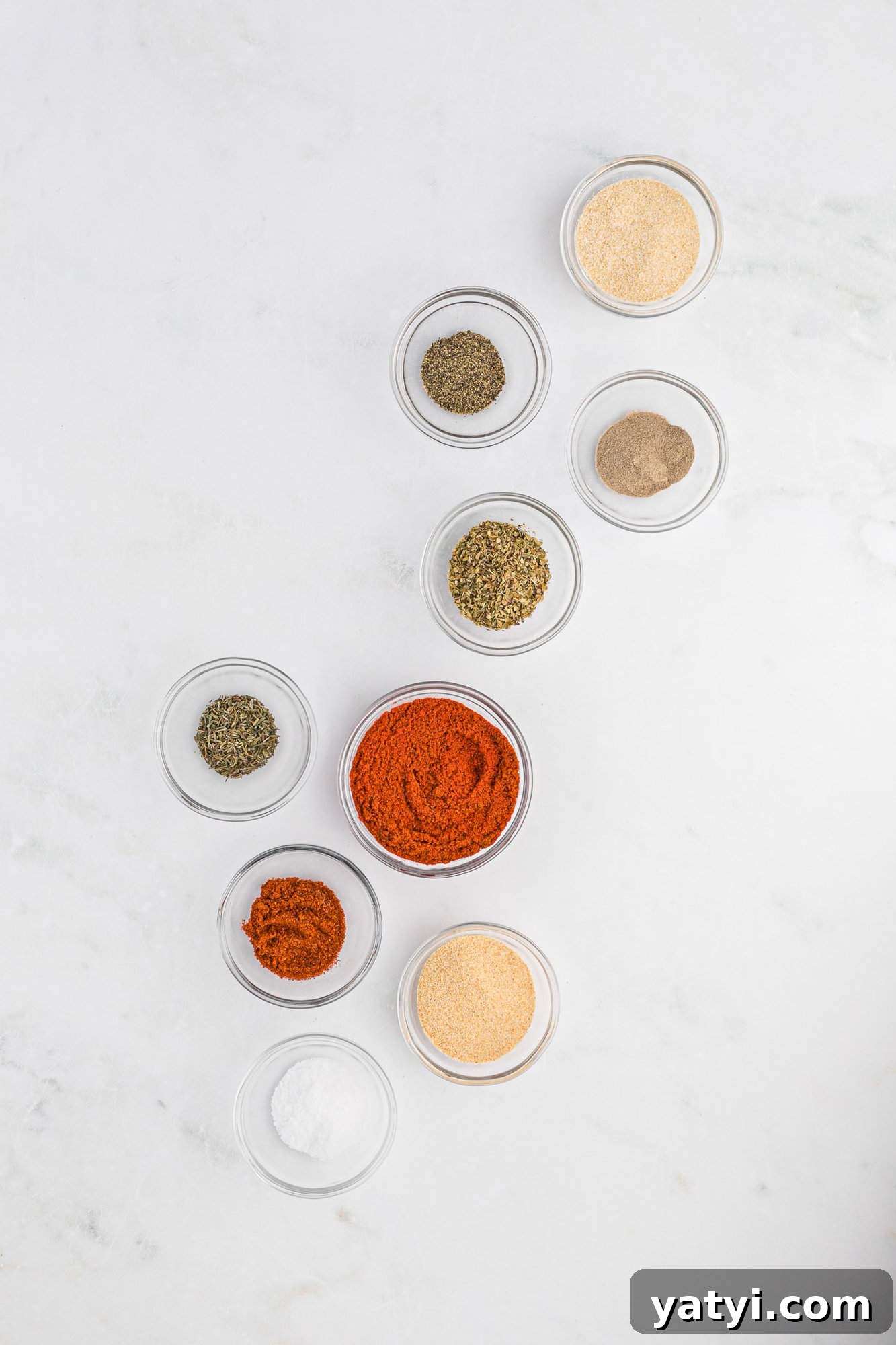
Pepper-forward flavor: This blend centers on pepper varieties—paprika, black pepper, white pepper, and a touch of cayenne—each contributing distinct notes. Paprika (made from sweet red peppers) provides color and a mild sweetness, while cayenne brings heat. Garlic and onion powders add savory depth, and thyme and oregano supply herbal balance. Salt rounds out the mix.
Customizable: There are nearly as many Cajun blends as there are cooks. This version is a flexible base you can tweak—more cayenne for heat, smoked paprika for smokiness, or omit the salt for a low-sodium option.
Moderate heat: The recipe offers a gentle kick that enhances dishes without overwhelming them. Increase the cayenne if you prefer spicier flavors.
Cooking Tip
Check your spice jars for freshness before blending. Dried spices don’t go unsafe but lose flavor over time; fresher spices yield a brighter, more aromatic seasoning.
Ingredient Notes
- Paprika: Use sweet (regular) paprika for color and mild flavor. Swap smoked paprika to add a smoky note.
- Onion Powder: Concentrated onion flavor that blends smoothly into dry mixes.
- Garlic Powder: Adds savory garlic without added salt.
- Dried Oregano: Either Mediterranean or Mexican oregano works; it adds herbal depth.
- Dried Thyme: Use the smaller measure called for—thyme is potent and can dominate if overused.
- Kosher Salt: Coarser than table salt and free from additives; omit for a salt-free blend.
- White Pepper: Milder and subtly different from black pepper; it contributes a clean heat.
- Black Pepper: Coarse ground is preferred for texture and aroma.
- Cayenne Pepper: The primary source of heat; adjust to taste if you’re sensitive to spice.
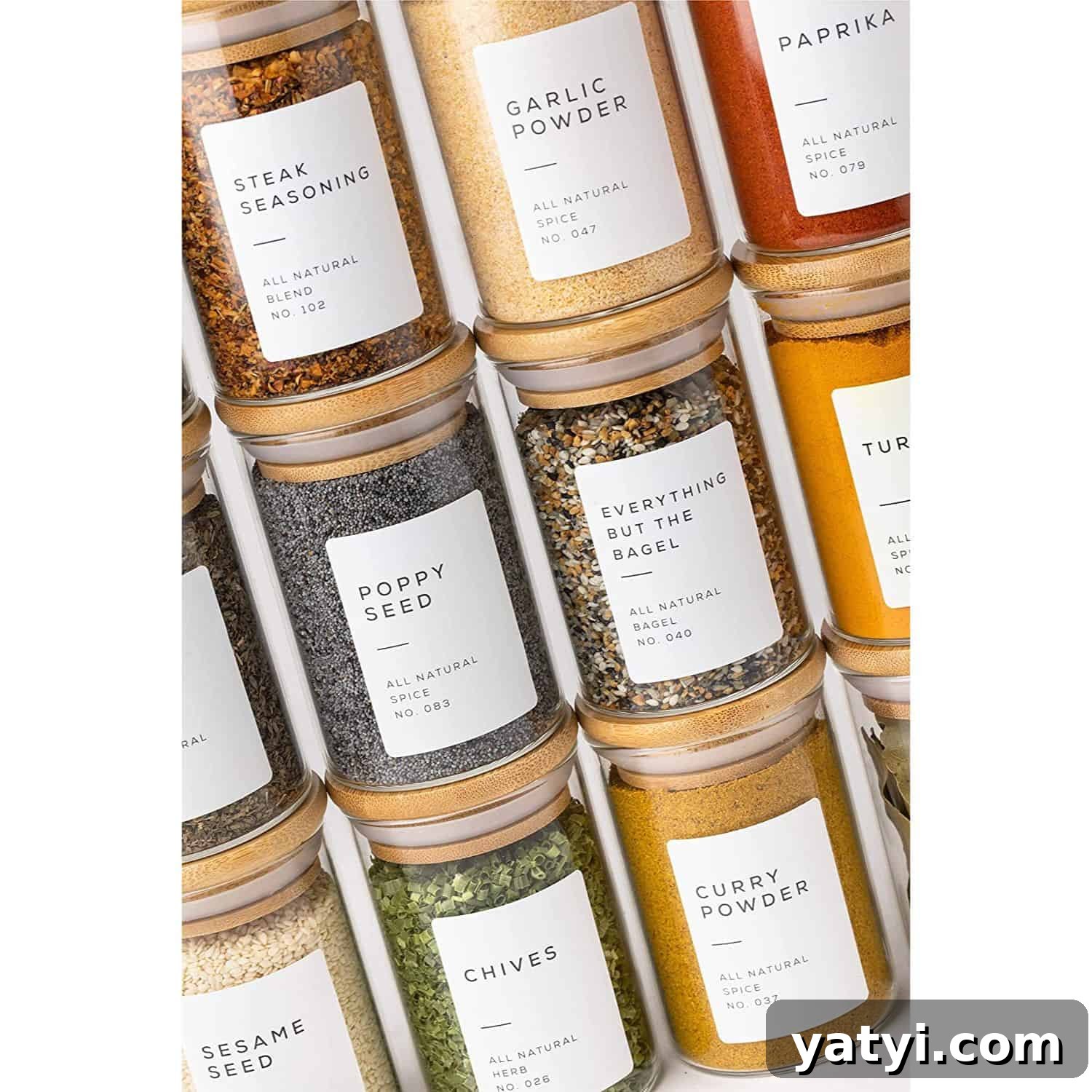
Spice Jars
If you make homemade seasonings often, a set of small jars makes storage and labeling tidy and convenient.
How To Make Cajun Seasoning
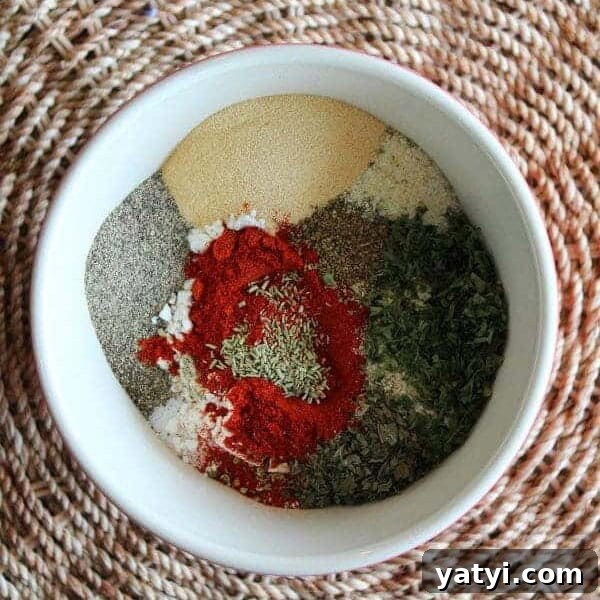
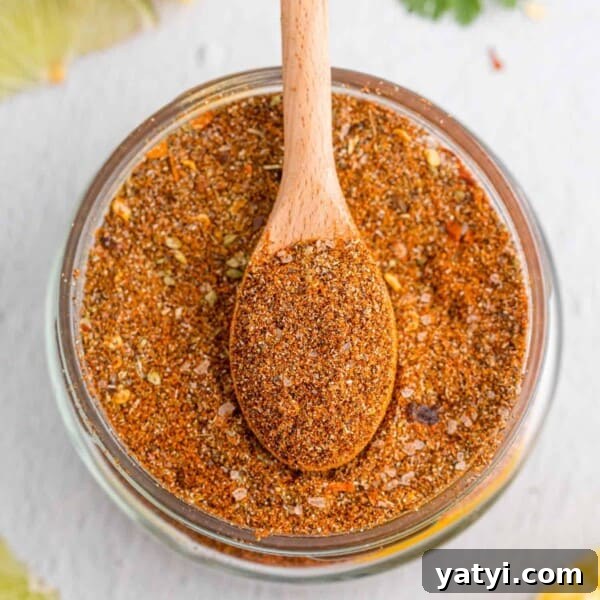
Gather a small jar or container with a tight-fitting lid. Clean, dry recycled jars work well. Lay out all your spices so you can add them in order without missing any—arranging them to one side as you use them helps avoid mistakes if interruptions occur.
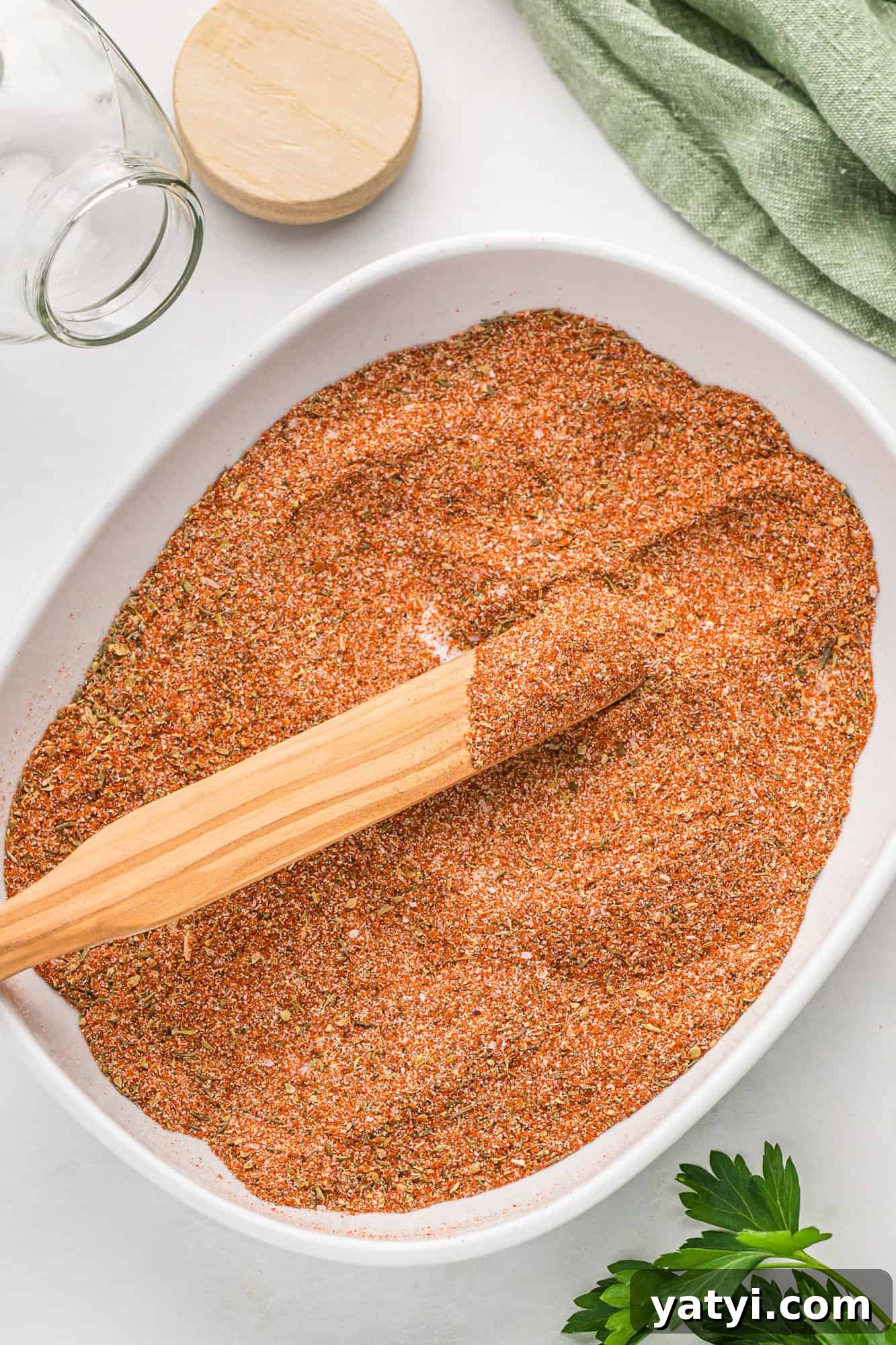
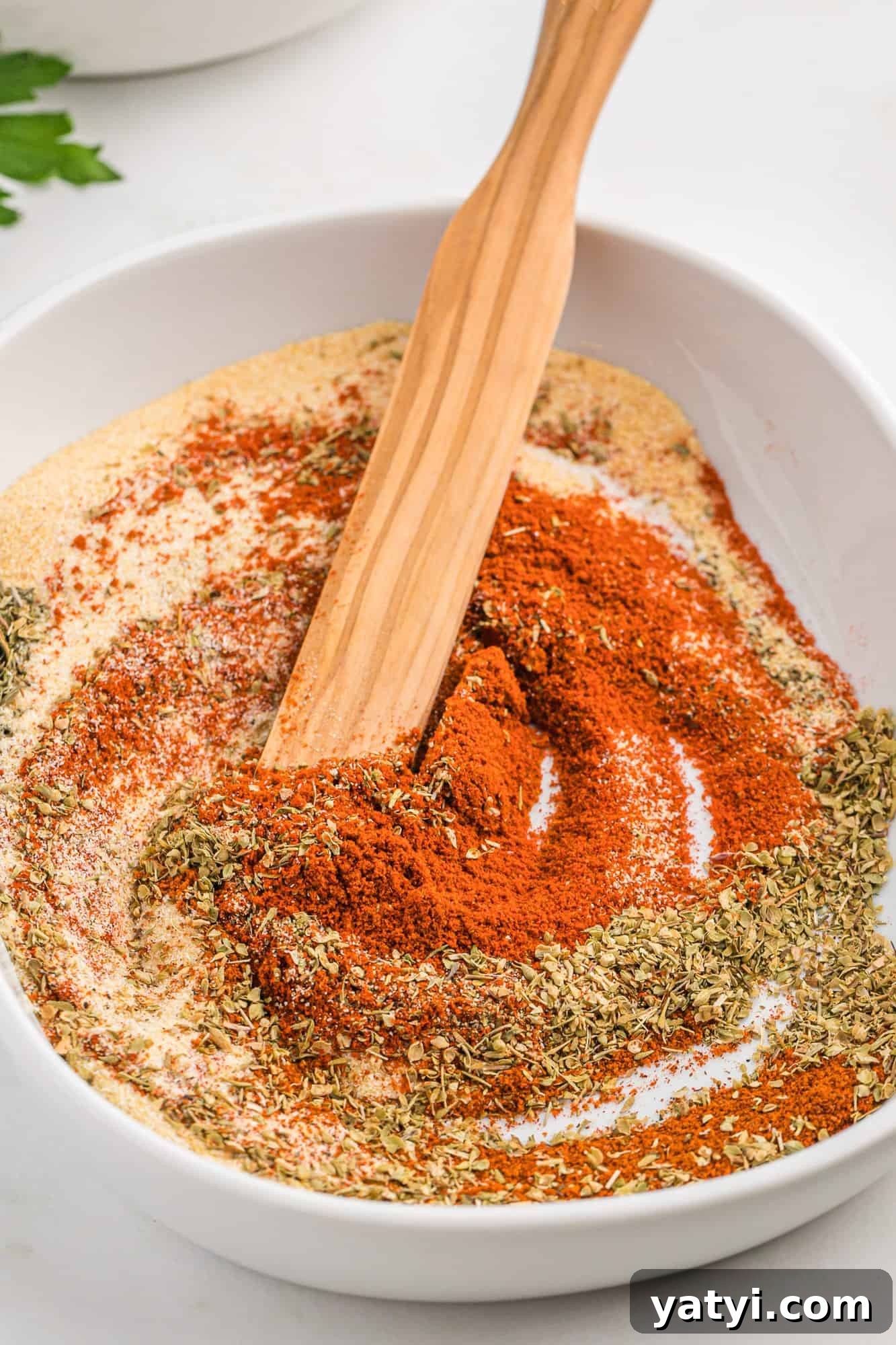
Measure each ingredient directly into the jar or into a small bowl. Cover and shake well until evenly combined. Alternatively, mix in a bowl and transfer to the storage jar.
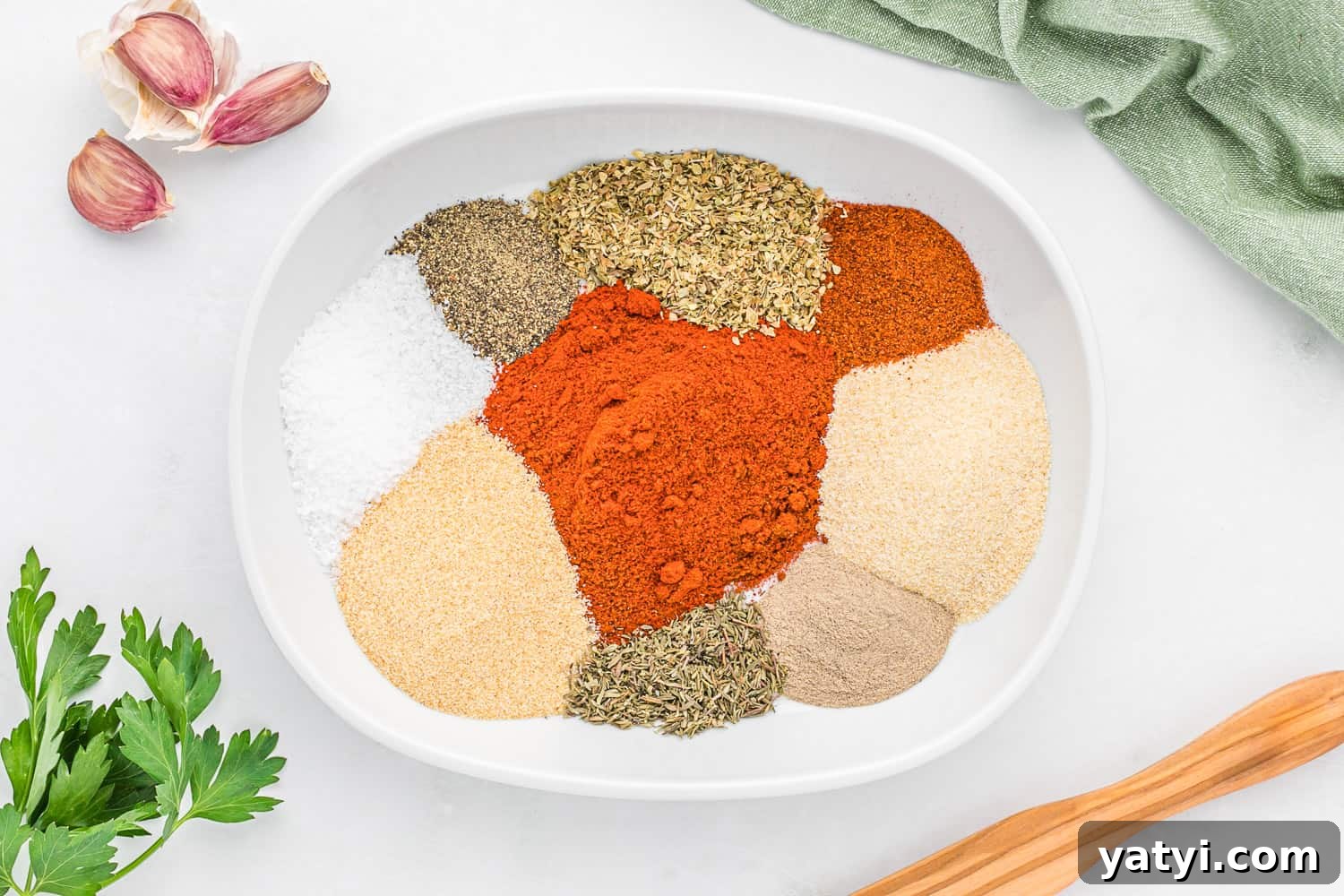
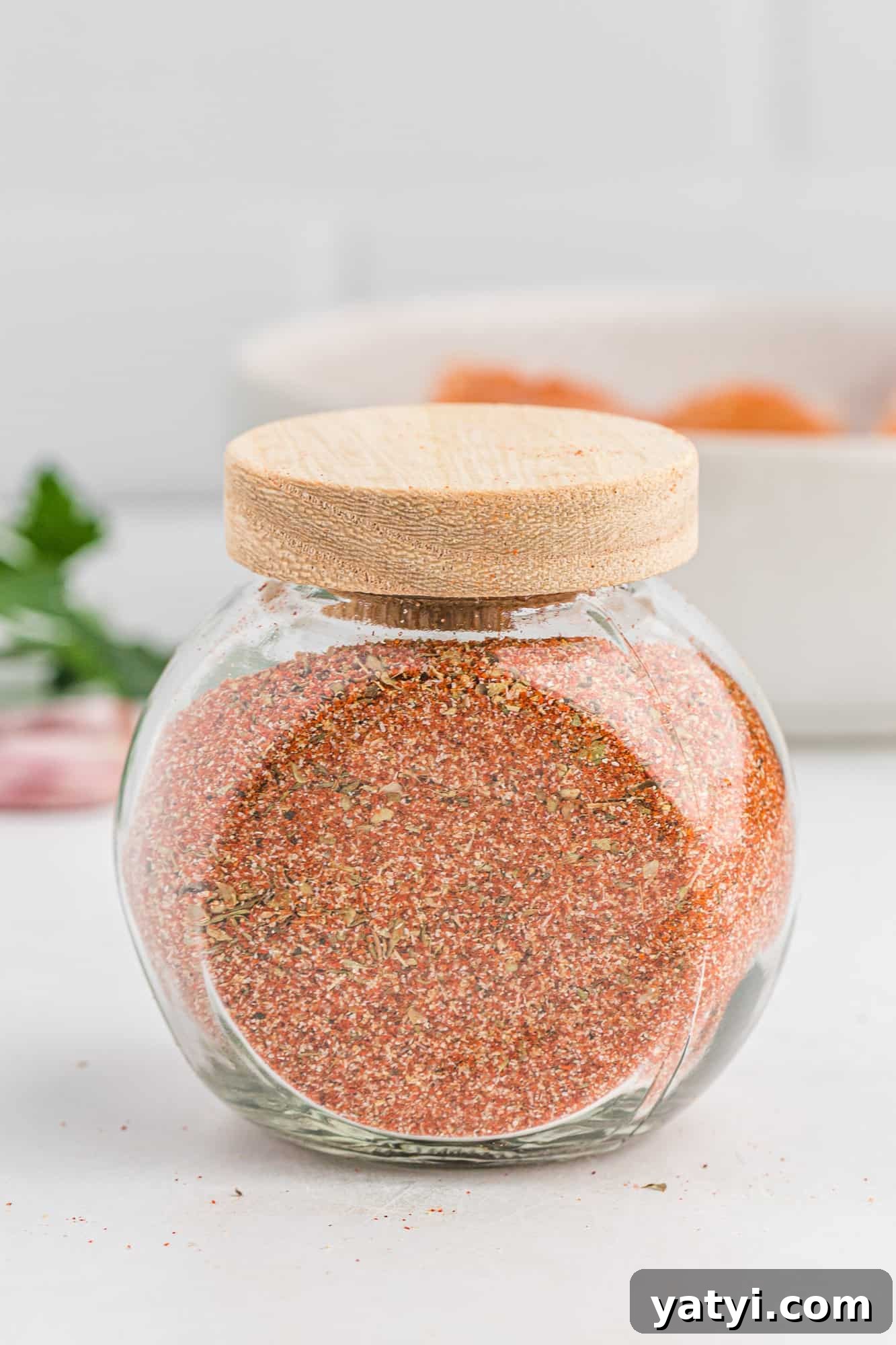
The mix is ready to use immediately and stores well for repeated use.
How To Use Cajun Seasoning
This blend adds bold flavor to many dishes. Try these ideas:
- Cajun mayonnaise: Stir into plain mayonnaise for a spicy spread for burgers, sandwiches, or as a dip for fries and tenders.
- Eggs: Sprinkle over scrambled eggs or deviled eggs for a savory kick.
- Pasta: Season mac and cheese or one-pot Cajun chicken pasta for deeper flavor.
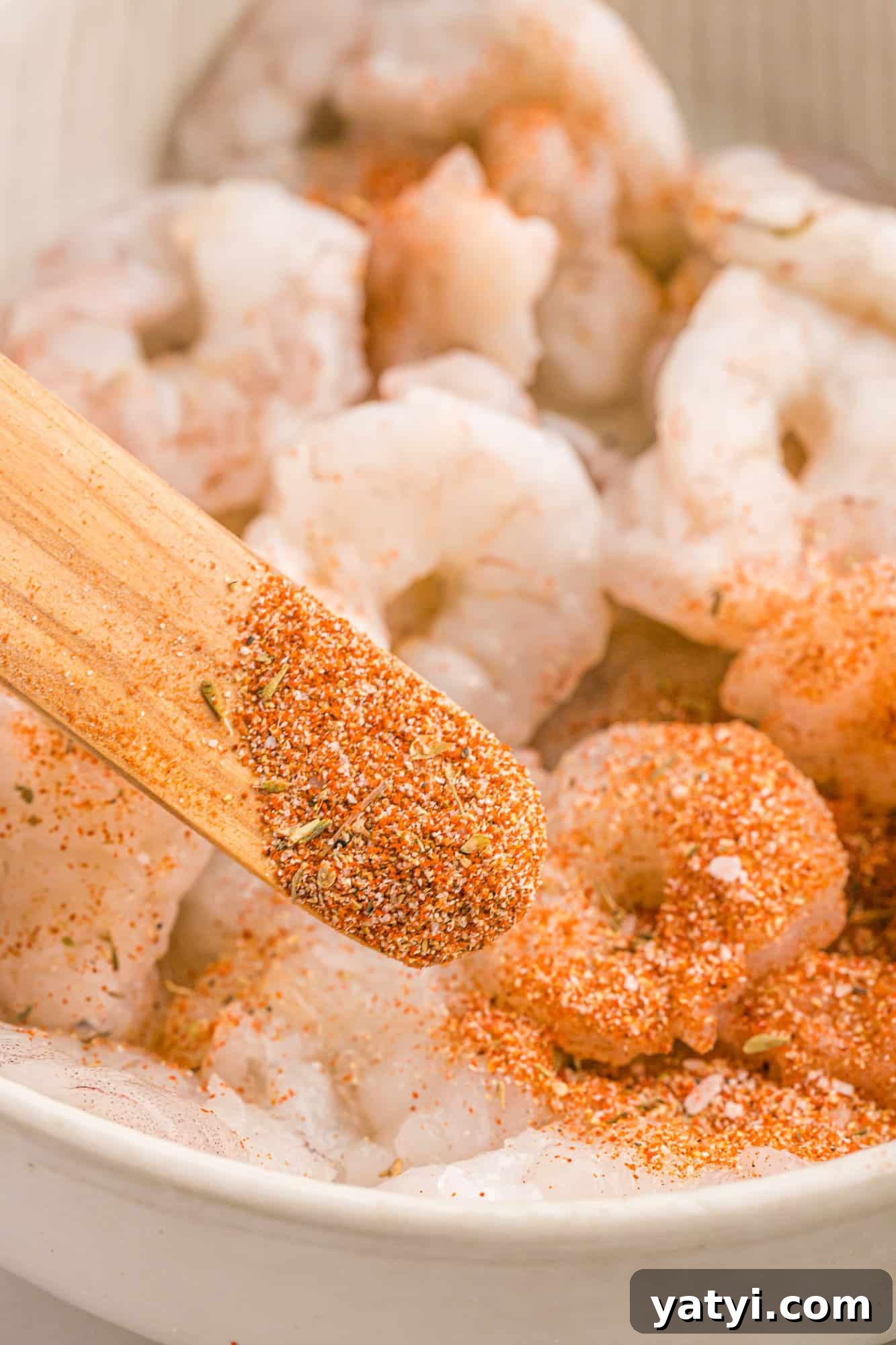
- Shrimp and jambalaya: Use it to season sautéed shrimp or to build the base for jambalaya.
- Marinade: Make a simple 3:1 oil-to-acid marinade (three parts oil, one part vinegar or citrus) and add seasoning to taste.
- Soups and beans: Boost bean soups, chili, or hoppin’ John with a sprinkle of this mix.
FAQs
They’re related but not identical. Cajun blends are typically spicier and more pepper-forward, while Creole mixes tend to be milder and include more aromatic herbs. The two can often be used interchangeably depending on taste.
No. Old Bay is a distinct seafood-focused seasoning that often contains bay leaf and other spices. Cajun seasoning has a spicier, peppery profile and is a different flavor category.
Recipe Variations
- Smoky: Substitute smoked paprika for all or part of the sweet paprika.
- Heat level: Increase or decrease cayenne to suit your tolerance.
- Salt-free: Omit the salt for a sodium-free version.
- Blackening: Use as a base for blackening seasoning by increasing the pepper and adding more paprika for a bold crust on meats and fish.
Storage Tips
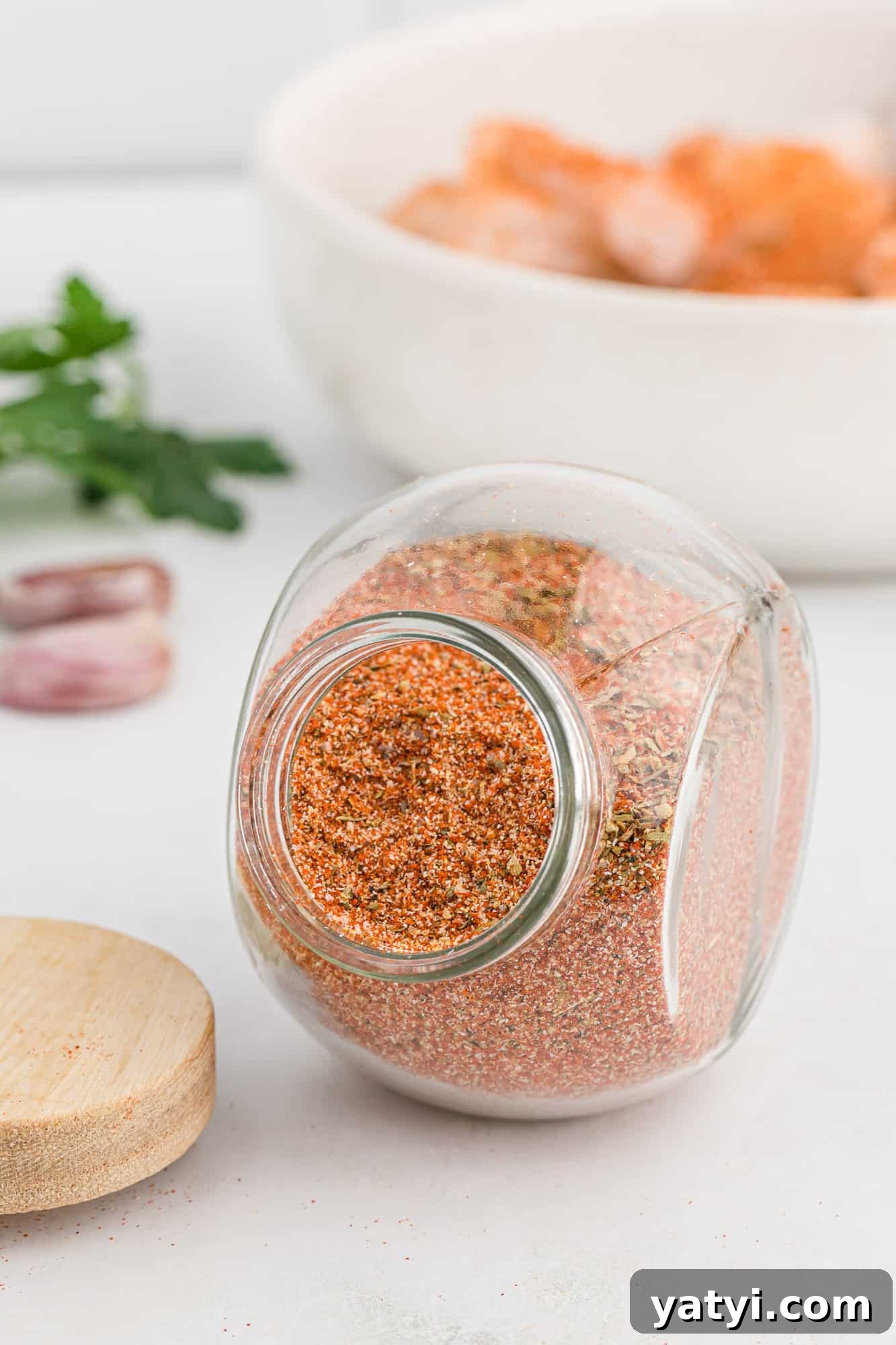
Store the seasoning in a tightly sealed jar in a cool, dark cupboard away from heat and direct light. Kept properly, it retains good flavor for up to two years. Use a dry spoon when measuring to avoid introducing moisture that could cause clumping.
More Homemade Seasoning
Beef Stew Seasoning Mix Recipe {all-natural}
Fajita Seasoning (Better Than Store-Bought)
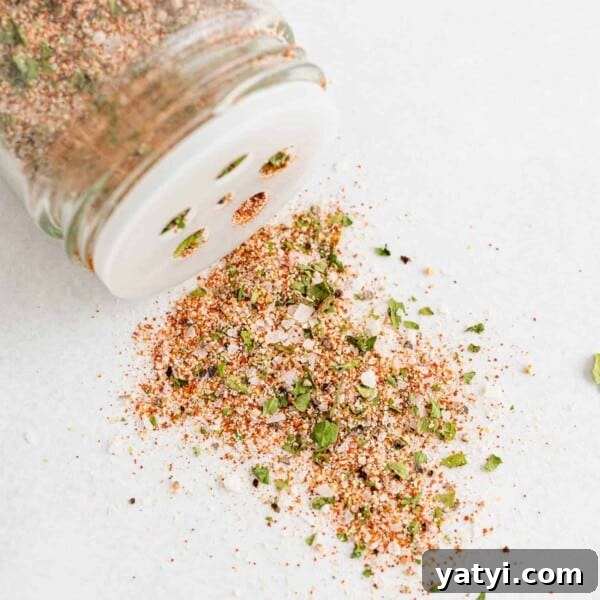
All Purpose Seasoning
Homemade Taco Seasoning
Cajun Seasoning Recipe
Ingredients
- ¼ cup sweet paprika
- 2 tablespoons onion powder
- 2 tablespoons garlic powder
- 1 tablespoon dried oregano
- 1 teaspoon dried thyme
- 2 teaspoons kosher salt
- 1 teaspoon white pepper
- 1 teaspoon black pepper
- 1 teaspoon cayenne pepper
Instructions
-
In a small bowl or jar with a tight-fitting lid, combine all ingredients. Makes just under ¾ cup.
-
Store at room temperature in a tightly sealed container for up to 2 years.
Notes
- Make it smoky: Substitute smoked paprika for some or all of the sweet paprika.
- Adjust the heat: Reduce or increase the cayenne to suit your taste.
- Salt-free: Omit the salt to make a sodium-free blend.
Video
Nutrition
Nutrition information is automatically calculated and should be used as an approximation.