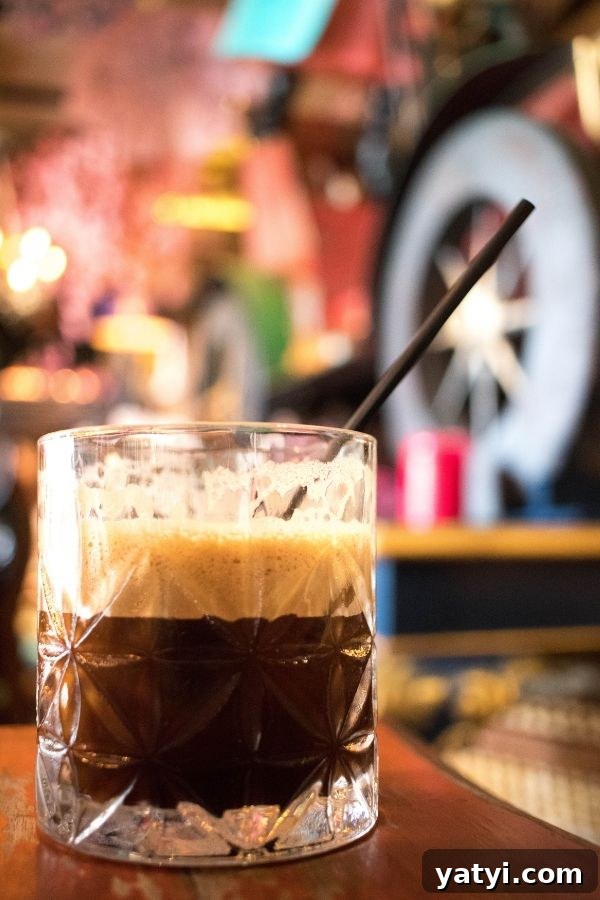
Before arriving in Athens we’d heard that coffee in Greece is exceptional — and it truly is. We fell for both the coffee and the warm Greek coffee culture. After visiting the Acropolis and sampling the city’s fantastic food, make time to relax in Athens cafés and soak up the local coffee scene.
Greece offers many coffee styles. Below is a guide to the most common choices you’ll encounter, how they’re served, and typical prices so you can order with confidence during your trip.
Table of Contents
Toggle
Coffee in Greece – what to order
Traditional Greek Coffee (Kafe Elliniko)
Traditional Greek coffee — often called Turkish or Arabic coffee elsewhere — is an unfiltered brew prepared in a small copper or brass pot known as a briki (or ibrik). It’s served in a small cup similar to espresso and has a distinctive, rich texture because the grounds remain in the cup.
Common sweetness levels include:
- Sketos (plain): black, no sugar
- Ne or Ne ke Ohi: light — about ½ teaspoon sugar
- Elafris: ½–1 teaspoon sugar
- Glykos: 1–2 teaspoons sugar
- Varis: 1 teaspoon sugar with a stronger coffee measure
- Variglykos: very sweet, up to 3 teaspoons sugar
Average cost: €1.50–€2.
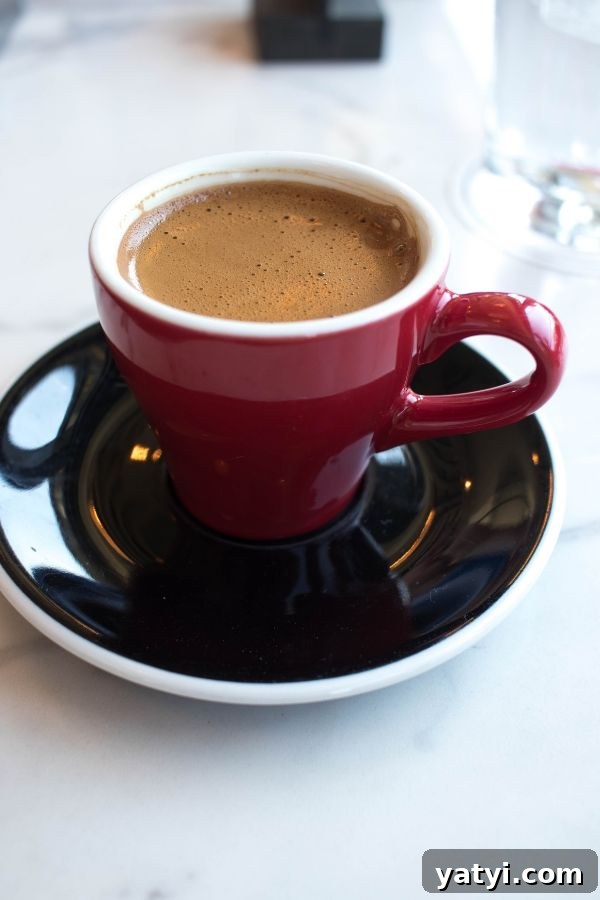
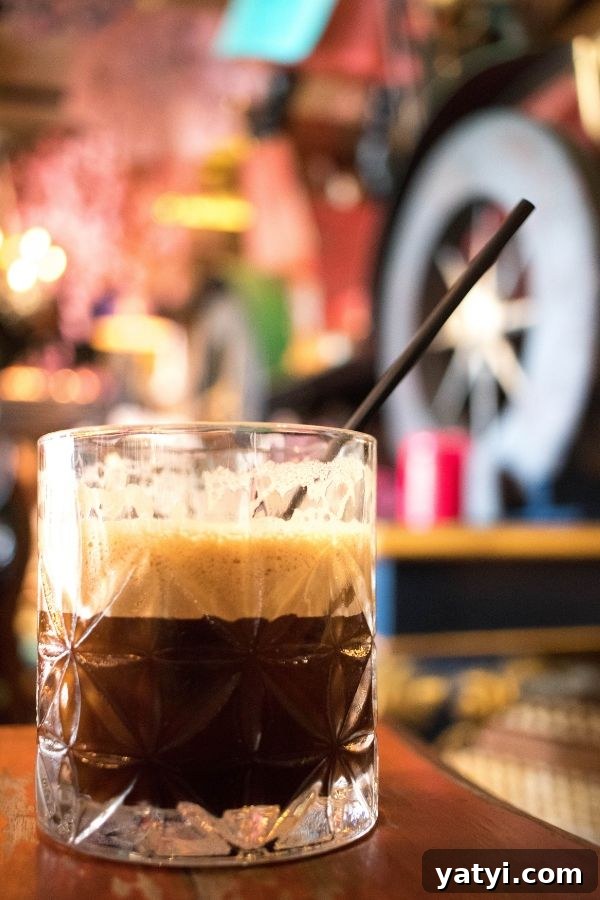
Espresso Freddo
Espresso Freddo is a shaken cold espresso served over crushed or cubed ice. It’s extremely popular across Greece—refreshing, bold, and perfect for warm days. Expect it in a tall glass, sometimes lightly sweetened or topped with a fine crema.
Average cost: €2.50–€3.50.
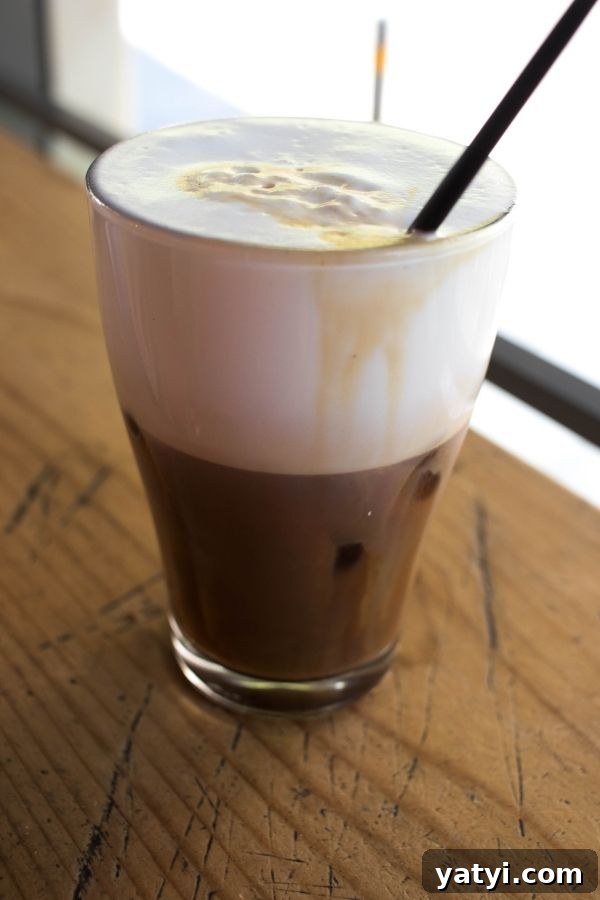
Cappuccino Freddo
Cappuccino Freddo combines espresso with cold, frothy milk and ice for a creamy, chilled cappuccino. Like the espresso freddo, it’s served in a tall glass and is one of the trendiest, most delicious coffee choices in Athens.
Average cost: €2.50–€3.50.
Frappe
The frappe is an iced coffee made from instant coffee, water, and sugar, shaken until frothy and served over ice. Invented in Thessaloniki in the 1950s, it became Greece’s iconic iced coffee. In recent years, many people have shifted to espresso and cappuccino freddos, but the frappe remains a classic.
Average cost: €2.50–€3.50.
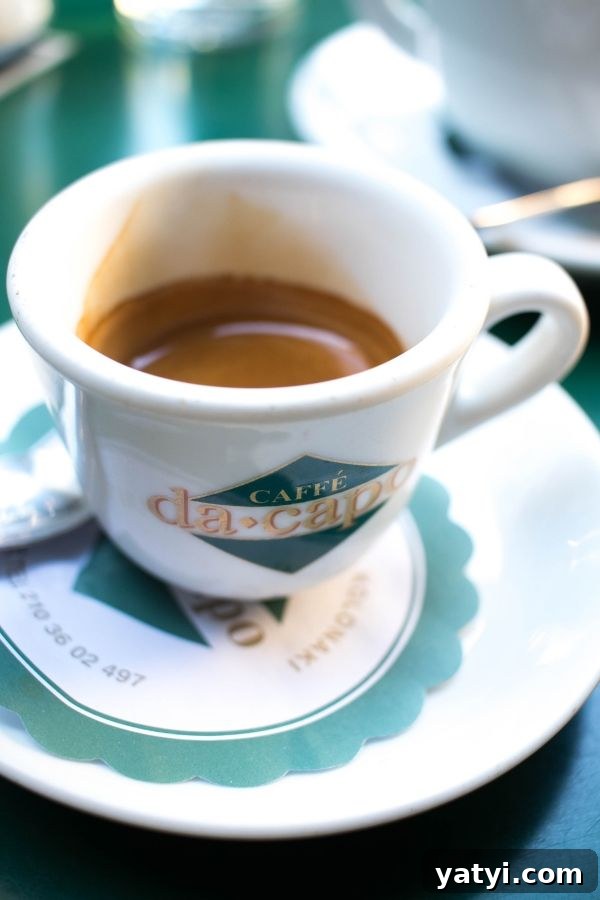
Espresso
Espresso in Greece mirrors the Italian style: concentrated, short, and robust. It’s served in a small espresso cup and is a common quick pick-me-up at any time of day.
Average cost: €1.50–€2.
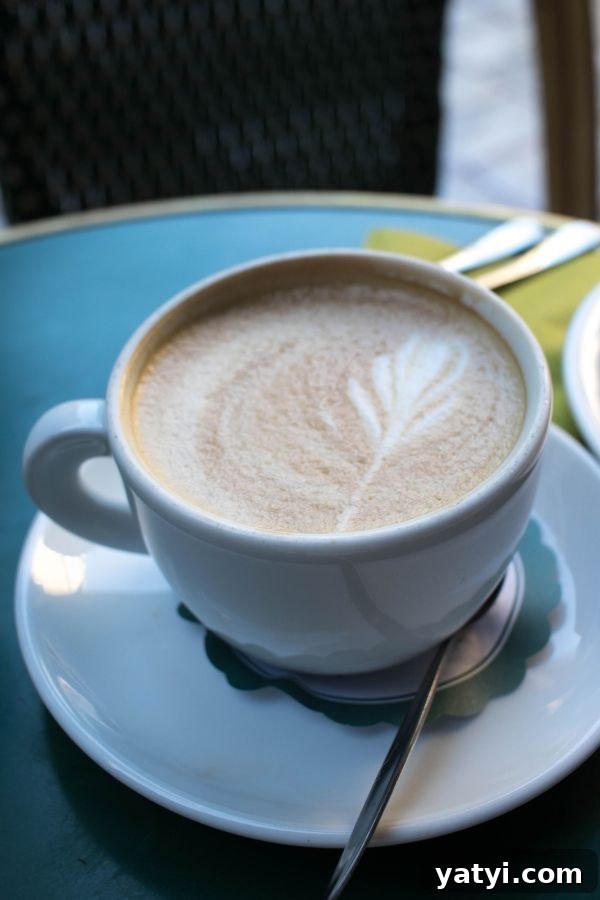
Cappuccino
A familiar favorite worldwide, the cappuccino is also popular in Greece. Served hot with steamed milk and foam, it’s a comforting choice for many visitors and locals alike.
Average cost: €2–€3.
Our favorite coffee shops in Athens
- Da Capo: Tsakalof 1, Kolonaki Square, Athens
- Taf Coffee: Emmanouil Mpenaki 7, Athens
- Carpo: Kanari 6, Athens
- Little Kook Cake Shop: Karaiskaki 17, Athina 105 54, Athens
We asked our Instagram followers about Greek coffee varieties and received many great questions. Below are answers to the most common queries travelers ask.
Is coffee popular in Greece?
Absolutely. Coffee is a central part of daily life in Greece. Cafés are social hubs where friends meet for conversation, work, or relaxation over a cup.
Is coffee good in Greece?
Yes — the coffee is consistently good. Many travelers and locals especially praise espresso freddo and cappuccino freddo for their balance and flavor. Take time to sample different styles while you’re there.
How to order coffee in Greece?
Ordering is straightforward. While most Greeks speak English, learning basic Greek names for your favorite coffee adds to the experience. A friendly greeting like Γεια σου (Ya su) is always appreciated.
How much is coffee in Greece?
Coffee is generally affordable compared with many Western European cities. Prices vary by type and location, but the ranges listed above reflect typical café costs in Athens.
Why is coffee expensive in Greece?
Coffee prices are relative: they may feel higher or lower depending on where you’re coming from. Overall, Athens prices are reasonable compared with many major European cities, though they can be a bit higher than in Italy.
Does coffee grow in Greece?
No. Coffee beans aren’t native to Greece; the country imports roasted and green beans for local consumption.
Can you get decaf coffee in Greece?
Yes, decaf is available, especially at specialty cafés. It may not be offered everywhere, so ask staff if you prefer decaffeinated options — Greeks are typically helpful and accommodating.
Enjoy the coffee culture in Greece!
Pin for later!
Pin for later!
Related Posts
Food in Athens – Everything You Must Eat in Athens & The Best Food Tour
Don’t Miss These Cafes in Paris!
Partisan Cafe Paris