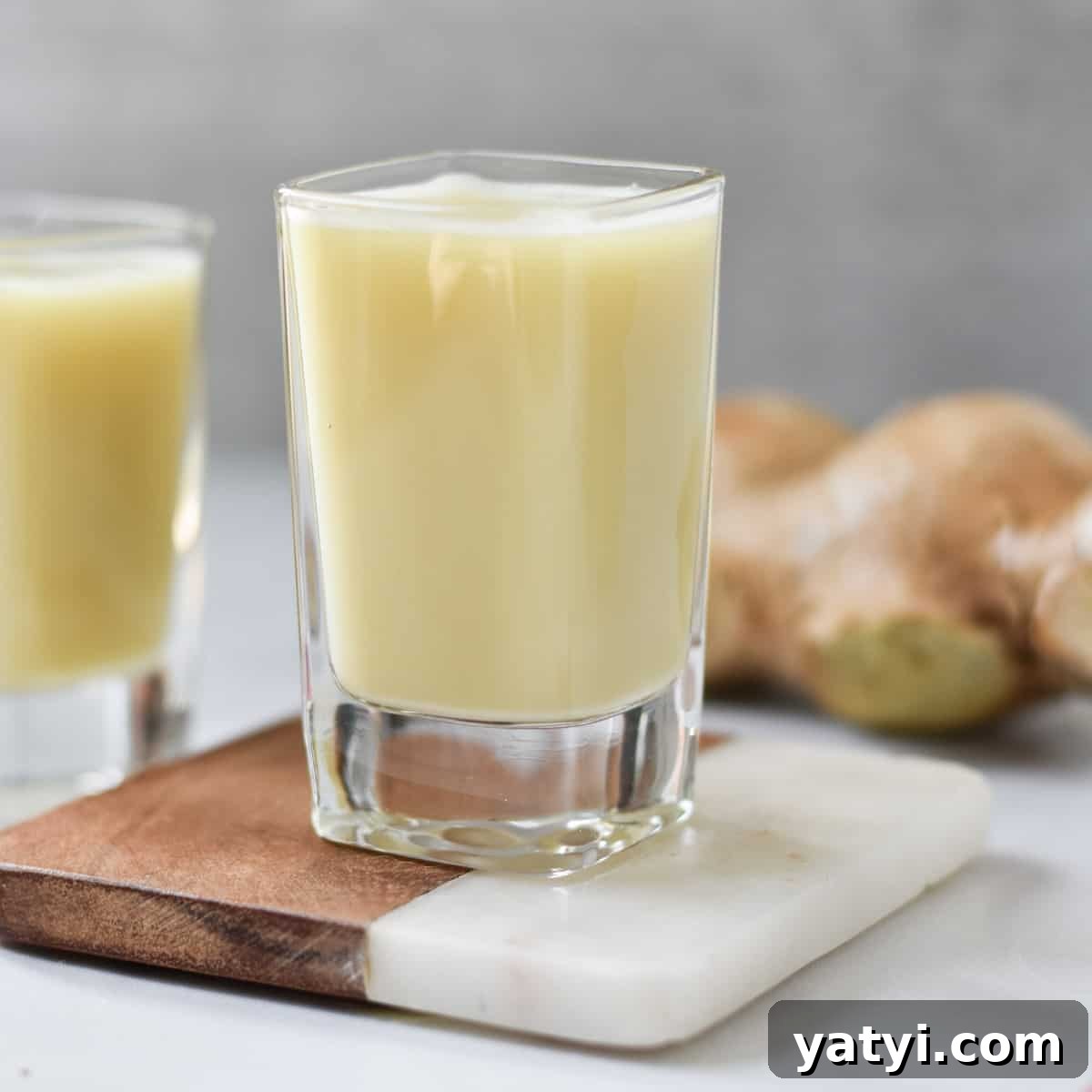
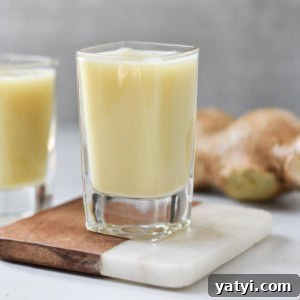
Learn how to make ginger juice with or without a juicer. This bright, fresh juice is rich in anti-inflammatory compounds and works well in drinks, as a concentrated ginger shot, or stirred into soups and sauces.
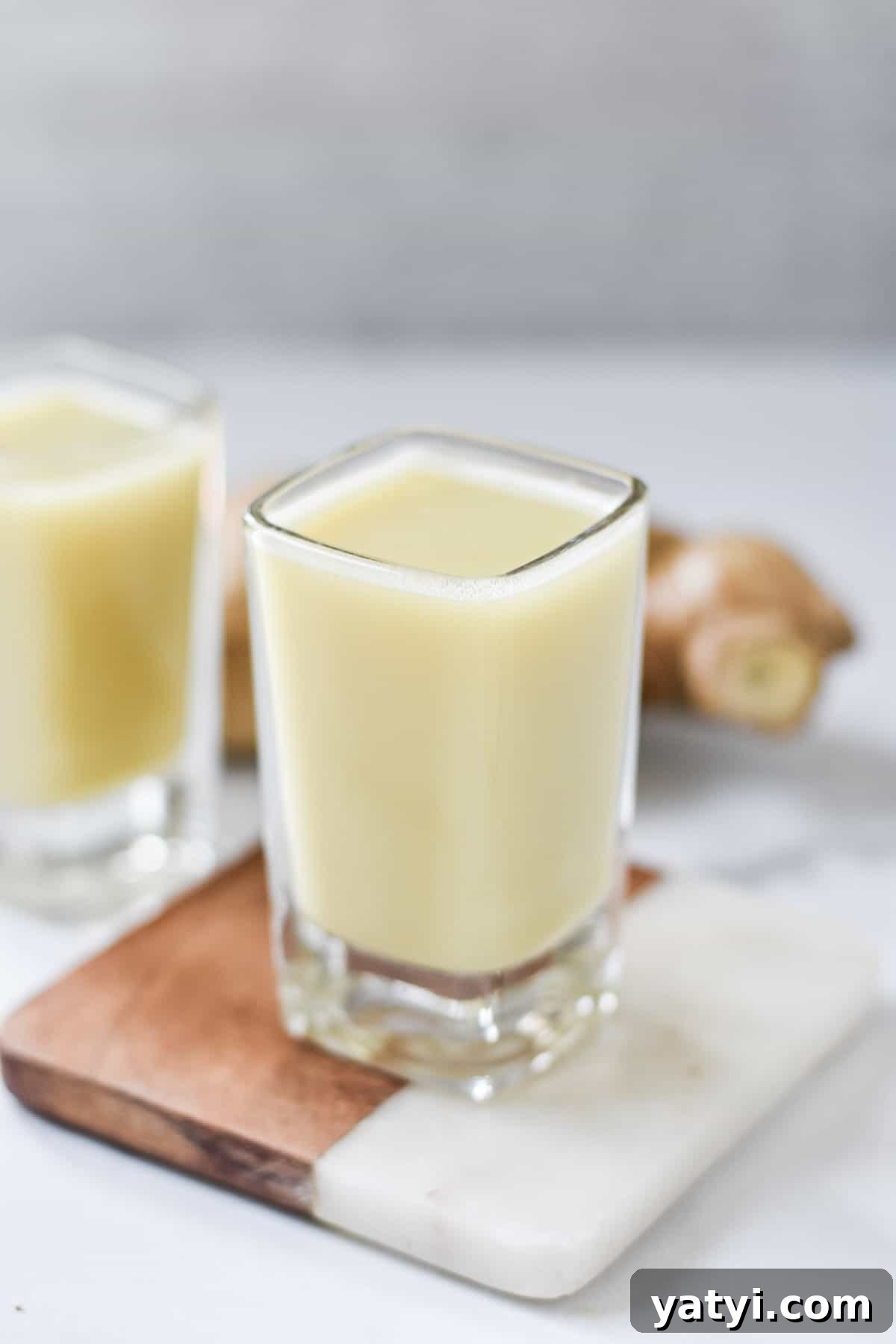
The key to excellent homemade ginger juice is the right ginger-to-water ratio. After testing this recipe many times, the proportions below deliver a bold, fresh ginger flavor that stands up when mixed with other juices or sparkling water.
This ginger juice is versatile—use it in mocktails, swap it for fresh grated ginger in smoothies or juices, or dilute it with sparkling water and a touch of sweetener for a low-sugar ginger ale alternative.
Why You’ll Love This Ginger Juice
Ginger contains gingerol, a compound known for anti-inflammatory and antioxidant effects. This homemade ginger juice is appealing because:
- Simple – The core ingredient is fresh ginger.
- No juicer required – You can make it with a blender and a fine mesh strainer, or use a juicer for a more concentrated result.
- Cost-effective – Making ginger juice at home is far cheaper than buying single-serve shots.
Many people find a morning ginger shot energizing and helpful for settling an upset stomach when diluted.
Ingredients
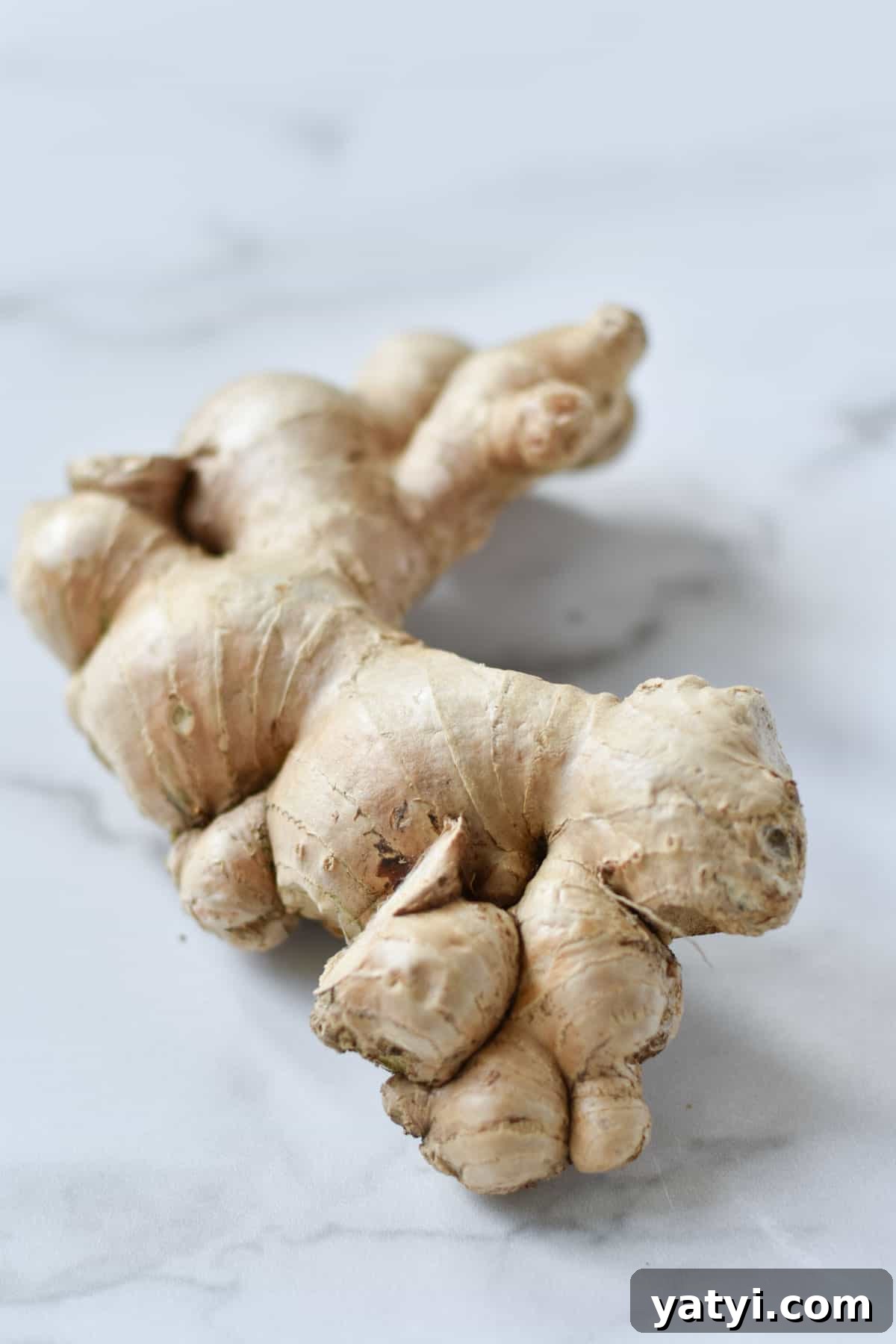
Only a few items are needed to make ginger juice. For the blender method you’ll add water; for a juicer, just clean ginger root is enough.
- Fresh ginger root – Choose firm, unwrinkled pieces. It’s fine to break off what you need; the remaining root keeps well.
- Filtered water – Use filtered water for the blender method. For extra electrolytes or milder flavor, substitute coconut water or electrolyte water.
Optional: honey, maple syrup, or agave to sweeten; lemon juice to add brightness; or other juices to dilute and balance heat.
Equipment Needed
A juicer yields a potent, flavorful ginger juice, but a blender plus a fine mesh strainer also works well.
Useful equipment:
- Juicer (optional)
- High-speed blender (if not using a juicer)
- Kitchen scale (helpful for measuring ginger)
- Fine mesh strainer
How to Make Ginger Juice
Below are both the blender and juicer methods so you can choose based on what you have at home.
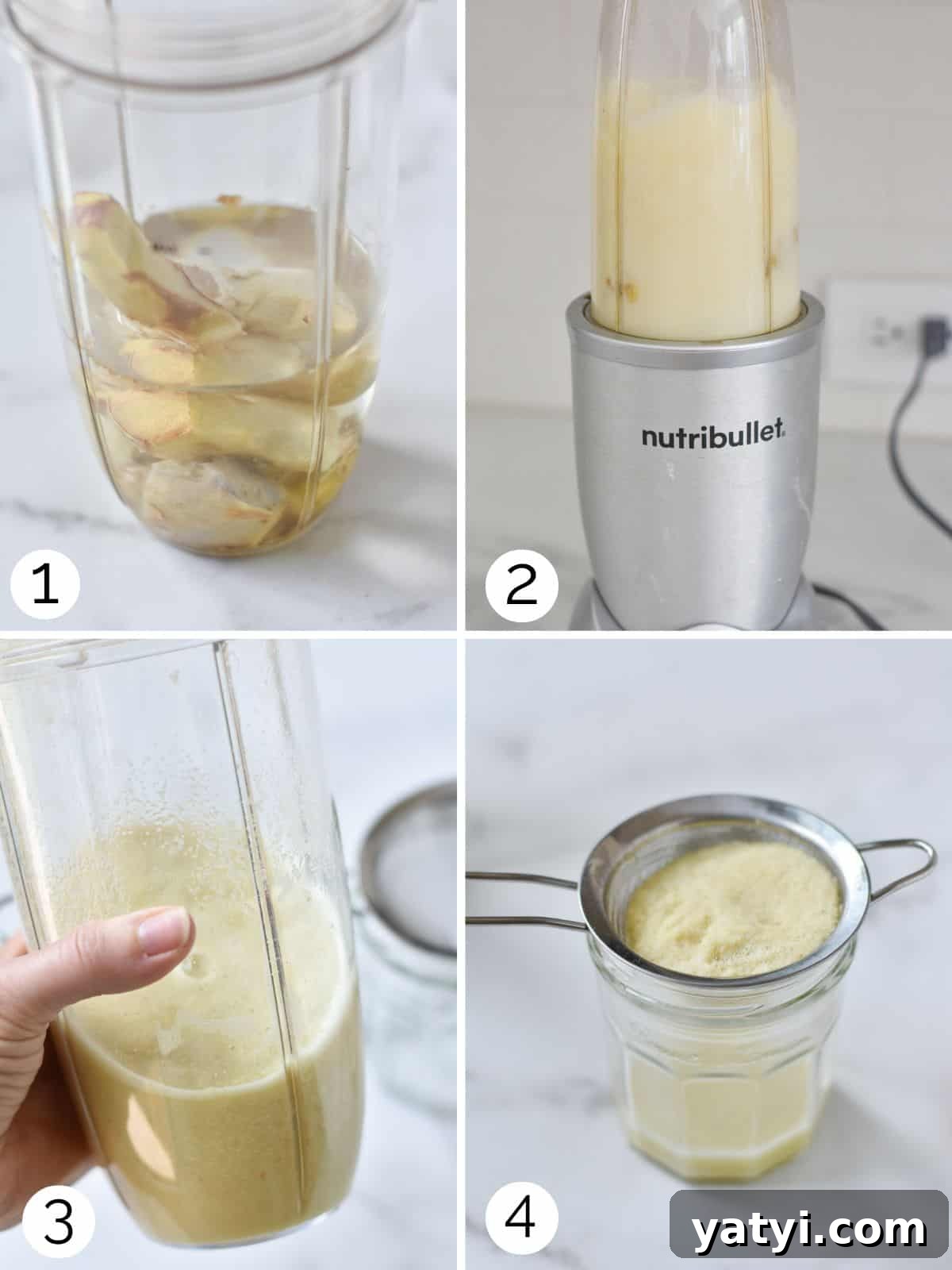
Blender Instructions
Step 1: Measure and prepare the ginger
Weigh 5 ounces (about 140 g) of ginger. You can peel it with the back of a spoon or leave the skin on if it’s thin and clean.
Step 2: Blend with water
Place ginger and 1 cup (240 ml) of filtered water in the blender and blend until smooth, about 30 seconds to 1 minute.
Step 3: Strain
Pour the blended mixture through a fine mesh strainer into a jar, pressing the pulp with the back of a spoon to extract as much juice as possible. Save or discard the pulp — it can be steeped for tea or added to smoothies or cooked dishes.
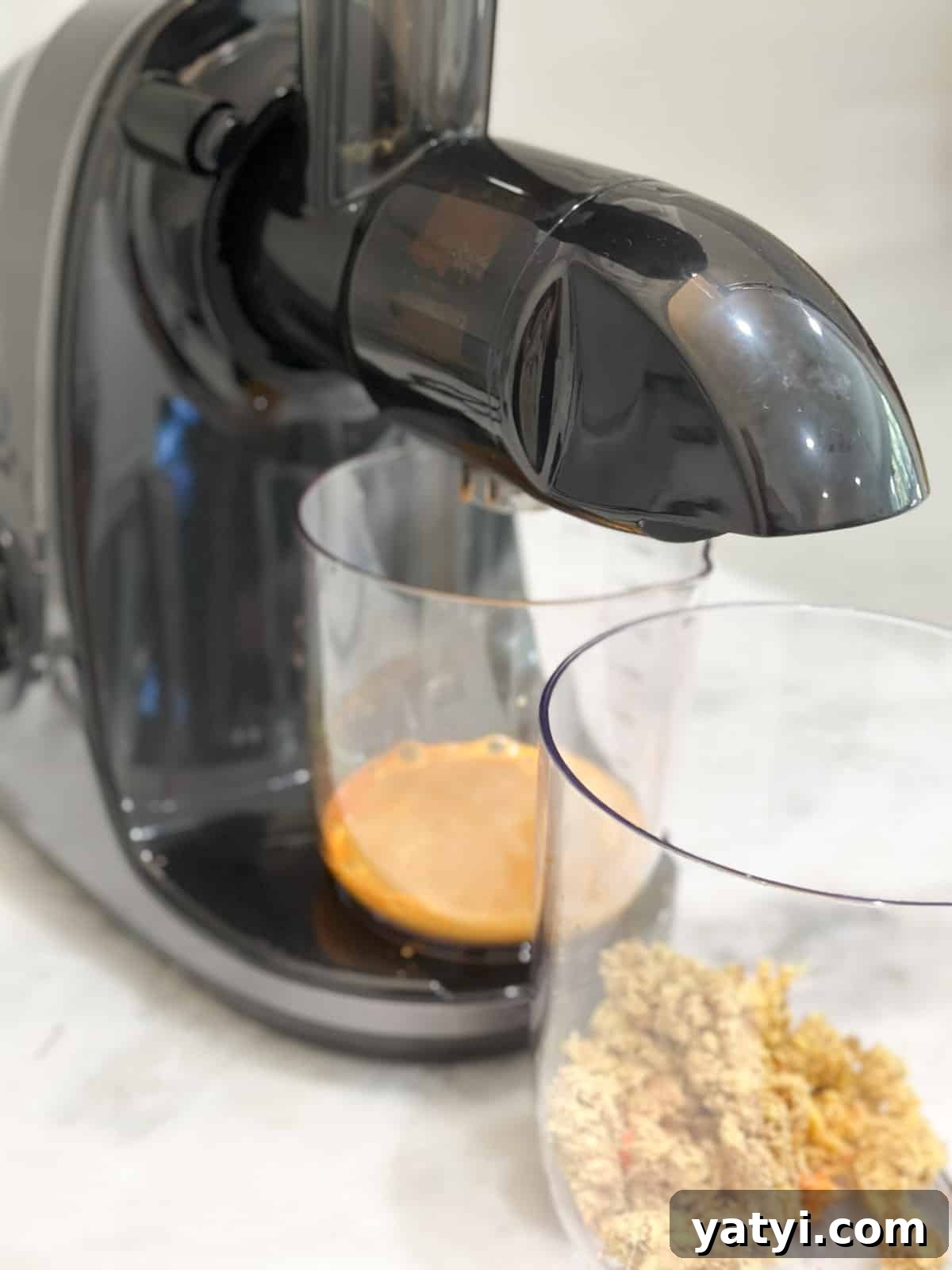
Juicer Instructions
Step 1: Clean the ginger
Scrub the ginger well to remove dirt. Peeling is optional when using a juicer.
Step 2: Juice
Feed the ginger through the juicer slowly. No additional water is required. Discard or compost the pulp.
Storage Ideas
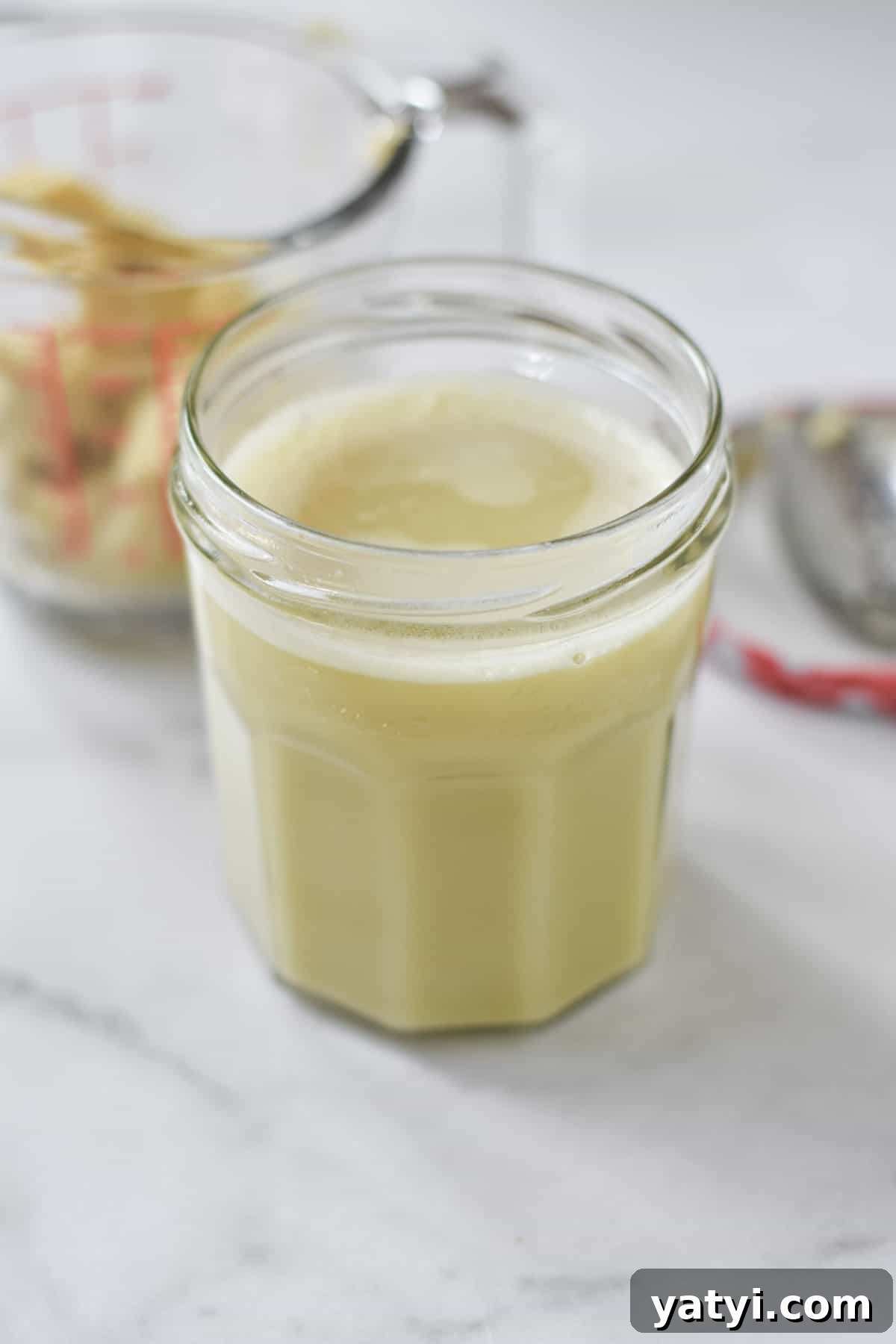
- Refrigerator – Store in an airtight glass container for up to one week.
- Freezer – Freeze into ice cube trays for single-serving portions to add to drinks or sauces.
Tip: ginger juice can settle; shake or stir well before serving.
Serving Suggestions
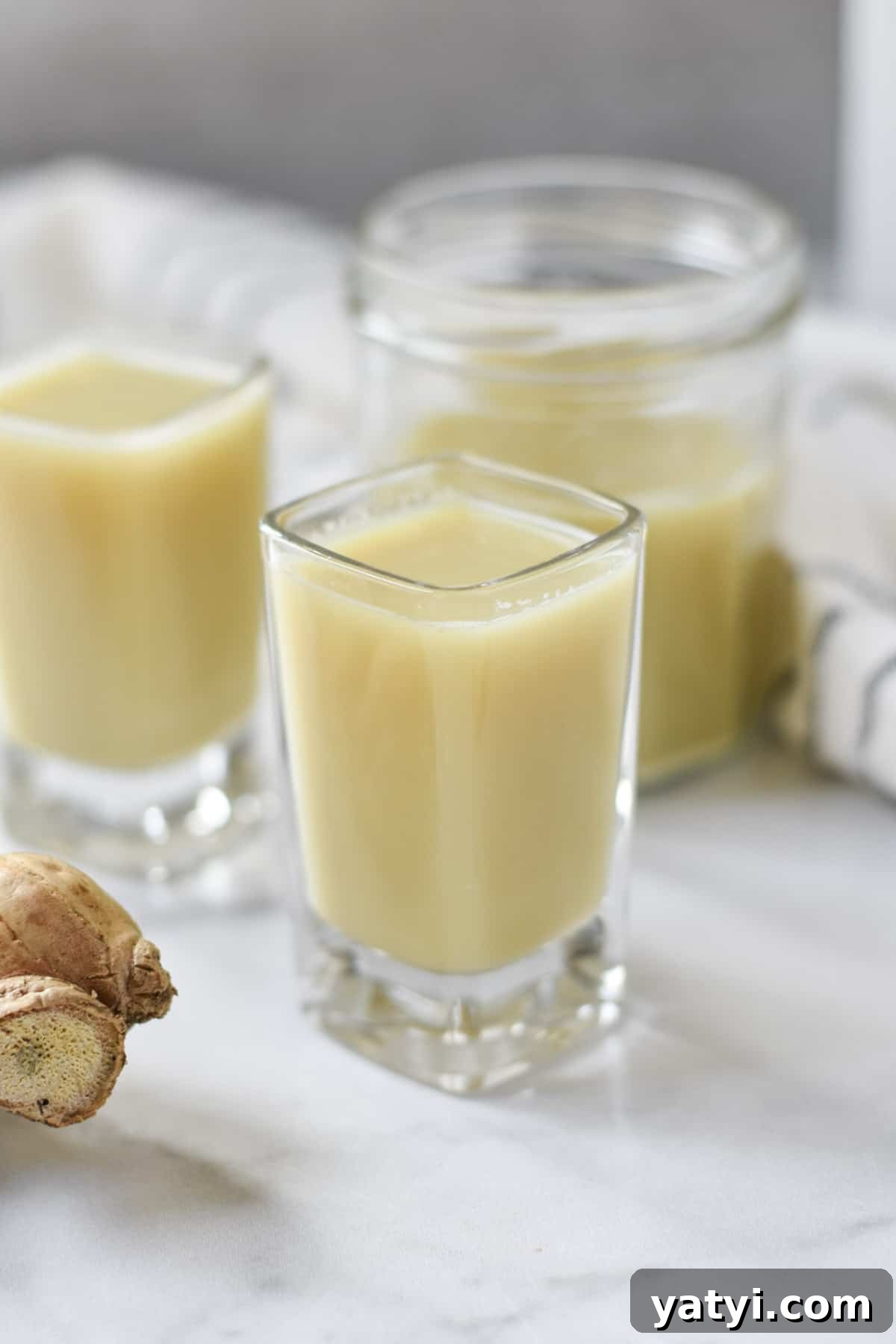
Ginger juice is concentrated and flavorful. Here are several ways to use it:
- Mix with sparkling water and a little sweetener for homemade ginger ale.
- Add to fruit or vegetable juices (pear, apple, carrot, beet) for a spicy kick.
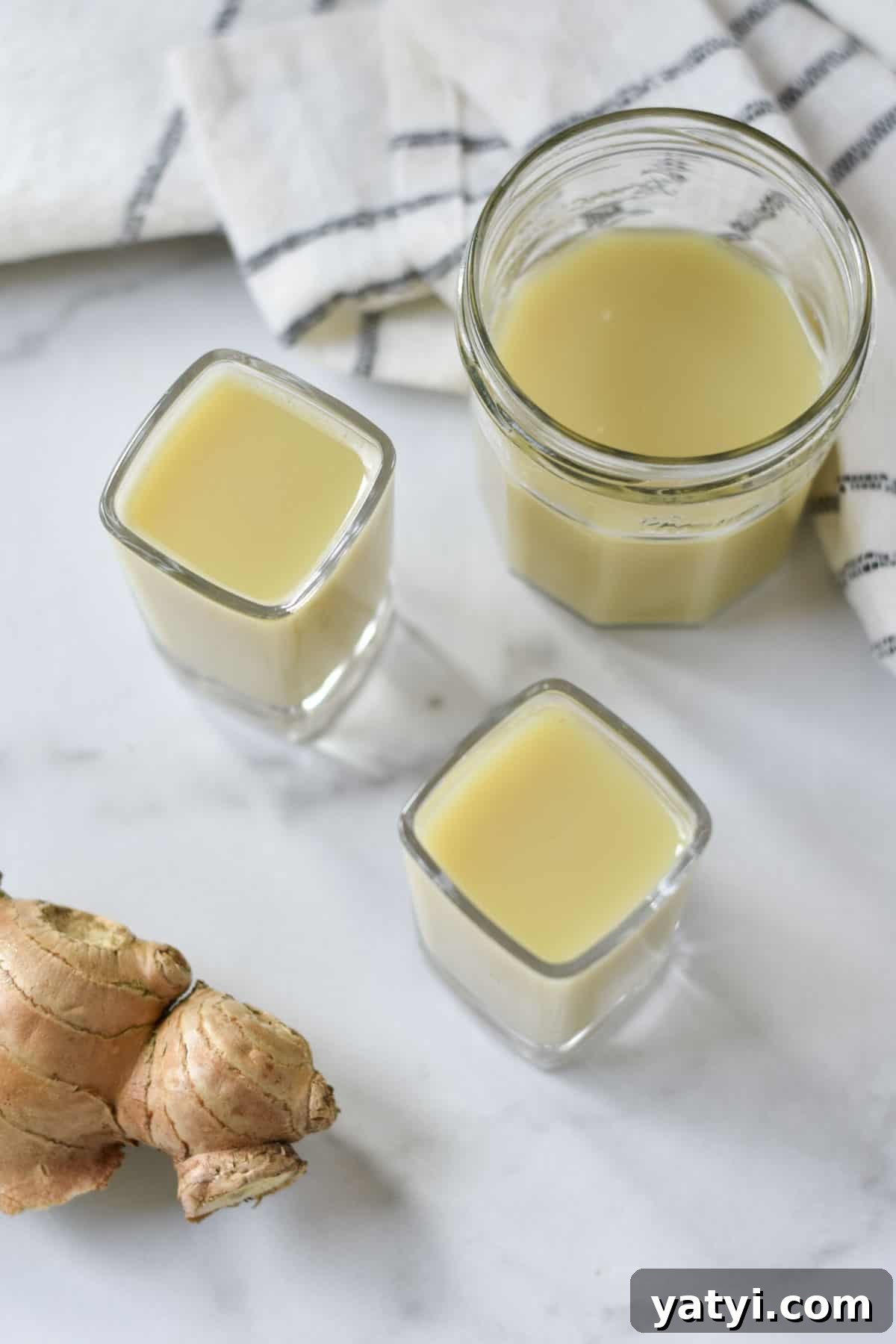
- Use as a ginger shot diluted with a splash of water or coconut water for a quick wellness boost.
- Replace fresh grated ginger in recipes like stir-fries or dressings.
- Make ginger tea by adding a spoonful of juice to hot water and sweetening to taste.
- Combine with electrolyte water for a simple homemade rehydration drink.
How to Make Juiced Ginger Less Spicy
This concentrated ginger can be intense. To tone down heat:
- Mix with other juices such as carrot or beet.
- Dilute with still or sparkling water, or coconut water.
- Add a touch of honey, maple syrup, or agave to soften the bite.
Sweetness and dilution both reduce perceived spiciness.
Frequently Asked Questions
Either a juicer or a blender with subsequent straining works well. Grating by hand is possible but more time-consuming.
No. A fine mesh sieve usually does the job and is more common in home kitchens, though cheesecloth can be used if preferred.
Consult your physician. Some people—particularly those who are pregnant, take blood thinners, or have frequent heartburn—may need to limit intake.
For the blender method peeling helps with extraction and keeps the pulp cleaner. With a juicer, thorough washing is usually sufficient.
Anti-Inflammatory Wellness Shots
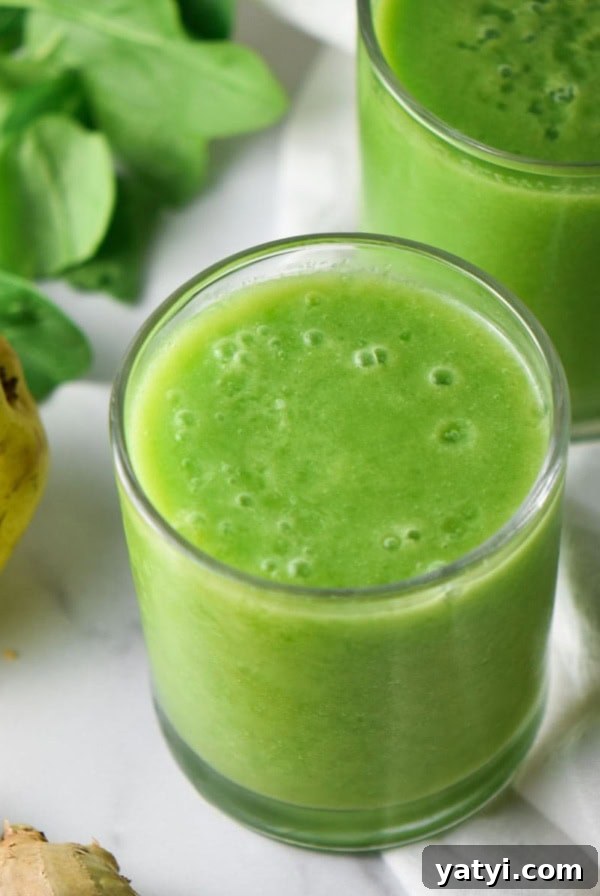
Smoothies
Anti-Inflammatory Smoothie
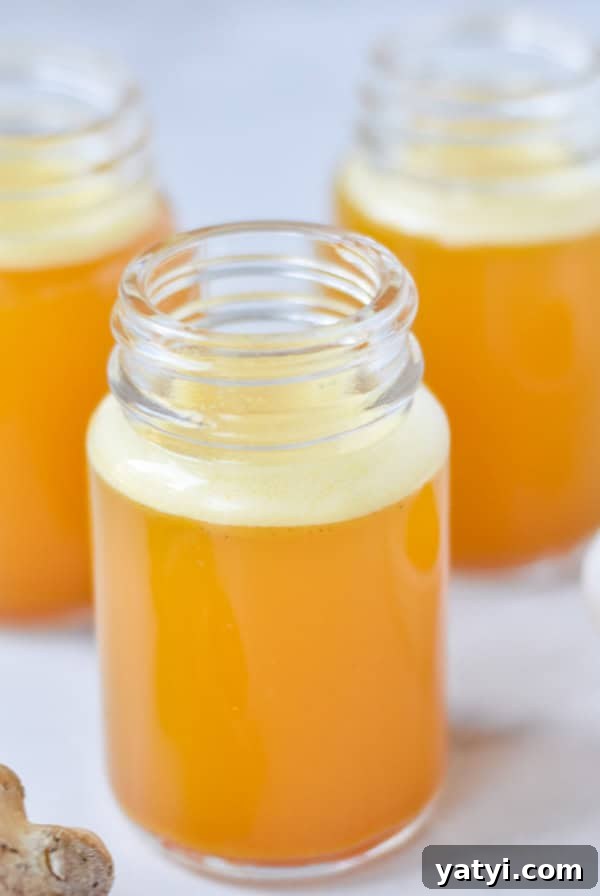
Juices
Ginger Turmeric Shots with a Blender
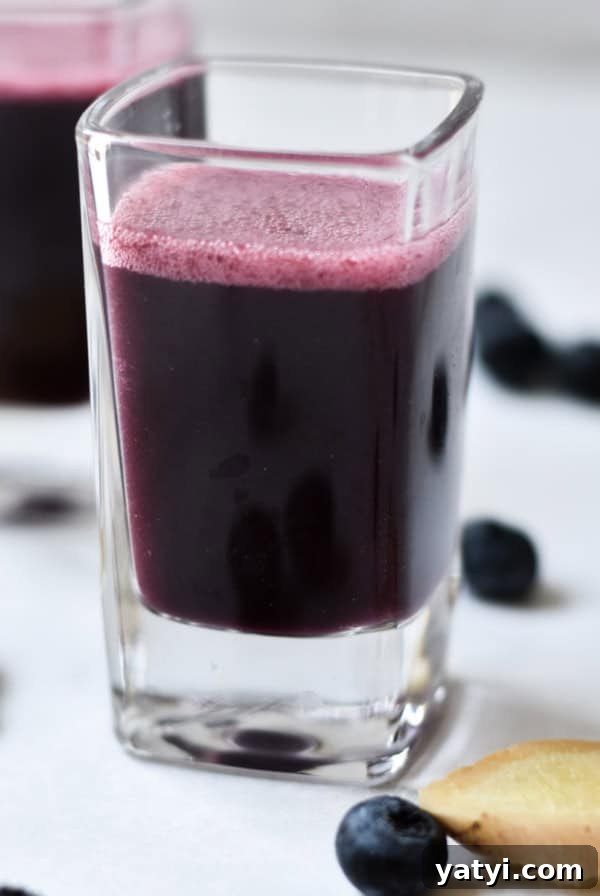
Juices
Homemade Immunity Shot
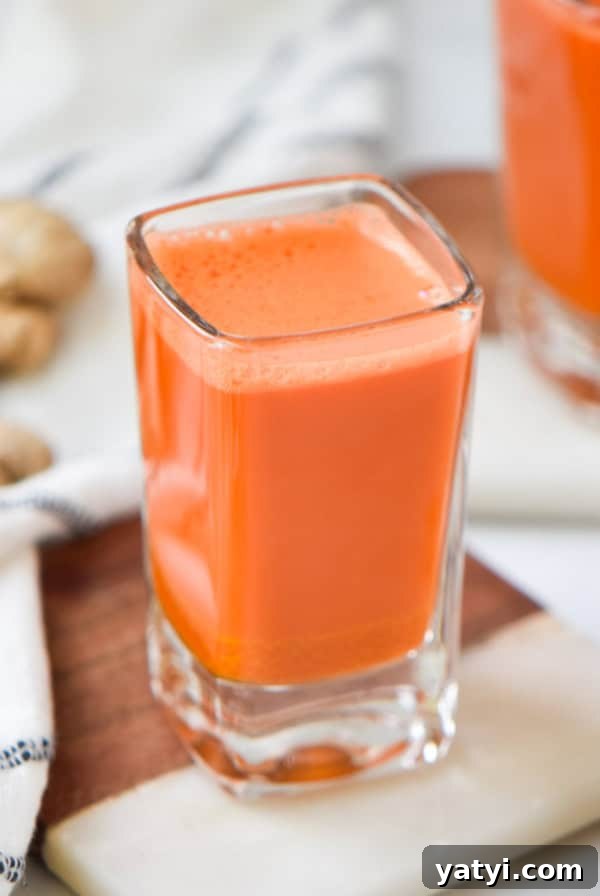
Juices
Homemade Anti-Inflammatory Wellness Shots
If you try this recipe and enjoy it, consider leaving a review. Tag @thedizzycook on social media to share your results.
How to Make Ginger Juice (Blender or Juicer)
Equipment
- Juicer (optional)
- Blender (optional)
- Fine mesh strainer
- Kitchen scale
Ingredients
With a juicer
- 1 pound fresh ginger root
With a blender
- 5 ounces fresh ginger root
- 1 cup filtered water
Instructions
With a juicer
- Scrub the ginger root and rinse until clean. Add to the juicer and press through until juice is extracted. One pound of ginger yields roughly 1/2–3/4 cup of juice.
- Store in a glass container for up to one week. Shake before serving if the juice settles.
With a blender
- Peel with the back of a spoon if desired. Add ginger and 1 cup water to a high-speed blender and blend until smooth, about 30–60 seconds.
- Strain through a fine mesh sieve into a storage container, pressing the pulp to extract all the liquid.
Notes
- Nutritional values are based on using 5 oz of ginger.
- This ginger juice is concentrated and intended to be diluted or mixed into recipes.
- Agave blends well in cold liquid; honey dissolves more easily when warmed or mixed with extra water.
- Leftover pulp can be used to make tea or added to smoothies and cooked dishes.
Nutrition
Nutrition information is an approximation.