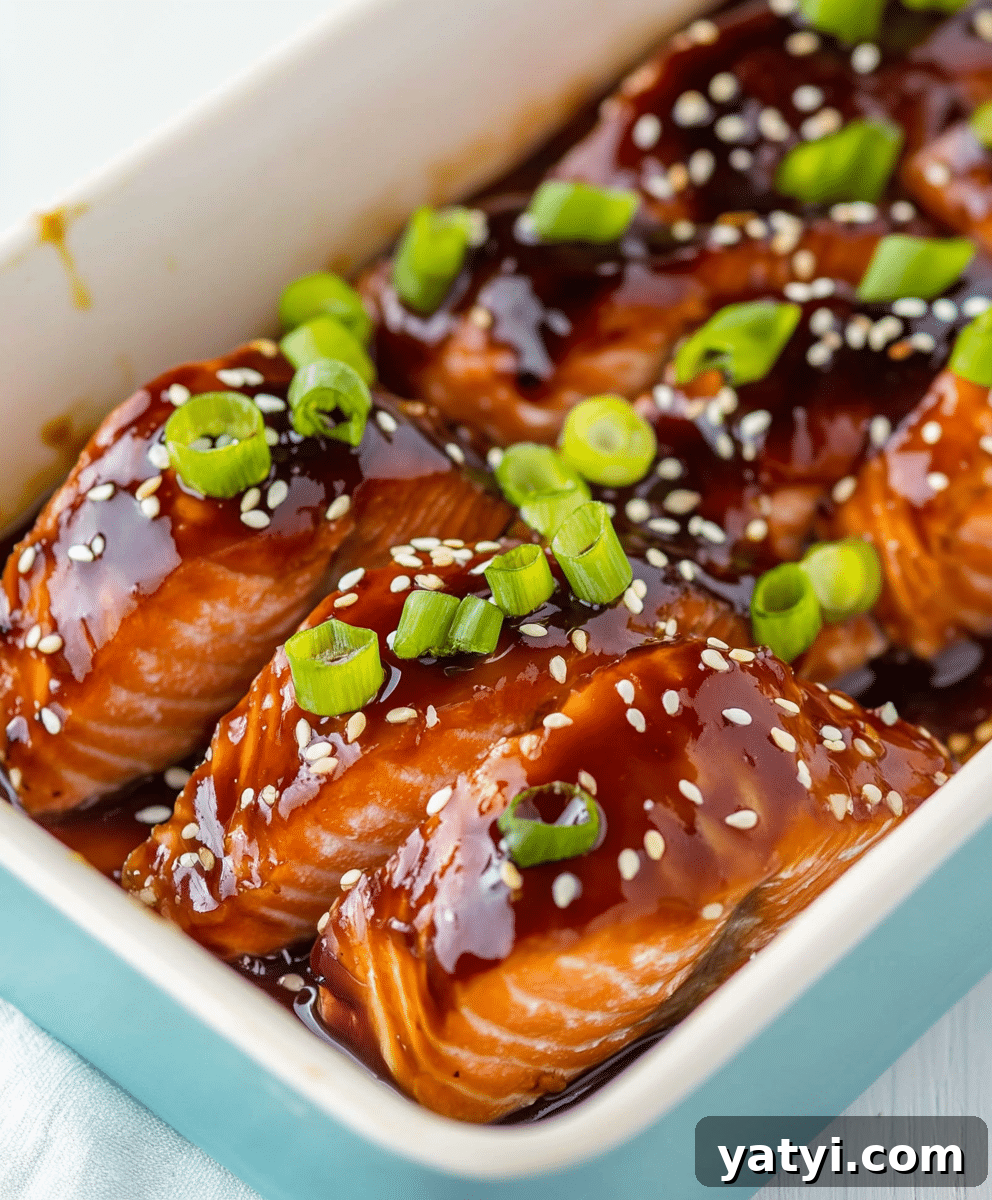
Baked salmon feels a little like magic: elegant yet simple to prepare. It works for a relaxed weeknight or a dinner that needs to impress. Tender, flaky fillets glazed with a homemade teriyaki sauce offer a perfect balance of savory, sweet, and tangy. This dish is quick, nutritious, and requires no special equipment, making it accessible whether you’re new to cooking fish or comfortable in the kitchen. Follow a few straightforward steps and you’ll have a memorable meal every time.
A little story about my first attempt at baked salmon
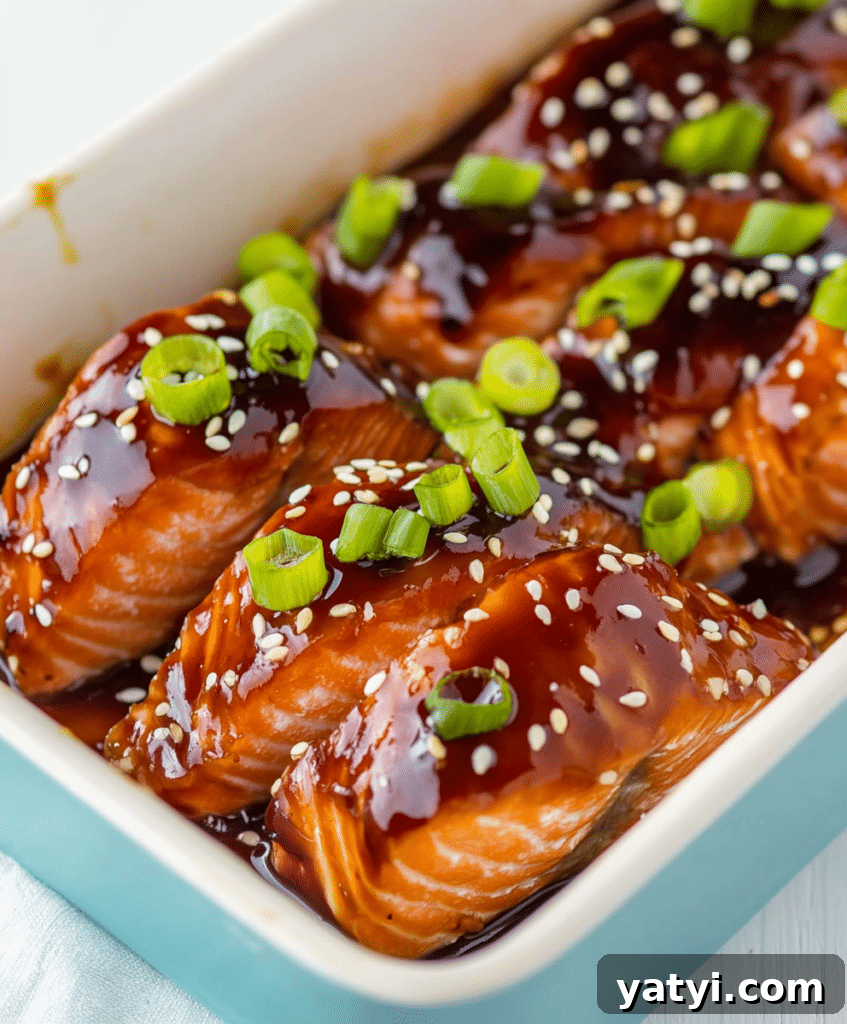
The first time I cooked baked salmon I had just moved into my own apartment and was equal parts excited and nervous. I bought fresh fillets at the market and, not knowing what to do, phoned my mom. She talked me through a simple teriyaki marinade and showed me how to grate ginger and taste the sauce until it felt right. When the salmon came out of the oven caramelized and tender, I felt proud and hooked. Now every time I make this dish I remember that warm phone call and how food can feel like comfort on a plate.
The origin story of teriyaki salmon
Baked salmon is familiar in Western kitchens, but pairing it with teriyaki gives the dish a Japanese influence. Teriyaki—literally “shine-grill”—refers to the glossy finish the sweet, savory glaze creates. The version common in North America is often adapted to Western tastes with honey or brown sugar. Combining salmon with teriyaki complements the fish’s natural richness, and over time this pairing has become a cross-cultural favorite for its straightforward flavor and wide appeal.
Let’s talk ingredients: how to get the best of everything
Fresh salmon fillets
Salmon is the star: rich in omega-3s with a buttery texture. Choose fillets that are bright in color and free of a strong fishy odor. Wild-caught salmon tends to be more flavorful, while farmed salmon is often more budget-friendly. If you can’t get salmon, trout or Arctic char make excellent substitutes.
Soy sauce
Soy sauce provides the umami backbone of the teriyaki. Use a quality soy or tamari for the best flavor.
Ginger and garlic
Fresh ginger brings a bright, zesty note while garlic adds savory depth. Fresh ingredients are worth the extra step for clearer, livelier flavors.
Brown sugar or honey
Both caramelize beautifully in the oven. Brown sugar gives a deeper, molasses-like warmth; honey offers a floral sweetness. Use whichever you prefer or have on hand.
Sesame oil
A little toasted sesame oil adds a nutty layer to the marinade—just a teaspoon goes a long way.
Green onions and sesame seeds
These finishing touches add freshness and texture. Thinly sliced green onions brighten the dish and sesame seeds give a delicate crunch.
Kitchen gear: what you need (and what you can skip)
This recipe requires minimal equipment:
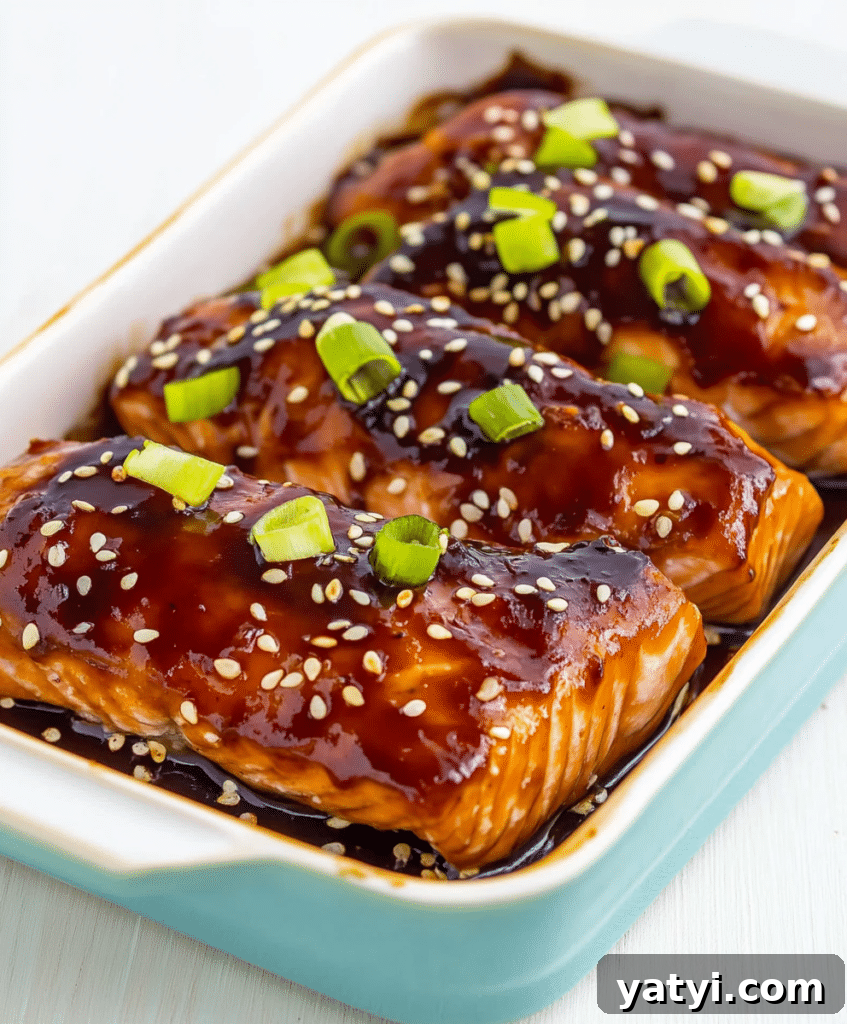
- Baking sheet or dish: Line with parchment for easy cleanup; a greased baking dish works too.
- Small saucepan: For reducing leftover marinade into a glaze.
- Sharp knife: For trimming and slicing green onions.
- Whisk or fork: To combine the marinade ingredients.
No parchment? Use foil lightly oiled so the fish doesn’t stick.
Step-by-step: My foolproof method (and a few hard-learned lessons)
- Mix the marinade.
Whisk together soy sauce, minced garlic, grated ginger, brown sugar (or honey), and sesame oil. Taste and adjust: add sweetness if it’s too salty, or a splash of soy sauce if it’s too sweet. - Marinate the salmon.
Place fillets in a shallow dish and pour the marinade over them, coating each piece. Cover and refrigerate for 30 minutes up to 2 hours—longer can overwhelm the fish. - Preheat the oven.
Set to 400°F (200°C). Line a baking sheet with parchment or grease a dish. Let the salmon sit out a few minutes so it warms slightly for even cooking. - Bake until tender.
Arrange fillets skin-side down and bake 12–15 minutes, until the flesh flakes easily with a fork. For extra shine and flavor, brush with any reduced glaze during the last few minutes of baking. - Garnish and serve.
Sprinkle sliced green onions and sesame seeds over the cooked salmon. Let it rest briefly before serving.
Variations and fun adaptations
- Vegan-friendly: Use the marinade on firm tofu or roasted cauliflower steaks—both soak up the flavors well.
- Seasonal add-ons: In summer, serve over grilled vegetables; in cooler months, pair with roasted root vegetables.
- Spicy: Add sriracha or red pepper flakes to the marinade for heat.
- Citrus twist: Add orange juice to the marinade or finish with orange zest for brightness.
How to serve this dish like a pro
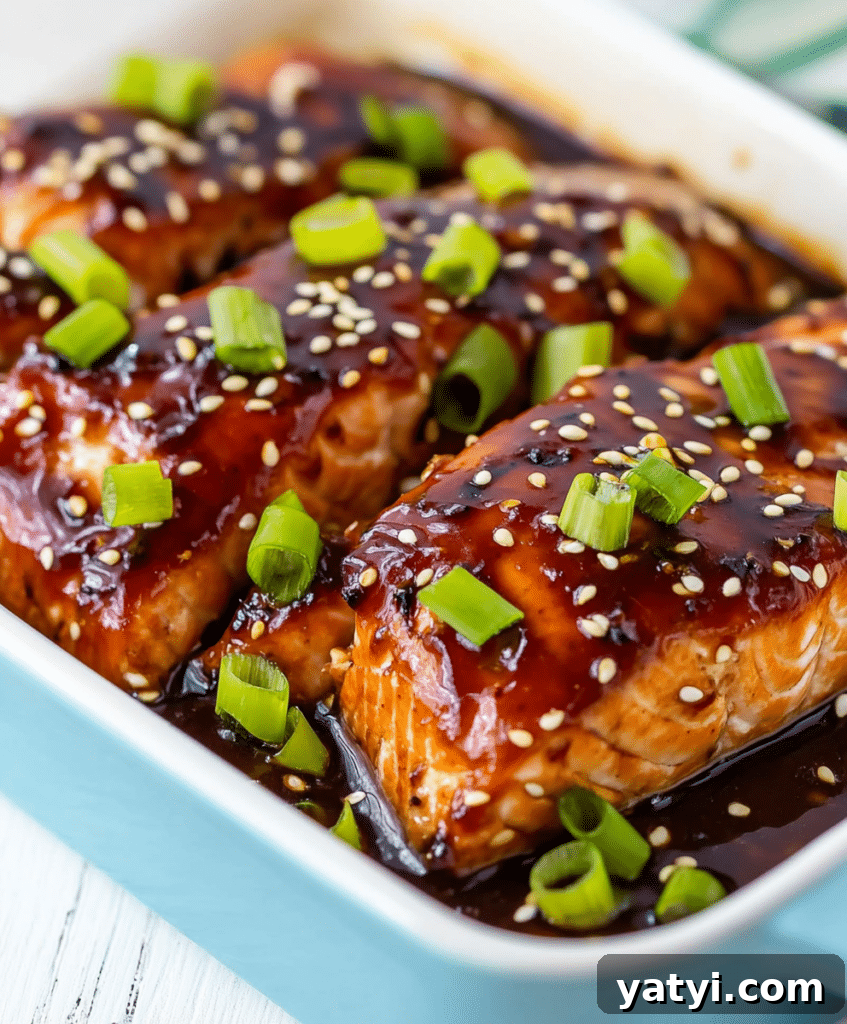
Serve the salmon over steamed jasmine rice or fluffy quinoa with a side of sautéed greens, like bok choy or spinach. Garnish with extra green onions, sesame seeds, and a drizzle of reserved glaze. For a refined presentation, plate each fillet with thin slices of lime or lemon.
Beverage pairings
- Green tea: Its subtle earthiness complements the salmon’s richness.
- Cucumber-mint water: Refreshing and palate-cleansing.
- Sparkling citrus soda: Light, fizzy, and slightly tangy.
- Iced ginger lemonade: Sweet and spicy, echoing the ginger in the glaze.
Storage and reheating tips
Store leftovers in an airtight container in the refrigerator for up to 3 days. Reheat gently in a 300°F (150°C) oven to avoid drying the fish. Cold leftovers also work well flaked over salads or in sandwiches.
Scaling the recipe up or down
Adjust salmon and marinade amounts proportionally for more or fewer servings. Larger fillets need a little more oven time; smaller pieces cook faster—watch for that flaky texture to know when it’s done.
Troubleshooting
- Too salty: Shorten marinating time or dilute the marinade slightly with water next time.
- Glaze too thick: Whisk in a little water to loosen it.
- Overcooked fish: Try baking at 375°F (190°C) and check for doneness earlier.
Give it a try!
This baked teriyaki salmon turns an ordinary evening into something special. With simple ingredients and easy steps, it’s destined to become a favorite. Grab fresh salmon, make the marinade, and enjoy—then tell someone about your success!
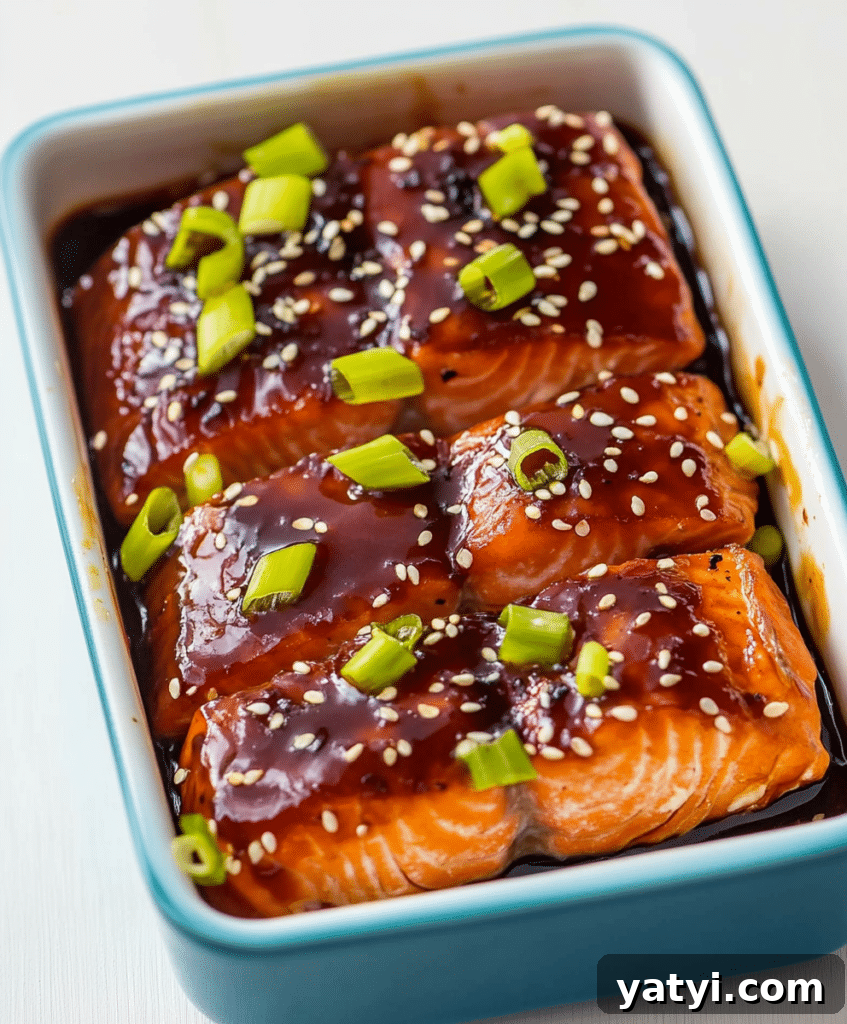
Frequently Asked Questions
1. Can I use frozen salmon?
Yes. Thaw completely in the refrigerator before marinating for best results.
2. What if I don’t have sesame oil?
Substitute a neutral oil like olive oil, though you’ll miss the toasted sesame aroma.
3. How can I tell when the salmon is done?
The flesh should flake easily with a fork and reach an internal temperature of 145°F (63°C).
4. Can I make the marinade ahead?
Yes—store it in the refrigerator for up to 3 days.
5. What’s the best side dish?
Steamed rice, roasted vegetables, or a simple green salad all pair beautifully.
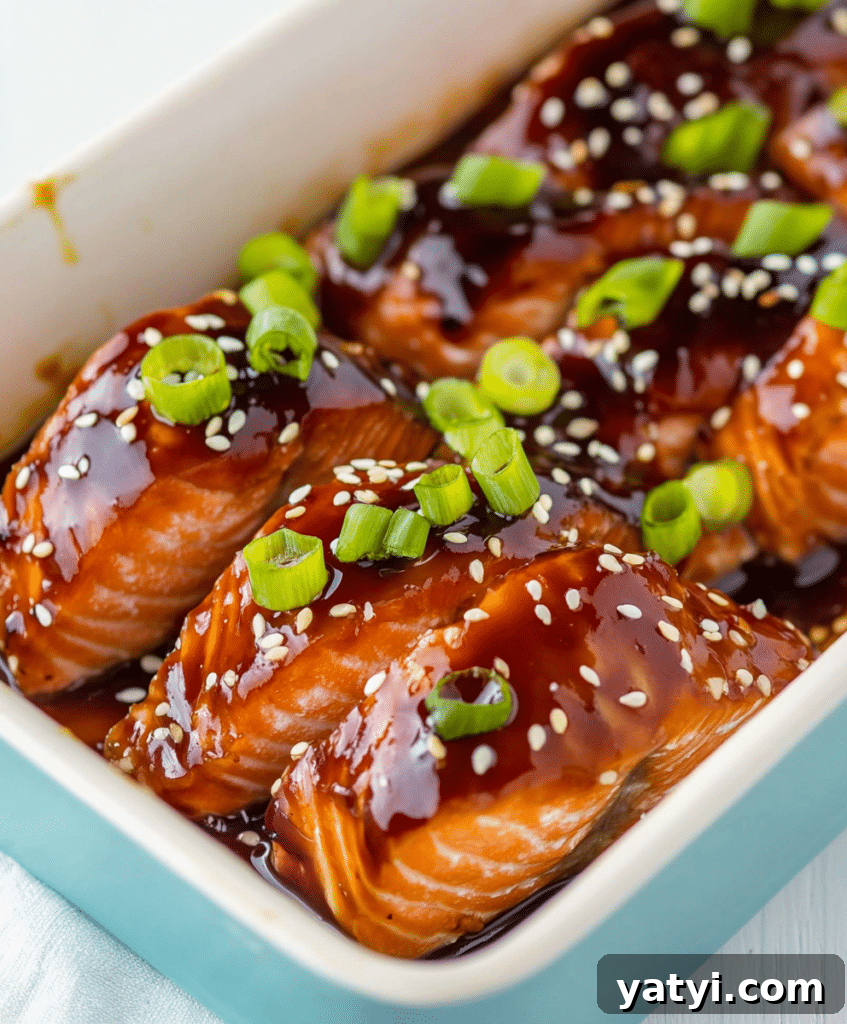
Baked Teriyaki Salmon Recipe
Easy baked salmon with a homemade teriyaki glaze—sweet, savory, and perfect for any occasion.
- Total Time: 25 minutes
- Yield: 4
Ingredients
- 4 fresh salmon fillets (about 6 oz each)
- ⅓ cup soy sauce or tamari
- 2 cloves garlic, minced
- 1 tsp fresh ginger, grated
- 2 tbsp brown sugar or honey
- 1 tsp toasted sesame oil
- 1 tbsp cornstarch mixed with 2 tbsp water (optional, for thickening)
- 2 green onions, thinly sliced, for garnish
- 1 tbsp sesame seeds (optional)
Instructions
- Make the marinade. Whisk soy sauce, garlic, ginger, brown sugar (or honey), and sesame oil in a small bowl. Taste and adjust seasoning.
- Marinate the salmon. Place fillets in a shallow dish and pour the marinade over them, coating evenly. Cover and refrigerate 30 minutes to 2 hours.
- Preheat the oven. Heat oven to 400°F (200°C). Line a baking sheet with parchment or grease a baking dish. Let the salmon warm slightly at room temperature for a few minutes before baking.
- Bake. Place fillets skin-side down and bake 12–15 minutes, until the flesh flakes easily. If you’ve simmered the leftover marinade into a glaze, brush it on during the last few minutes for extra shine.
- Garnish and serve. Sprinkle with green onions and sesame seeds. Let rest a moment, then serve.
Notes
Store leftovers in an airtight container in the fridge for up to 3 days. Reheat gently in a 300°F (150°C) oven to prevent drying, or enjoy cold flaked over salads or in sandwiches.
- Author: Soraya
- Prep Time: 10 minutes
- Cook Time: 15 minutes
- Category: Dinner