
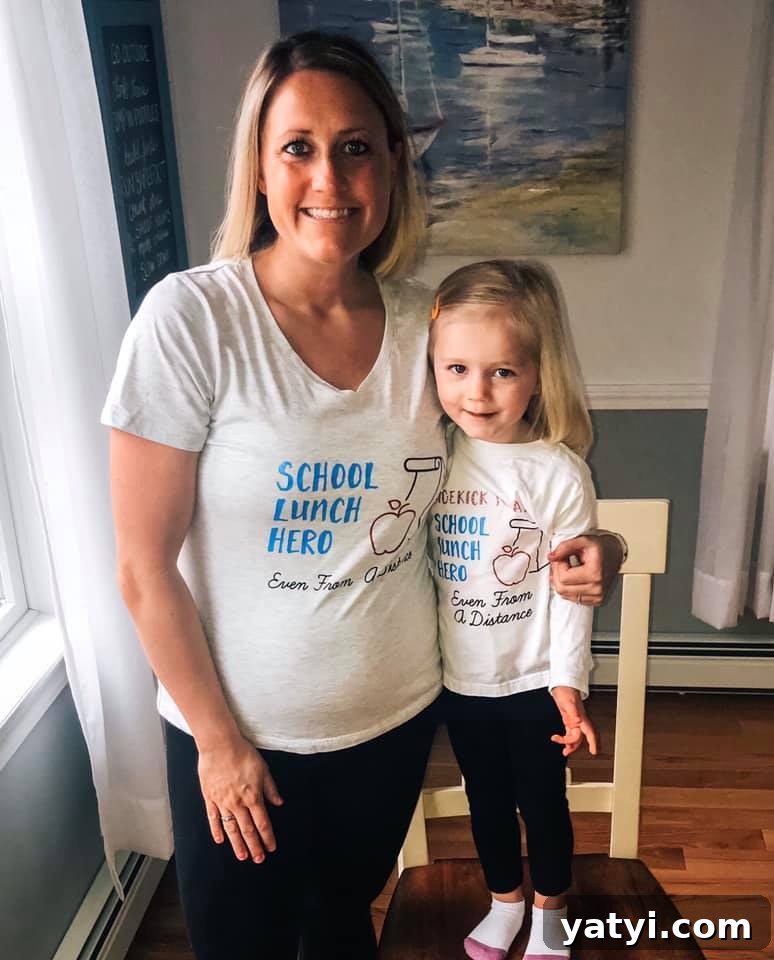
How many students do you serve a day and district size?
We are a small district with approximately 690 students. On a typical school day during a regular year we serve about 410 lunches and 250 breakfasts. Since school closures began, our operations shifted to drive-through pick-up, home delivery, and bus stop distribution across town. Currently we serve roughly 210 breakfasts and 210 lunches daily using these alternative distribution methods. This experience has been a learning curve; previously I worked in a Florida district with 42,000 students where we served roughly 25,000 lunches per day. That contrast highlights how different operations are at varying sizes and how much more specialized staffing larger districts require.
What is your most successful menu item?
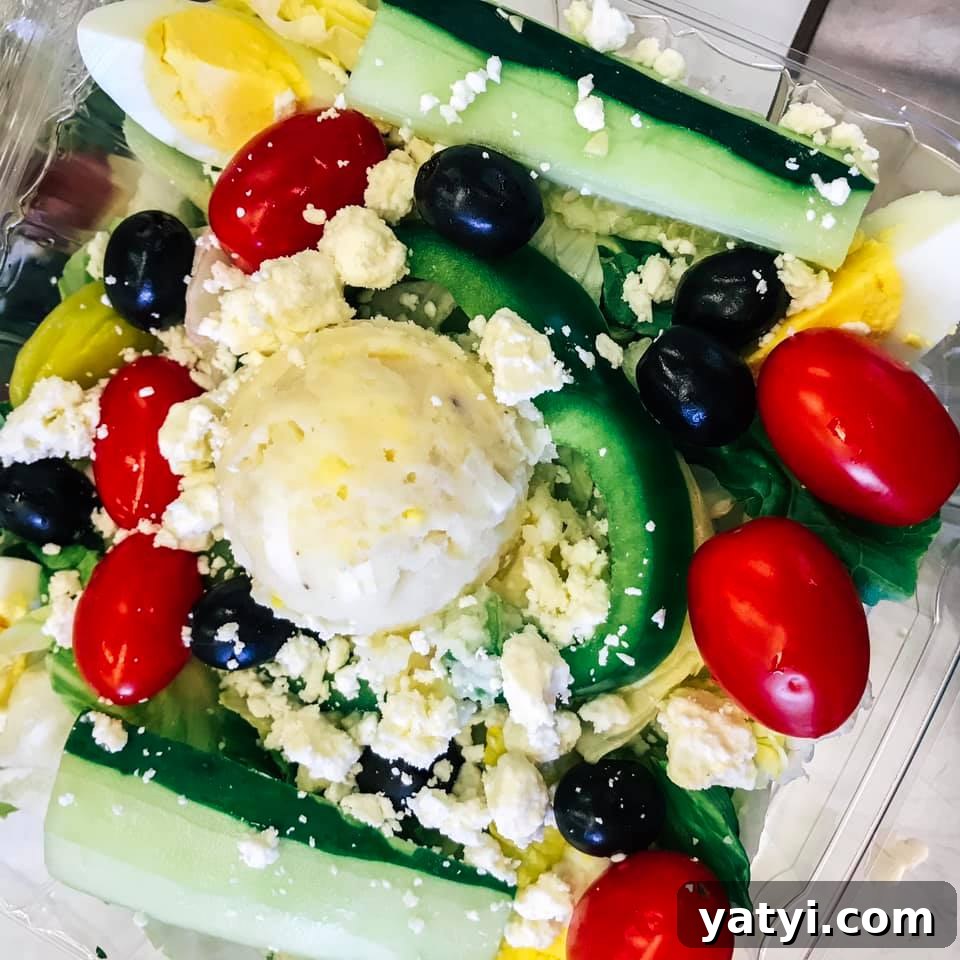
We have several popular items and I monitor participation daily to see what resonates with students and staff. Our four-week cycle menu performs steadily, without large fluctuations in participation. One consistent favorite is our daily entrée salad, which is especially popular with middle and high school students as well as teachers. As a Registered Dietitian I’m proud that our Greek Salad has become a standout—about one in four students chooses it on Thursdays, which is impressive for a salad option.
Here is the recipe for Old Orchard Beach Greek Salad:
What is your number one strategy for meal planning and delivery during emergency feeding?
Stay flexible and stay engaged. I’m naturally a Type-A planner, and the rapid changes to emergency feeding have pushed me to adapt. Flexibility is crucial—whether responding to food shortages that force menu changes or adjusting distribution methods. Our guiding principle is straightforward: make sure children are fed. With so many factors outside our control, remembering that purpose keeps our team focused.
Equally important is engagement with families, the community, and staff. We post updates to our Facebook page daily to keep families informed about schedules and meal offerings; clear communication helps maintain participation. Internally, I keep staff updated about any changes. They are working hard and show up every day, so it’s essential they know what to expect and feel supported.
What is one thing about your program that you are most proud of?
This year we launched the Fresh Fruit and Vegetable Program and it exceeded expectations. Working with our vendor’s produce buyer we introduced a variety of high-quality produce—many items were new to students and staff. Students were excited each day to see what fresh fruit or vegetable would be offered, and they often stopped staff in the hallways to ask about the snack. Teachers and parents reported that children were trying new foods and that families appreciated the exposure to different produce. That enthusiasm and willingness to try new things has been incredibly rewarding.
Favorite Kitchen Hack
One simple, time-saving tip I learned from Chef Cyndie at Produce University is an efficient way to cut lettuce. Cut the head of lettuce in half lengthwise, keeping the core intact. Take one half and make long lengthwise cuts while still preserving the core. Then cut across those long slices to create uniform, bite-sized pieces. Place the pieces in a salad spinner, wash, and you’re ready with consistent, ready-to-serve lettuce. This method saves time and creates a professional, uniform product that’s easy to serve to students.
Watch this video demonstration for the method of cutting lettuce.
Find more How to Videos at Healthy School Recipes.