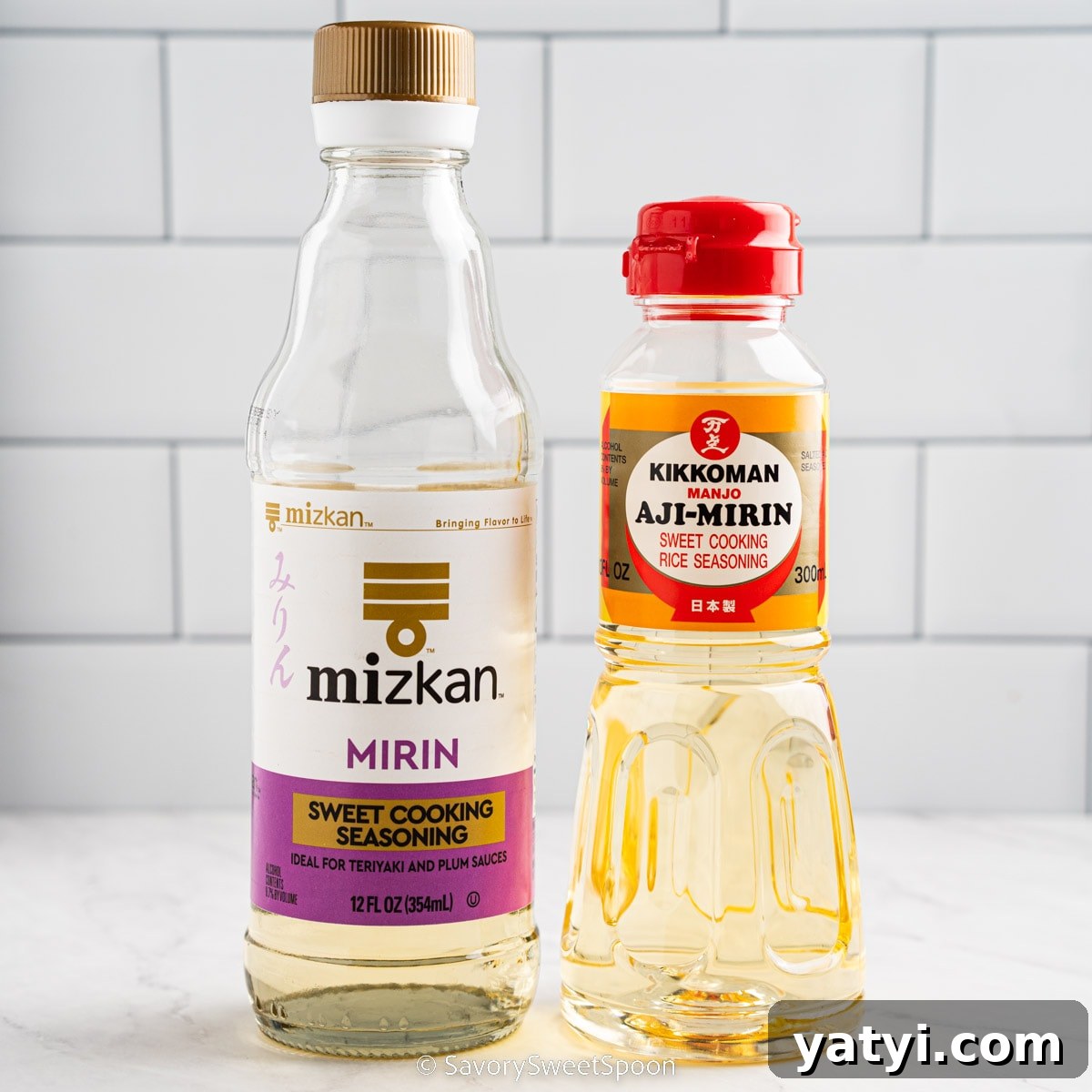
Are you searching for a mirin substitute for your cooking but don’t have this Japanese rice wine on hand? Several alternatives can reproduce mirin’s sweet, slightly tangy profile so your dishes—teriyaki, sushi rice, glazes, or stir-fries—still turn out flavorful and balanced. Below are practical substitutes, how they behave, and tips for adjusting them to match mirin’s sweetness and acidity.
What is Mirin?
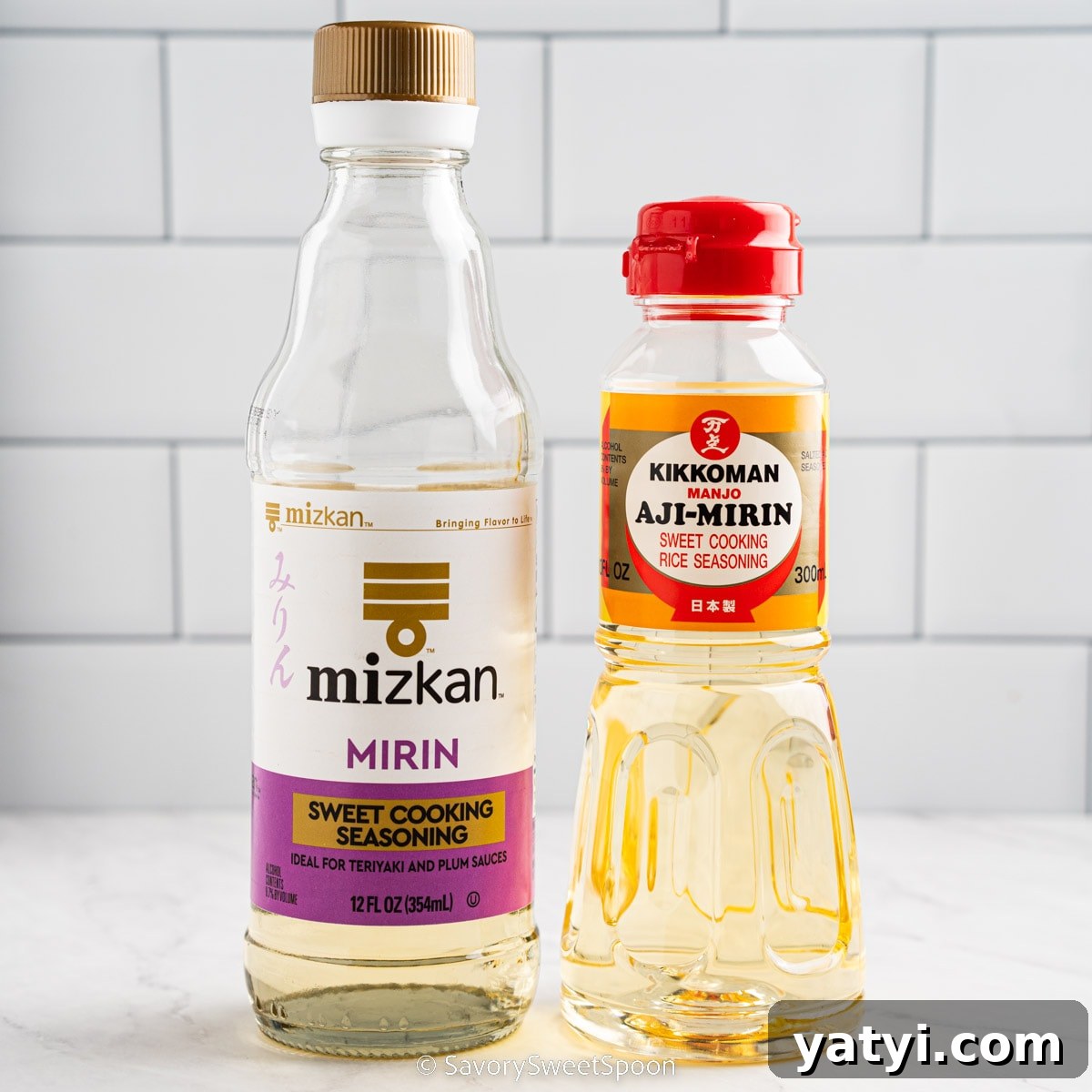
Mirin is a sweet Japanese rice wine with relatively low alcohol content, prized for adding sweetness, depth, and a glossy sheen to many Japanese dishes. Traditionally made from glutinous rice, koji (a fermentation starter), and a distilled alcohol such as shochu, mirin is commonly used in marinades, sauces, glazes, and dressings to balance savory ingredients and add a subtle umami note.
Best Substitutes for Mirin
1. Sweet Sake (Amazake)
Sweet sake, often called amazake, is a close alternative because it shares mirin’s mild sweetness and rice-forward character. Use it in a 1:1 ratio for sauces and glazes. Because amazake can be thicker, dilute slightly with water if needed to match mirin’s consistency.
2. Dry Sherry
Dry sherry brings a nutty, slightly sweet complexity that works well in cooked sauces. Substitute sherry in equal parts, and add a pinch of sugar if you want a sweeter finish similar to mirin. It’s especially good in braises, pan sauces, and marinades.
3. Rice Vinegar + Sugar
A mix of rice vinegar and sugar is one of the most reliable non-alcoholic substitutes. Combine about 1 tablespoon rice vinegar with 1 teaspoon sugar for each tablespoon of mirin you replace, then taste and adjust. This replicates mirin’s sweet-tart balance and is ideal for sushi rice, dressings, and quick glazes.
4. White Wine + Sugar
White wine—particularly a sweeter variety like Riesling or Gewürztraminer—plus sugar can mimic mirin’s acidity and sweetness. Use 1 tablespoon wine plus 1/2 to 1 teaspoon sugar per tablespoon of mirin, varying the sugar to suit your palate. This substitute suits sauces, stir-fries, and braises where a fruitier note is acceptable.
5. Pineapple Juice
Pineapple juice can be an effective non-alcoholic swap in recipes that tolerate a fruity undertone. It provides natural sweetness and acidity; start with a 1:1 substitution and reduce slightly if the pineapple flavor is too pronounced. Pineapple works well in Asian-inspired marinades and glazes but may alter delicate dishes like traditional sushi rice.
Tips for Substituting Mirin
- Adjust sweetness: Mirin is gently sweet—add sugar or honey incrementally until you reach the desired balance.
- Mind the alcohol: If you want a non-alcoholic option, use rice vinegar + sugar or fruit juices; for a closer alcoholic match, choose sweet sake or sherry.
- Reduce when needed: Mirin often contributes to a glossy finish when reduced. If using a substitute with less sugar, simmer slightly longer to concentrate and thicken the sauce.
- Flavor pairing: Consider the other flavors in your dish—pineapple adds tropical notes, while sherry adds nuttiness. Choose the substitute that complements the recipe.
FAQ
For teriyaki and stir-fries, a combination of sweet rice wine (or a mildly sweet sherry) with a small amount of sugar or honey is an excellent choice. This blend replicates the sweet and slightly tangy profile of mirin and helps the sauce glaze and caramelize properly. Start with equal parts substitute to mirin and adjust sweetness to taste.
For sushi rice, rice vinegar mixed with a small amount of sugar is the recommended substitute. A common starting ratio is about 1 tablespoon rice vinegar and 1 teaspoon sugar per cup of cooked rice; adjust to taste. This combination provides the necessary acidity and sweetness to season sushi rice without overpowering its delicate flavor.